
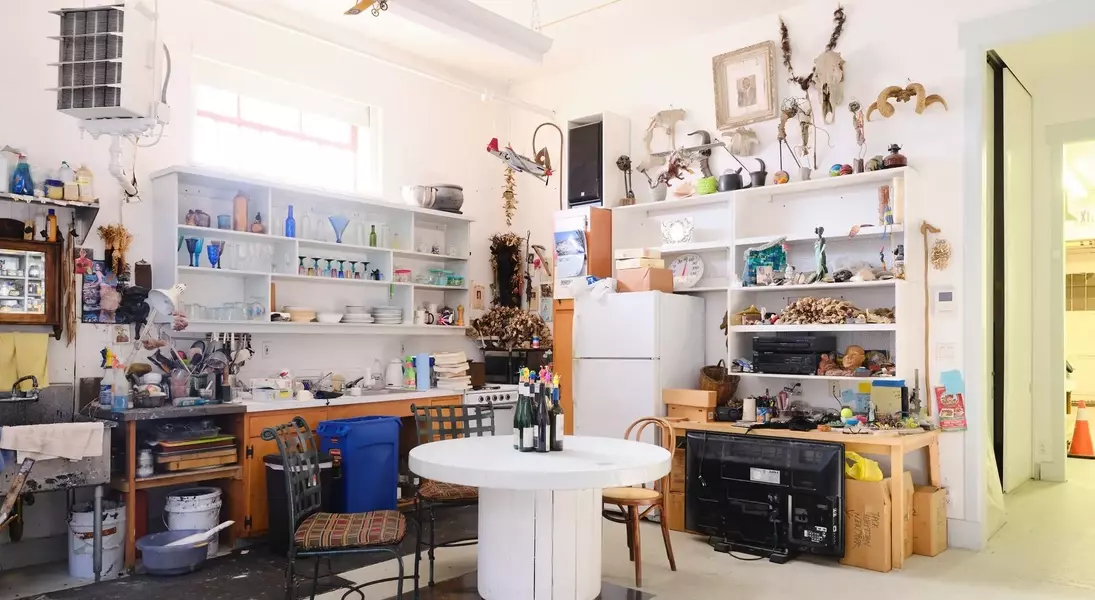
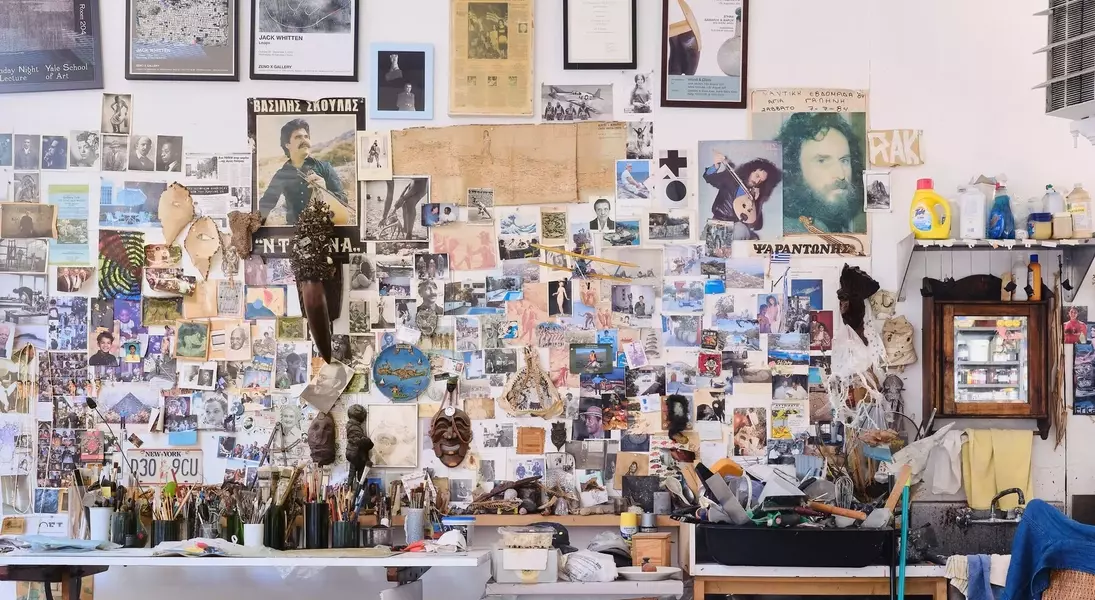
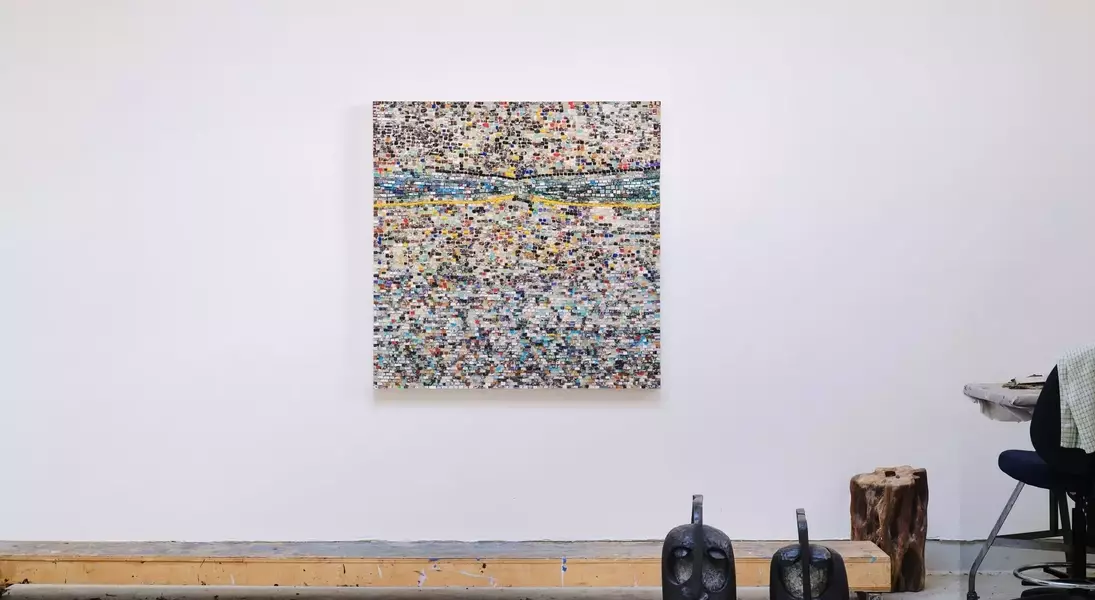


In a retrospective opening at New York’s Museum of Modern Art, the life and work of Jack Whitten come into sharp focus. Known for his pioneering abstract paintings, Whitten was one of the early artists to settle in Lower Manhattan, occupying a space that once held historical significance as part of the Underground Railroad. For four decades, he explored the boundaries of abstraction, influencing numerous artists while developing a unique style that transcended traditional categories. His studio, preserved as he left it, reveals a treasure trove of memories and artworks, including brushes, sculptures, and photographs capturing moments with friends and family. Whitten's move to Queens in 2001 marked a new chapter, culminating in his monumental work "9.11.01," which addressed the trauma of the September 11 attacks through an innovative blend of painting, sculpture, and collage.
Jack Whitten's journey began in the heart of Lower Manhattan, where he became a pivotal figure in the art scene. In 1962, while studying at Cooper Union, Whitten chose to live and work in a space on Lispenard Street, a location rich in history. This address had once been a safe house for fugitive slaves during the abolitionist movement. The building had hosted notable figures like Frederick Douglass, who stayed there briefly after escaping from Maryland. Over the years, Whitten's studio became a hub for artistic exploration and social interaction. He cultivated relationships with a wide array of influential artists and intellectuals, including Andy Warhol, Glenn Ligon, Willem de Kooning, and John Coltrane. These connections enriched his creative process and broadened his perspective on art's role in society.
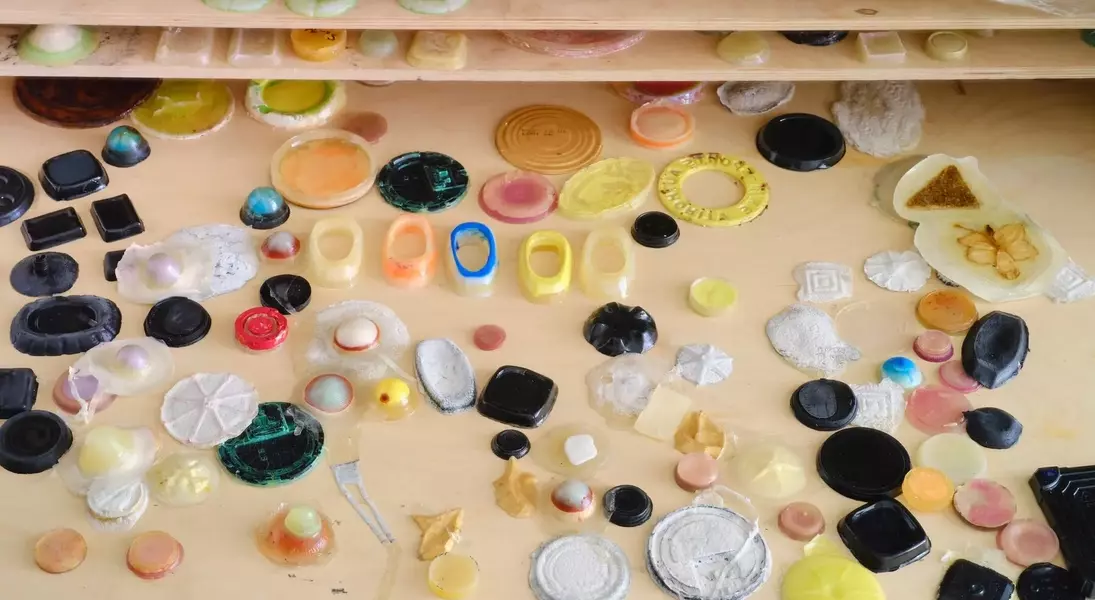
Whitten's approach to abstract painting was revolutionary. He sought to transcend conventional notions of race, gender, and nationalism, creating works that were both deeply personal and universally resonant. His paintings often incorporated unconventional materials and techniques, reflecting his belief that art should challenge established boundaries. One of his most significant pieces, "9.11.01," emerged from the profound impact of the September 11 attacks. Created over several years, this massive work stands as a poignant reflection on national tragedy and personal memory. The piece combines thousands of plaster tiles cast in acrylic paint, with textures evoking dust and smoke, symbolizing the collapse of the World Trade Center towers. Whitten embedded ash from his stove and blood from a butcher's shop into the artwork, imbuing it with layers of meaning and emotion.
The artist's relocation to Woodside, Queens, in 2001 signaled a shift in his creative trajectory. Seeking a larger space to accommodate his evolving artistic vision, Whitten found inspiration in the quiet surroundings of his new studio. Despite the challenges posed by the events of September 11, he persevered, channeling his emotions into his work. "9.11.01" became not only a tribute to the victims of the attacks but also a meditation on the fragility of human existence. Throughout his career, Whitten created elegies for various figures, from Lena Horne to Malcolm X, using abstract forms to convey complex narratives. His final years were spent refining his craft, leaving behind a legacy that continues to inspire and challenge contemporary artists.
The preservation of Whitten's studio offers a glimpse into the mind of this visionary artist. The space remains as he left it, filled with remnants of his daily life and creative process. Photographs lining the walls capture moments with friends and family, while scattered brushes and sculptures testify to his dedication to his craft. Whitten's commitment to exploring the limits of abstraction has left an indelible mark on the art world. Through his innovative use of materials and themes, he expanded the possibilities of painting, creating works that resonate with viewers on multiple levels. As the retrospective at the Museum of Modern Art attests, Jack Whitten's contributions to modern art are both enduring and transformative.
