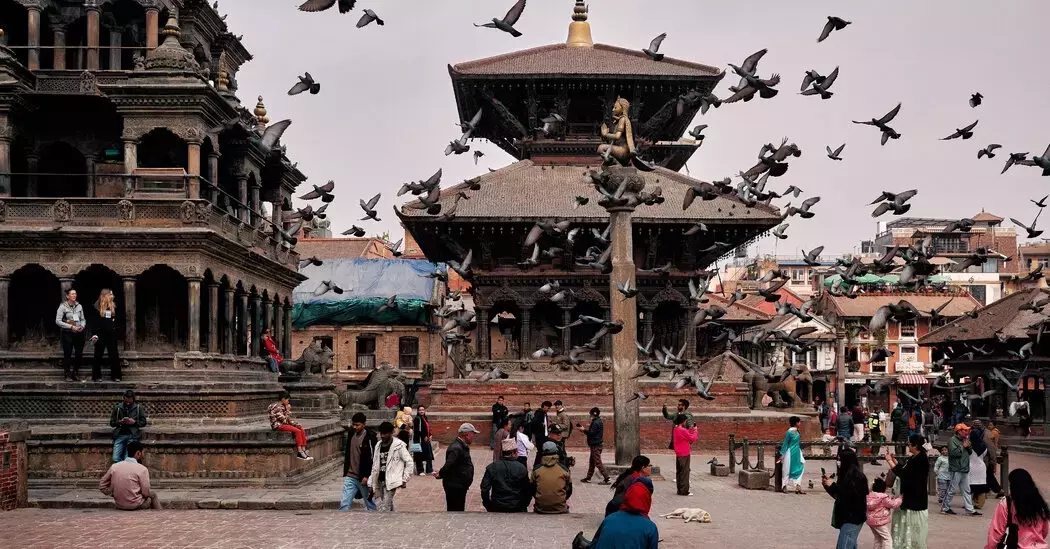
In the heart of Nepal, a day in Kathmandu unfolds as a vibrant tapestry of cultural experiences and culinary delights. From bustling markets to sacred temples, this city offers an immersive journey that captivates the senses. Visitors can explore local specialties at a lively Saturday market, stroll through lush gardens, savor authentic Tibetan dishes, witness ancient rituals, and end the day with world-class dining and cocktails. Each moment reveals the rich heritage and modern vibrancy of this unique destination.
Morning Market and Parks
On a crisp morning in Kathmandu, the Lazimpat neighborhood comes alive with the sounds and scents of a sprawling market hosted by Le Sherpa restaurant. This colorful gathering is not just a place to shop but also a social hub where locals and visitors alike converge. The market's offerings range from Himalayan peanut butter to handcrafted ceramics, creating a feast for both the eyes and the palate. Nearby, Bro Bakery tempts with freshly baked croissants, while Himalayan French Cheese provides a taste of yak cheddar. For those seeking warmth, Nana’s Delight offers chocolate bars infused with local spices.
As the morning progresses, one might find respite in the serene Garden of Dreams, a rare green oasis in the city. Built in the early 20th century, this high-walled garden transports visitors to another era with its Edwardian and neo-classical architecture. Gravel paths wind past fragrant palms, magnolias, and camelias, while fountains and pavilions offer moments of tranquility. Here, the hustle of the city fades away, replaced by the gentle rustle of leaves and the chirping of birds.
Lunch and Sacred Rituals
By midday, the Thamel district buzzes with activity, yet tucked above the fray lies Little Tibet restaurant. Its traditional decor and richly painted furnishings create an intimate atmosphere, perfect for tasting simple yet flavorful Tibetan dishes. From tender buffalo tongue slices to steamed dumplings in a savory broth, each bite tells a story of the region's culinary traditions. To fully embrace the local experience, one might sip creamy butter tea, a staple of Tibetan culture.
As afternoon approaches, Pashupatinath Temple beckons with its centuries-old stone structures and spiritual significance. Incense fills the air, bells ring, and monkeys leap between trees, creating a scene both mystical and moving. Along the Baghmati River, the sight of ritual funerals and cremations adds a profound layer to the visit. Here, tradition meets faith in a poignant reminder of life's cyclical nature.
Sunset Stroll and Evening Feast
Towards evening, Boudhanath Stupa stands as a beacon of Buddhist devotion. Its towering white dome and golden pyramid symbolize the path to enlightenment, drawing pilgrims and visitors alike. As twilight descends, the stupa's prayer wheels spin, and candles flicker, creating a mesmerizing ambiance. Surrounding shops offer a glimpse into Tibetan artistry, selling thangkas, prayer beads, and more. For panoramic views, PeeDee Beans Coffee on the rooftop provides the perfect vantage point, complete with refreshing beverages.
The day culminates in Bhaktapur, a UNESCO-listed city known for its red-brick houses and rich history. Tusa, an ambitious restaurant helmed by chefs trained in international kitchens, serves a seven-course tasting menu that showcases Nepali ingredients and techniques. From brined chicken with black lentils to molecular gastronomy-inspired desserts, each dish is a testament to innovation and tradition.
Nightcap and Reflection
As night falls, Barc cocktail lounge offers a fitting end to the day. Nestled atop the Bluestar Complex, this sultry venue features inventive cocktails crafted with local ingredients like rice liquor, chai syrup, and yak cheese. Whether sipping a smoky whiskey infusion or a tangy gin concoction, patrons are treated to flavors that reflect Nepal's diverse landscape and heritage. Reflecting on the day's experiences, one cannot help but feel a deep appreciation for the cultural richness and culinary creativity that Kathmandu embodies.
