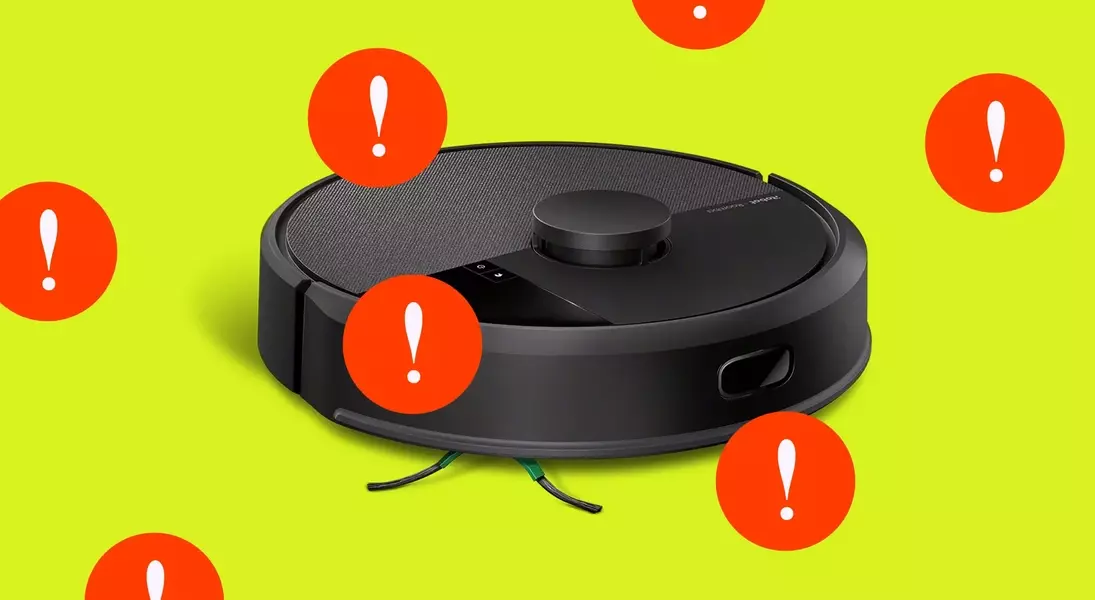
iRobot, renowned for its Roomba robot vacuums, is navigating a challenging financial period, as evidenced by its recent second-quarter earnings report. Despite efforts to revitalize its product line with new offerings, the company experienced a significant 23 percent decline in revenue compared to the previous quarter. This downturn was particularly pronounced in the lucrative markets of the United States and Europe, highlighting a broader struggle against intensifying competition.
The company's current predicament is largely attributed to increased competition from manufacturers, predominantly from China, and the dissolution of a proposed acquisition by Amazon. This failed deal left iRobot with a substantial debt burden. Earlier statements from CEO Gary Cohen indicated the critical nature of the situation, suggesting that without significant changes, the company's future beyond the next 12 months was uncertain, putting immense pressure on its operations.
In response to these challenges, Cohen acknowledged that while consumer reception to the new product range has been positive, the company did not meet its quarterly financial objectives. He cited persistent market headwinds and delays in scaling production and sales of new products as primary factors. Consequently, iRobot is actively pursuing a potential sale or other strategic alternatives to alleviate its debt and secure its long-term viability, emphasizing the urgency of finding a resolution.
The challenges faced by iRobot underscore the dynamic and competitive nature of the technology market. Companies must continuously innovate and adapt to shifting landscapes, embracing resilience and strategic foresight to overcome obstacles and forge a path toward sustained success and growth.
