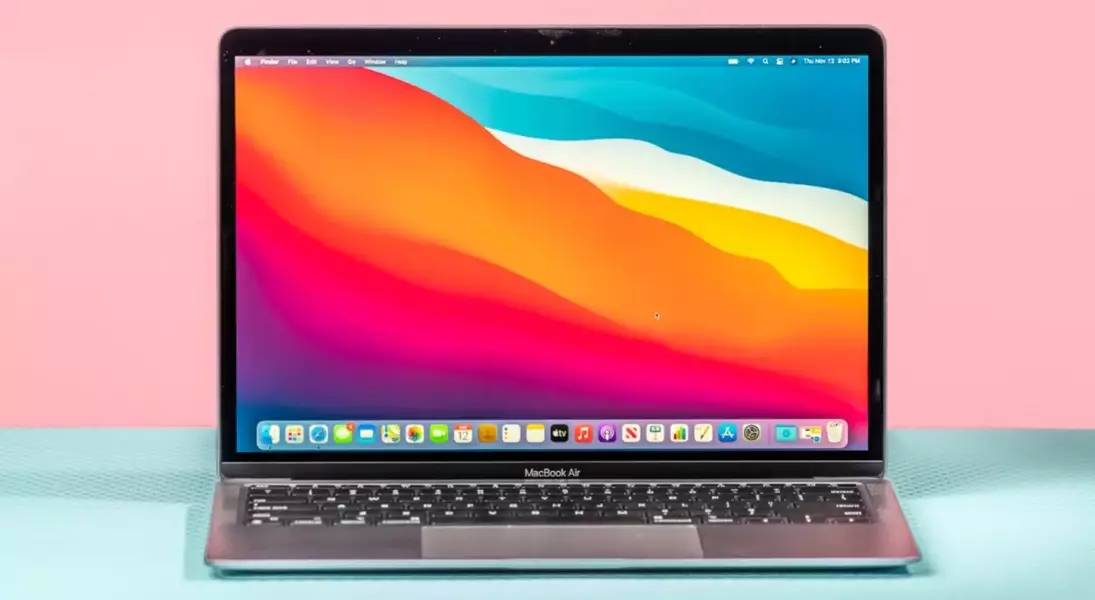
Recent speculation indicates Apple is poised to introduce a new, more budget-friendly MacBook model, potentially disrupting the laptop market. This anticipated device is expected to be priced significantly lower than current offerings, broadening Apple's appeal to a wider consumer base. If these reports hold true, the technological landscape could witness a notable shift, making high-quality computing more accessible to a larger audience.
Anticipated Launch of an Economical Apple Laptop
In the summer of 2025, whispers from tech analysts and industry sources, particularly a report from the Taiwanese tech publication DigiTimes, suggest that Apple is on the verge of unveiling a more economical MacBook. This forthcoming laptop is projected to carry a price tag ranging from $599 to $699. Such a pricing strategy would position it as an exceptionally competitive option, potentially being 40% more affordable than the current M4 MacBook Air. It also aligns closely with the cost of the M1 MacBook Air from late 2020, which has recently been available at a comparable $599 at major retailers like Walmart.
Further details from DigiTimes hint that this cost-effective MacBook might feature a 12.9-inch display, a fraction smaller than the 13-inch screen found on the M4 MacBook Air. Adding to the intrigue, analyst Ming-Chi Kuo previously indicated in June that this new MacBook could be equipped with the Apple A18 Pro chip, the very same processor powering the iPhone 16 Pro and Max models. This would represent a groundbreaking development, marking the first time an iPhone chip is utilized in a MacBook. Kuo also speculated on a vibrant color palette for the device, including classic silver, alongside more expressive blue, pink, and yellow options.
The timeline for mass production is tentatively set for late Q4 2025 or early Q1 2026, which would place its release slightly ahead of the rumored M5 and M6 MacBooks. Should these predictions materialize, the upcoming year promises to be a pivotal one for enthusiasts of Apple's innovative computing devices, offering compelling new choices in the laptop arena.
From a journalist's vantage point, this potential shift by Apple towards a more affordable MacBook is a fascinating development. It signifies a strategic move to capture a larger segment of the market, particularly those who might have previously found Apple's premium pricing a barrier. Introducing an iPhone-powered MacBook could also blur the lines between mobile and desktop computing, potentially leading to new user experiences and software optimizations. This initiative reflects a growing trend in the tech industry to make advanced technology more ubiquitous, challenging traditional market segments and fostering greater innovation. It will be compelling to observe how this move influences consumer adoption and the competitive landscape in the personal computing sector.
