This analysis examines American Express and Coca-Cola, both significant components of Berkshire Hathaway's public equity investments. The discussion highlights their unique business strategies, historical stock performance, and methods of distributing earnings to shareholders. Ultimately, the choice between these two blue-chip companies depends on an investor's preference for growth versus stable dividend income.
Detailed Report: American Express and Coca-Cola as Investment Opportunities
As of October 19, 2025, American Express and Coca-Cola remain pivotal long-term investments within Warren Buffett's Berkshire Hathaway portfolio. These companies, holding substantial positions as Berkshire's second and fourth largest holdings respectively (excluding Apple), present compelling yet distinct investment profiles for the discerning investor.
American Express, renowned for its integrated model as both a card issuer and payment processor, has demonstrated robust growth over the last decade, with a total return of 228%, significantly outperforming Coca-Cola's 55% and the S&P 500's 106%. This strong performance is attributed to its effective risk management and a loyal customer base of affluent consumers and businesses, who are drawn to generous rewards despite higher annual fees. American Express strategically invests heavily in cardholder benefits, offsetting these costs with merchant transaction fees. The company's commitment to shareholder returns is evident in its dividend policy, having roughly doubled its payout in the last five years, including a notable 17% increase in March.
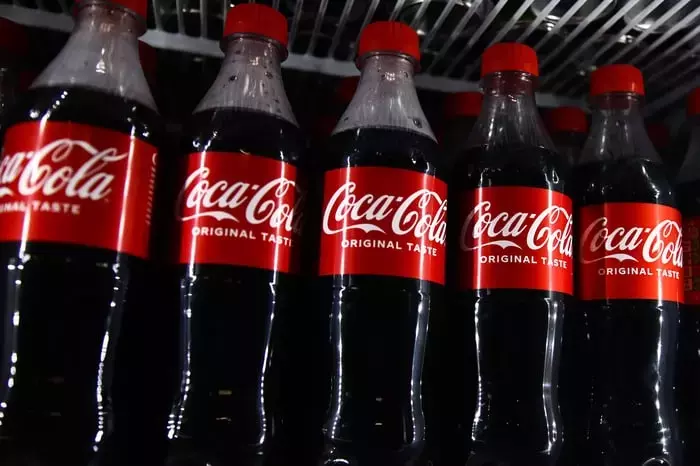
Conversely, Coca-Cola, a venerable Dividend King with 63 consecutive years of dividend increases, appeals strongly to passive income-focused investors. Despite a more modest stock price appreciation (35% over the last decade excluding dividends), Coca-Cola's business model, particularly its extensive network of bottling partners, offers resilience against economic fluctuations and changing consumer preferences. The company has skillfully adapted its product portfolio beyond traditional sodas to include healthier options like zero-sugar beverages, coffee, tea, and sparkling water, aiming to cater to evolving wellness trends. Its dividend yield of 3.1% far surpasses American Express's 1%, making it a preferred choice for income-seeking investors.
Both companies also engage in stock buybacks, a strategy favored by Buffett, which enhances shareholder value by reducing outstanding shares and boosting earnings per share, effectively increasing Berkshire Hathaway's ownership stake without additional purchases.
Investment Insights: Navigating Growth and Income with Blue-Chip Stocks
This comparison of American Express and Coca-Cola offers valuable insights for investors. It underscores that even within a diversified portfolio like Berkshire Hathaway's, different companies serve distinct strategic purposes. American Express exemplifies a growth-oriented blue-chip, benefiting from its unique business model and ability to attract high-value customers. Its strong performance during economic expansion, driven by consumer spending, makes it attractive for those prioritizing capital appreciation.
On the other hand, Coca-Cola represents stability and consistent income generation. Its long history of dividend increases and its adaptable business model, despite slower growth, provide a defensive investment that can weather consumer spending pullbacks. This highlights the importance of aligning investment choices with personal financial goals: aggressive growth versus reliable income. Both demonstrate how well-managed companies can evolve and sustain their market positions, albeit through different mechanisms, offering long-term value to patient investors.
