
This compilation delves into critical economic discussions, highlighting the financial impact of cognitive decline, the complexities surrounding major corporate consolidations, and the strategic shifts in global trade. Furthermore, it examines the emerging role of artificial intelligence, particularly from China, in potentially reshaping economic disparities on a worldwide scale by fostering competitive markets.
A recent study sheds light on the often-overlooked financial fragility linked to dementia. Research indicates that a person's financial well-being can begin to deteriorate as early as six years before an official dementia diagnosis. This early decline is particularly challenging to identify, partly because financial advisors, who might be the first to notice, are often hesitant to raise concerns without concrete proof, fearing misjudgment. This situation underscores a critical gap in safeguarding the assets of individuals susceptible to cognitive impairments, necessitating more proactive and sensitive approaches within the financial advisory sector.
In parallel, the business world is currently observing a significant legal battle initiated by individual subscribers against the proposed merger of two colossal media entities, Paramount Skydance and Warner Bros. Discovery. The plaintiffs are challenging this consolidation citing concerns over potential price hikes for subscription services and broader antitrust implications. This lawsuit exemplifies how individual consumers, when organized, can challenge corporate giants and influence major business decisions, underscoring the power of collective action in maintaining market fairness and consumer protection. The legal strategy employed involves using a few representative plaintiffs to act on behalf of a larger consumer base, aiming to prevent a merger that could further concentrate market power.
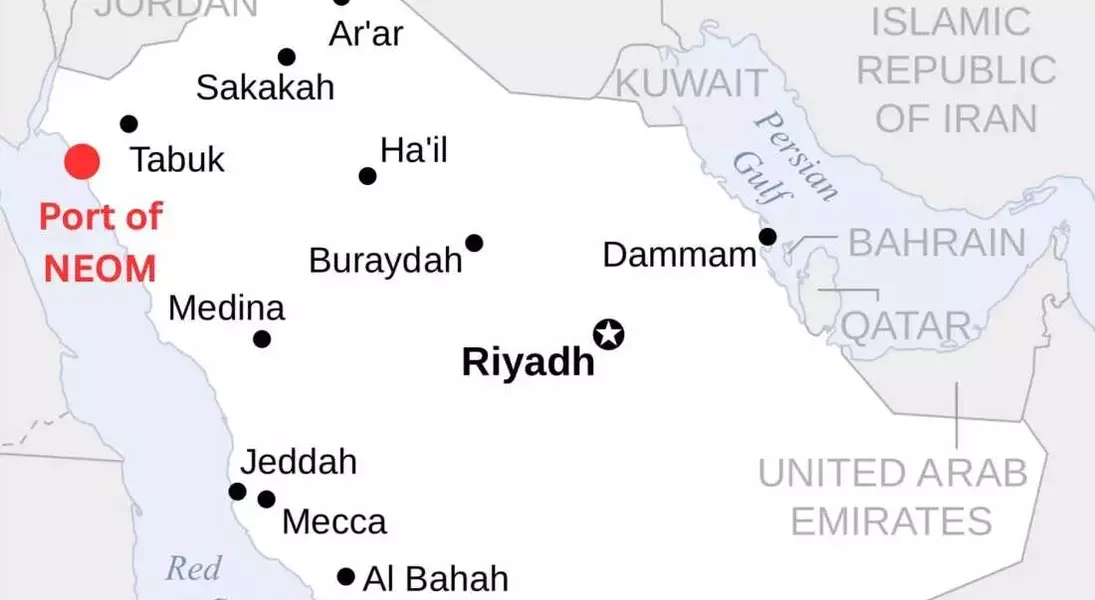
Shifting focus to international trade, Saudi Arabia is actively promoting its NEOM port on the Red Sea as a viable alternative to the Strait of Hormuz, a crucial yet volatile choke point for global oil shipments. This strategic pivot aims to enhance the security and efficiency of trade routes, particularly for goods flowing between the Gulf region, Europe, and Africa. While the NEOM port is not designed for oil transport, the increased oil exports from Saudi Arabia's Yanbu port, facilitated by an east-west pipeline, illustrate a broader trend towards diversifying and securing global energy supply chains. This development highlights ongoing efforts to mitigate geopolitical risks associated with traditional shipping lanes, though a comprehensive solution for global oil transit would require a more fundamental overhaul of existing infrastructure and trade practices.
The discussion also pivots to the transformative potential of Chinese artificial intelligence. Following the introduction of models like DeepSeek, Chinese AI has garnered significant attention, not only for its technological advancements but also for its competitive pricing and reliance on open-source large language models. This has led to speculation that increased competition from Chinese AI could democratize access to advanced technologies, potentially reducing economic inequality globally. The argument posits that as more companies offer similar AI products, the overall cost decreases, benefiting a wider array of consumers and businesses. This perspective challenges the common apprehension that AI will inevitably exacerbate wealth disparities, suggesting that a competitive market environment could instead foster greater economic balance. However, critics note that a competitive landscape in technology doesn't always prevent the rise of trillion-dollar corporations, indicating that the impact of AI on inequality remains a complex and evolving issue.
These developments collectively paint a picture of an intricate global economic landscape, where challenges like financial exploitation of vulnerable populations and corporate monopolies are met with innovative solutions in technology and strategic shifts in international commerce. The discussions around AI and trade routes emphasize a global move towards resilience and equity, even as traditional economic structures face profound transformations.
