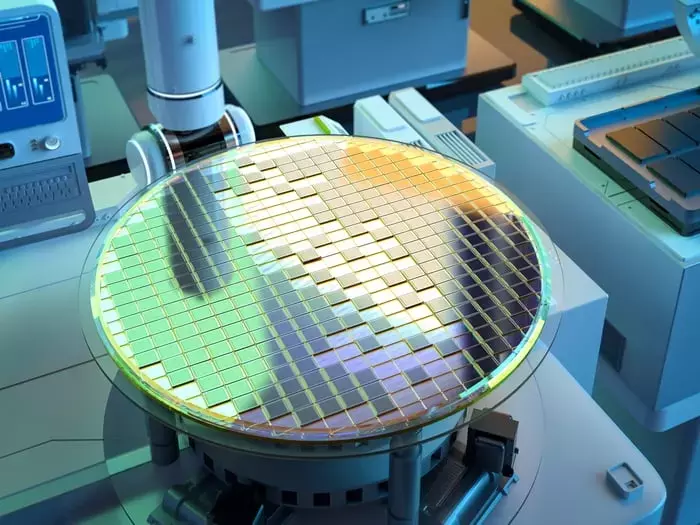
Intel is implementing substantial management changes and forming a specialized Central Engineering Group to spearhead a new custom silicon venture. This strategic reorientation is critical for the company's revival, enabling it to tap into the surging market for bespoke chip solutions, particularly in the artificial intelligence and data center sectors. By focusing on designing custom chips for external clients, Intel aims to leverage its advanced manufacturing facilities, known as foundries, to secure new revenue streams and strengthen its competitive edge. This move signifies a proactive approach to address declining market share in its traditional CPU segments and positions Intel to become a key player in the custom chip design and manufacturing ecosystem. The initiative reflects a broader industry trend where companies increasingly seek tailored silicon solutions to optimize performance and efficiency for specific workloads.
Historically, Intel's business model revolved around its proprietary processors. However, the rise of specialized computing, driven by AI and cloud technologies, has shifted market demands towards custom-designed chips. This new direction allows Intel to re-engage with a diverse customer base, including hyperscale cloud providers and technology innovators, who are developing their own unique silicon. The custom silicon business is expected to not only attract new design projects but also funnel manufacturing opportunities to Intel's foundry services, thereby maximizing the utilization of its advanced fabrication plants. This adaptive strategy is crucial for Intel to regain its footing in the rapidly evolving semiconductor industry and solidify its long-term growth prospects by aligning with the future of chip development.
Intel's Strategic Reorganization and the Dawn of Custom Silicon
Intel, a titan in the semiconductor industry, is undergoing a significant strategic overhaul, marked by a series of leadership adjustments and the establishment of a novel Central Engineering Group. This new division is specifically tasked with developing custom silicon solutions for external clientele, a move aimed at revitalizing the company's market presence. Under the guidance of CEO Lip-Bu Tan, this initiative seeks to leverage the burgeoning demand for specialized chips, particularly those catering to artificial intelligence workloads and advanced data center requirements. This shift from primarily producing in-house standard products to offering bespoke design and manufacturing services represents a fundamental change in Intel's business approach, signaling a strong commitment to adaptability and growth in a highly dynamic technology landscape.
The formation of the Central Engineering Group underscores Intel's ambition to become a leading provider of custom chip solutions. This unit will be instrumental in collaborating with various external customers, helping them design and optimize chips tailored to their unique specifications. This capability is especially pertinent given the increasing trend among major tech companies to develop their own specialized silicon to gain competitive advantages and enhance operational efficiency. By aligning its services with this market demand, Intel not only aims to attract new business but also to channel these custom design projects into its state-of-the-art manufacturing facilities. This integration of design and fabrication services is crucial for reinforcing Intel's position in the global semiconductor supply chain and maximizing the returns from its substantial investments in foundry technology.
Expanding Horizons: Why Custom Chip Design is Crucial for Intel's Future
The decision to prioritize custom silicon stems from a recognition of shifting industry dynamics, where the proliferation of AI and cloud computing has dramatically altered the demand for traditional processors. Data centers, once dominated by standard CPUs, now increasingly rely on specialized accelerators and processors, many of which are custom-designed by large technology firms. This trend, exemplified by companies like OpenAI, Microsoft, Amazon, and Alphabet developing their own chips, highlights a critical need for flexible and tailored silicon solutions. By offering expertise in custom chip design, Intel aims to become an indispensable partner for these innovators, helping them achieve optimal performance and cost efficiency for their specific applications.
Intel's foray into custom silicon design is not merely about adapting to current trends but also about securing its long-term viability and growth. This strategy extends beyond the data center, with potential applications in diverse sectors such as smartphones, where Arm-based custom chips are prevalent, and next-generation gaming consoles. The success of rivals like AMD in the semi-custom chip market for gaming consoles serves as a testament to the lucrative opportunities in this space. By actively pursuing custom chip orders, Intel can mitigate its reliance on general-purpose CPU sales, which have faced increased competition, and instead capitalize on the high-value, high-growth segments of the semiconductor market. This strategic pivot is expected to be a cornerstone of Intel's efforts to return to sustained profitability and reclaim its leadership in the global technology arena.
