
The integration of artificial intelligence (AI) has significantly reshaped the global business environment in recent years. This technological revolution has spurred a surge in investor interest, as companies at the forefront of AI development present compelling new avenues for growth. While many tech firms are now involved with AI, not all offer the same level of long-term investment appeal. This analysis focuses on three key players—Taiwan Semiconductor Manufacturing (TSMC), Alphabet (Google's parent company), and Microsoft—that are exceptionally well-positioned to capitalize on AI's expansion. These entities are not only central to the AI pipeline but also possess well-established business models, making them robust choices for sustained investment. Their foundational contributions and strategic integrations within the AI domain solidify their standing as valuable long-term holdings.
These companies offer more than just exposure to the burgeoning AI market; they represent pillars within the technology sector whose existing strengths are amplified by AI. TSMC's near-monopoly in advanced AI chip manufacturing, Alphabet's pivotal role in AI research and cloud infrastructure, and Microsoft's extensive enterprise software ecosystem, enhanced by AI integration, underscore their critical importance. Their proven track records and strategic advantages in a rapidly evolving technological landscape suggest continued success. For investors looking beyond short-term gains and seeking enduring value, these three companies exemplify the kind of fundamental strength and innovative capacity that can drive substantial returns over the long haul, making them worthy considerations for any investment portfolio focused on the future of technology.
Pillars of AI: Manufacturing and Cloud Dominance
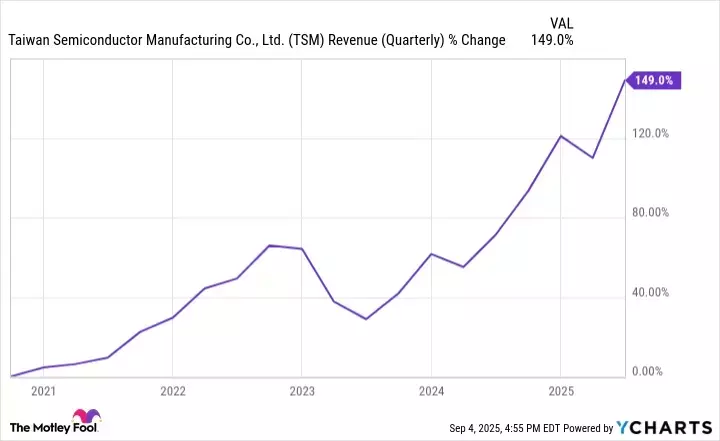
Taiwan Semiconductor Manufacturing Company (TSMC) is a critical enabler of the artificial intelligence revolution, despite not being a direct AI service provider. As a leading semiconductor foundry, TSMC manufactures a vast array of chips, including the high-performance Graphics Processing Units (GPUs) essential for training complex AI models. The company commands approximately 70% of the global foundry market, and its dominance in advanced AI chips is virtually unchallenged, making it an indispensable component of the AI supply chain. This strategic position is clearly reflected in its financial performance, with its high-performance computing (HPC) segment, largely driven by AI demand, contributing 60% of its total revenue in the second quarter. The burgeoning demand for AI is expected to double TSMC's AI-related revenue this year, highlighting its pivotal role in enabling companies like Nvidia and Advanced Micro Devices to scale their AI chip production. Beyond AI, TSMC's unparalleled effectiveness and scale within the tech ecosystem ensure its enduring success, irrespective of its direct involvement in AI software or services.
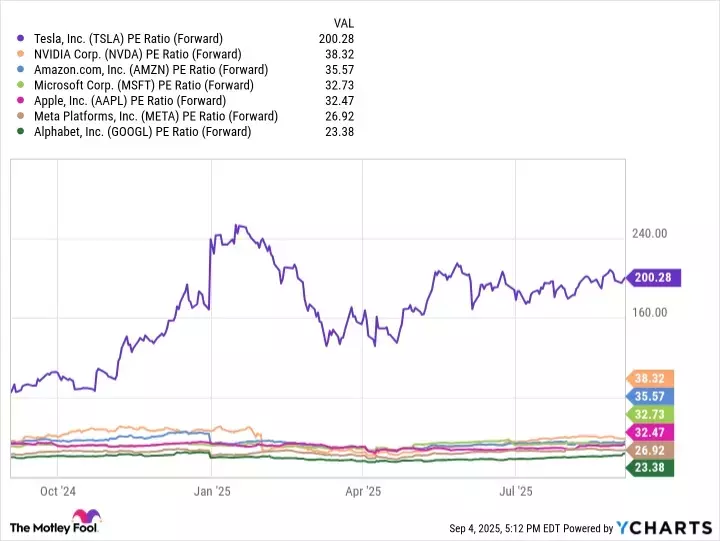
Alphabet, the parent company of Google, plays a significant role in the artificial intelligence ecosystem, particularly in AI research and development. Alphabet's contributions have been instrumental in advancing AI technology to its current sophisticated state. Its Google Cloud platform is a cornerstone of this effort, demonstrating impressive growth with a 32% year-over-year revenue increase to $13.6 billion in the second quarter, making it Alphabet's leading segment. This robust internal cloud infrastructure empowers Alphabet to effectively develop and deploy its own AI models at scale. Furthermore, Google Cloud extends its services externally, exemplified by a substantial six-year, $10 billion deal with Meta Platforms, which positions Google Cloud as Meta's primary AI infrastructure provider. This partnership underscores the industry's trust in Alphabet's AI capabilities, even among its major competitors. From a financial perspective, Alphabet's stock appears to be attractively valued, trading at a forward price-to-earnings ratio of 23.4 times, which is notably lower than its "Magnificent Seven" peers. This favorable valuation, combined with its integral role in AI, suggests strong potential for long-term investors.
Enterprise Software and Strategic AI Integration
Microsoft stands out as a diversified technology giant with a significant footprint across numerous industries, consistently holding a top-tier position in each. Its cloud platform, Azure, mirrors Alphabet's Google Cloud in its capacity to serve as a fundamental component of AI infrastructure. Microsoft's strategic, long-term partnership with OpenAI, the creator of ChatGPT, provides it with direct and early access to cutting-edge AI technologies. This distinct advantage allows Microsoft to seamlessly integrate advanced AI capabilities into its vast portfolio of products and services. From its ubiquitous Office suite (including Excel, PowerPoint, and Teams) and Windows operating systems to development platforms like GitHub, Microsoft's comprehensive ecosystem is poised for enhanced efficiency and value through AI integration.
Microsoft's established dominance in enterprise software is expected to be further solidified by its proactive adoption of AI. The company's focus on serving corporate clients is a key strength, as these customers typically offer higher spending, longer contract durations, and greater resilience to economic fluctuations. This strategic client base, combined with Microsoft's continuous innovation in AI, ensures its status as a foundational element for businesses worldwide. For investors seeking a robust and reliable long-term holding within the technology sector, Microsoft represents a compelling choice due to its multifaceted strengths, strategic AI partnerships, and entrenched position in critical enterprise operations. Its ability to consistently deliver top-tier performance across diverse technological domains makes it a standout option for enduring investment.
