Intel's anticipated G31 graphics processing unit, also recognized as the potential Arc B770, maintains its persistent presence in industry discussions despite its non-appearance at the recent Consumer Electronics Show. Fresh indications of its existence have emerged within an Intel Panther Lake driver package, fueling ongoing speculation and cautious optimism among tech enthusiasts.
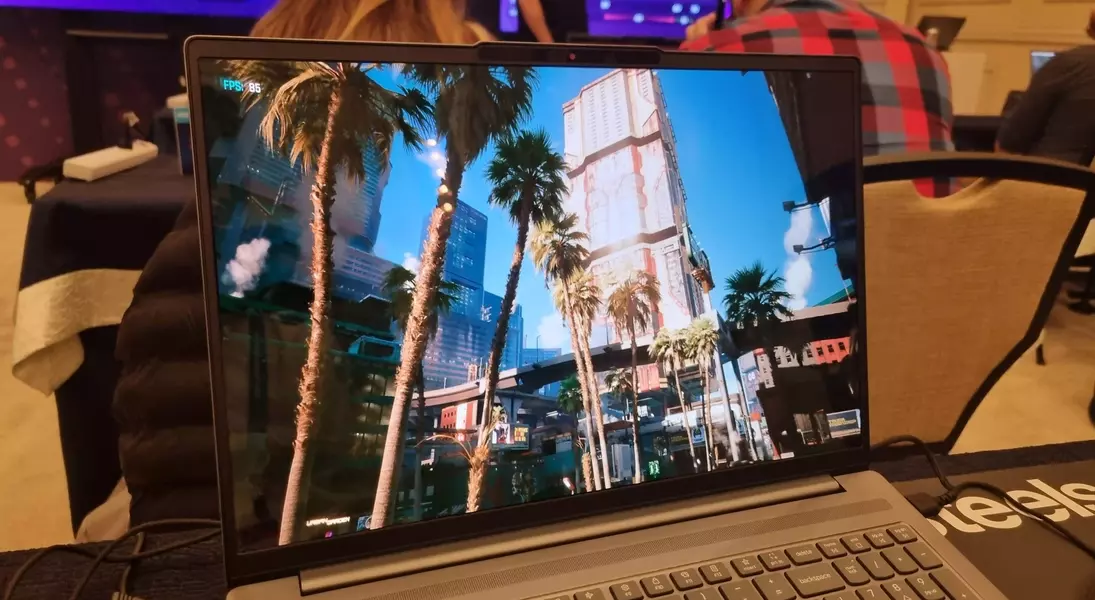
During the CES event, a thorough examination of driver files from a laptop showcasing Intel's latest Core Ultra Series 3 processor reportedly uncovered references to the elusive G31 GPU. This discovery, detailed by an individual who delved into the system's software, has once again brought the rumored graphics card into the spotlight, suggesting that its development may still be active despite the lack of a formal announcement.
Over the past year, various reports and leaks have repeatedly alluded to the G31 or B770. These sightings, ranging from shipping manifests to Linux driver updates, have kept the possibility of a high-performance Intel gaming GPU alive. However, the graphics card has consistently failed to materialize into an official product, leading to questions about its ultimate fate in the consumer market.
The reasons behind the graphics card's continued delay and unofficial status are subject to several hypotheses. One prevailing theory points to the ongoing volatility in memory component prices. Intel might be awaiting a stabilization in RAM costs before committing to the release of a new GPU, ensuring a more favorable market entry point. Another perspective suggests that Intel deliberately chose not to unveil the GPU at CES to avoid diverting attention from its Panther Lake CPU launch, which is considered a more strategically significant product for the company, particularly with its reliance on Intel's advanced 18A node technology. Furthermore, it is plausible that Intel is still in the process of refining the drivers for what could be its most powerful gaming GPU to date, aiming to deliver a polished and competitive product upon launch.
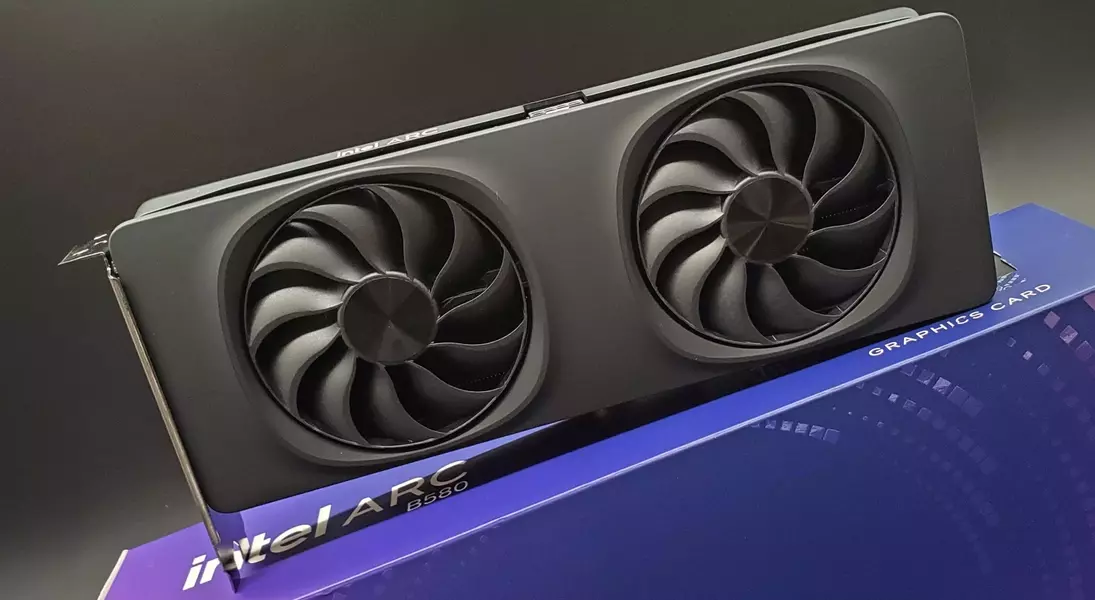
Performance expectations for the B770 have varied widely, with estimations placing it in a range competitive with Nvidia's RTX 5060 Ti, RTX 4070, or even the RTX 5070. Should Intel manage to position the B770 at the higher end of this performance spectrum, especially with a generous 16 GB of graphics memory, and couple it with their characteristic aggressive pricing strategy, it could present a highly attractive option for gamers. The market is eager for increased competition in the graphics card sector, which could lead to more affordable and innovative solutions for PC gaming. While Intel's previous Arc B580 faced initial challenges with driver support, subsequent improvements have been notable. However, it still falls short of significantly disrupting the mid-range GPU market currently dominated by Nvidia. The potential introduction of the B770 into this segment could offer the much-needed competitive push to benefit serious PC gamers, though after more than a year since the B580's launch, the hope for this new card is slowly beginning to wane.
The persistent rumors surrounding Intel's G31 GPU, despite its repeated absence from major events like CES, highlight the industry's keen interest in Intel's efforts to expand its presence in the discrete graphics card market. The continued emergence of references to this mysterious component in driver packages underscores an ongoing development, even if the strategic timing and official details of its potential release remain under wraps. Enthusiasts and consumers alike are eagerly watching, hoping for a product that could enhance competition and affordability within the gaming hardware landscape.
