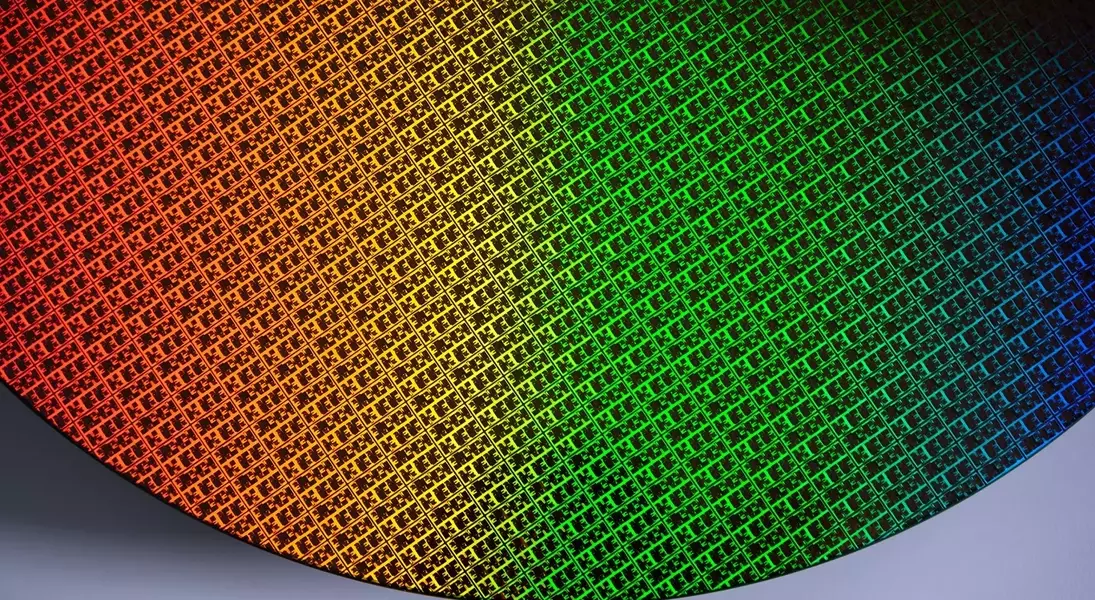
Intel, a leading semiconductor manufacturer, has encountered various challenges in recent years. However, the company is now pinning its hopes on its cutting-edge 18A manufacturing process and the forthcoming Panther Lake chip architecture to usher in a new era of dominance. This ambitious strategy underscores Intel's commitment to innovation and its determination to reclaim a leading position in the competitive semiconductor landscape.
During its Q4 earnings call, Intel’s CFO, David Zinsner, articulated the pivotal role of these advancements. He emphasized that the combination of the x86 ecosystem's enduring strength in client and datacenter segments, alongside the advanced 18A process—developed and manufactured entirely in the United States—forms a robust foundation for a revitalized Intel. The CEO, Lip-Bu Tan, also expressed confidence in the steady progress of the 18A technology, highlighting the dedicated efforts to enhance its capabilities and ramp up production to meet the high demand for the Series 3 chips.
Early performance indicators for Panther Lake are highly encouraging, particularly in the mobile gaming sector. Tests conducted at CES 2026 demonstrated impressive gaming capabilities, with Cyberpunk 2077 achieving respectable frame rates on high settings without advanced upscaling or ray tracing. Furthermore, claims of extended battery life, ranging from 20 to 30 hours, position Panther Lake as a compelling option for on-the-go PC gamers. This technological leap, combined with Intel Foundry's strategic positioning against rivals like TSMC by leveraging domestic manufacturing advantages, signals a promising trajectory for Intel. The company aims to capitalize on the growing demands of the AI era, with the expectation that investments in AI will ultimately fuel further product development and innovation.
Intel's strategic focus on innovation, particularly with its 18A process and Panther Lake chips, demonstrates a forward-thinking approach to overcoming past hurdles. By prioritizing advanced manufacturing and high-performance computing, Intel is not only aiming for commercial success but also contributing to technological progress that benefits various sectors, including gaming and artificial intelligence. This pursuit of excellence, coupled with a commitment to meeting evolving customer needs, reflects a positive outlook for the future of computing and encourages continued advancements in the industry.
