

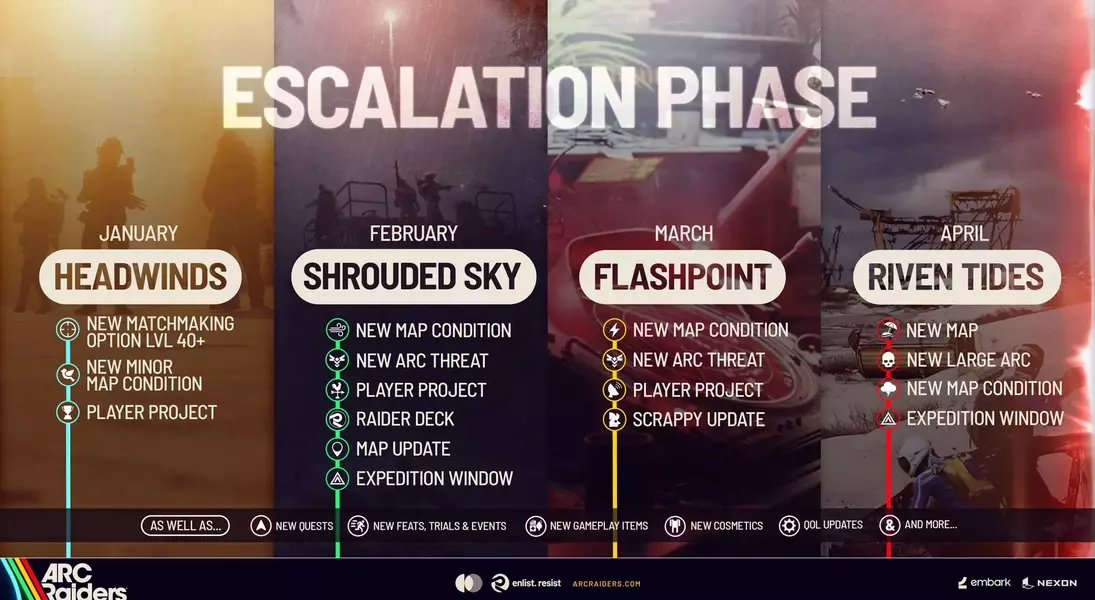
In an insightful interview, Embark Studios' Virgil Watkins, the design director of Arc Raiders, and Bence Pajor, the audio director, provided a comprehensive look into the game's intricate mechanics and the challenges of its ongoing development. The discussion, held just before the launch of the 'Shrouded Sky' update, covered a spectrum of topics from player-versus-environment (PvE) and player-versus-player (PvP) dynamics to the strategic evolution of the live service model and the innovative soundscapes that define the game's universe. This deep dive offers a rare glimpse into the developers' perspectives on the community's engagement and their vision for the future of this unique extraction shooter.
A significant portion of the interview addressed the contentious 'aggression-based matchmaking' (ABMM) system, a concept that has sparked considerable debate within the Arc Raiders community. Watkins clarified that the system is far more nuanced than perceived, dispelling the misconception of binary 'friendly' or 'aggressive' lobbies. He emphasized that the matchmaking continuously blends players, and individual actions, rather than single incidents, dictate a player's engagement profile. The developers acknowledge the unexpected emergence of cooperative player behaviors, or 'care-bear lobbies,' which has encouraged them to foster more friendly interactions while still catering to the PvP audience. The goal remains to provide robust tools for both playstyles, ensuring a dynamic environment where players' motivations drive emergent narratives, such as the 'sheriffs of Stella Montis' who enforce order in raids.
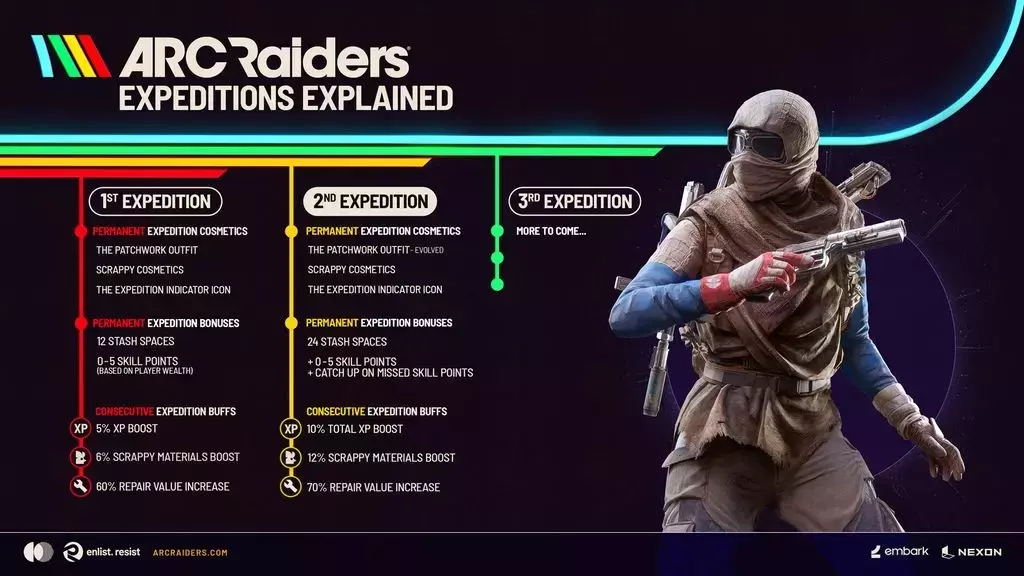
The conversation then shifted to the 'Expeditions' and blueprint systems, which Watkins described as an ongoing experiment. He candidly admitted to issues with the initial currency calibration, leading to adjustments in the second Expedition. The team aims to integrate more diverse game loops with the system, moving beyond mere currency values. While open to allowing players to retain a select few blueprints across Expeditions, the primary focus is on refining how blueprints are acquired and learned, ensuring they remain a meaningful part of character progression without overburdening the optional reset mechanic. This iterative approach underscores Embark Studios' commitment to adapting game mechanics based on player feedback and live data.
Running a live service game presents unique challenges, a lesson Embark Studios has learned rapidly since Arc Raiders' launch. Watkins highlighted the need for quick responses to unforeseen issues like critical bugs or denial-of-service attacks, a stark contrast to the more controlled environment of pre-launch development. The sheer volume of players, far exceeding initial expectations, has brought to light 'wild things' that even extensive internal testing couldn't uncover. Addressing community concerns, Watkins stated that all reported issues are treated equally, regardless of who reports them, and resolution times vary based on the technical complexity of the bug, emphasizing that louder voices do not receive preferential treatment.
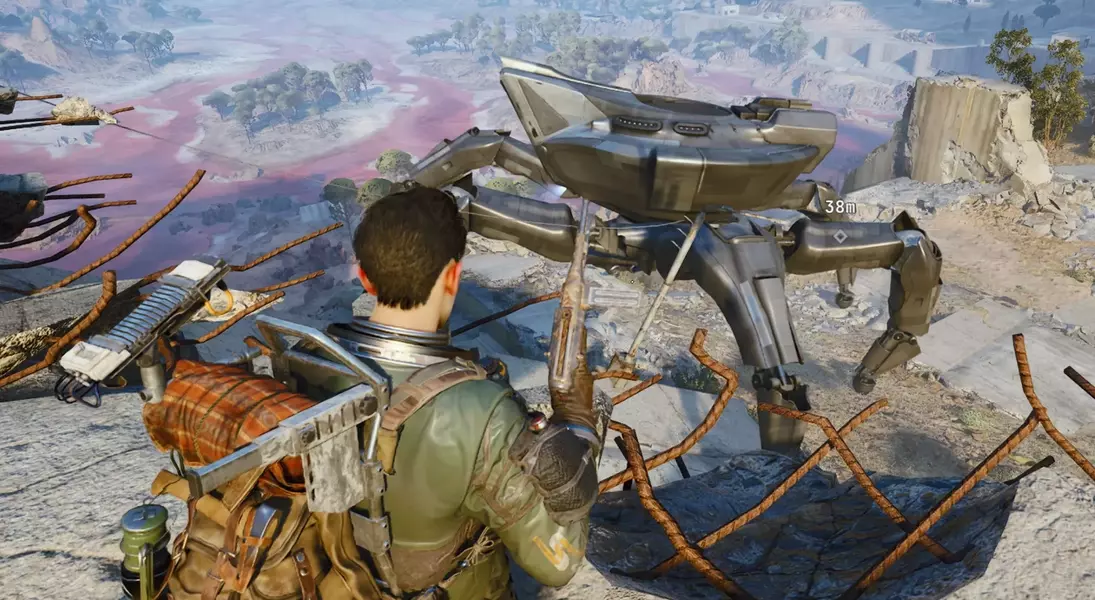
The discussion also touched upon PvE encounters, particularly the 'Matriarch and Queen' boss fights, which often conclude rapidly in cooperative lobbies. Watkins acknowledged that the effectiveness of player abilities might have inadvertently trivialized these encounters, originally designed for mid-game gear. The developers are exploring ways to rebalance these events, viewing them as 'encounters' rather than traditional bosses, to better suit diverse player strategies—from aggressive combatants to opportunistic scavengers. Furthermore, events like 'Locked Gate' and 'Hidden Bunker' are slated for revisions to mitigate issues where camping entrances becomes more rewarding than actively participating in objectives, a meta-gaming phenomenon that arose from initial design.
Bence Pajor, the audio director, offered insights into the game's distinctive sound design. He explained how the concept of repurposed, makeshift weapons—crafted from 'junk'—translates into their audio profile, blending mechanical noises with subtle animalistic cues for enemies. The team employs extensive real-world gun recordings, broken down and reassembled in-engine to create believable yet unique weapon sounds. For the robotic adversaries, the challenge lies in conveying expressiveness without making them sound overly biological. Pajor also detailed techniques for building tension in the soundscape, utilizing the contrast between mundane background noises and sudden, dangerous sounds to heighten player awareness and anxiety, a deliberate choice to keep players on edge.
The interview provided a clear picture of Embark Studios' dynamic approach to Arc Raiders. They are actively engaged in refining core game mechanics like matchmaking and progression systems, demonstrating a strong responsiveness to player behavior and feedback. The developers are keen to foster emergent gameplay and continually evolve the game's challenges, ensuring a fresh and engaging experience for both PvE and PvP enthusiasts. This ongoing dialogue between developers and the community is crucial in shaping Arc Raiders into a robust and immersive live service title.
