



While 'The Legend of Zelda: Breath of the Wild' initially captivated players with its unparalleled sense of freedom and expansive open world, many yearn to recapture that initial wonder. This article delves into a collection of inventive replay strategies and self-imposed rules crafted to rekindle that original excitement. These approaches transform the familiar landscape of Hyrule into a fresh playground for exploration and strategic thinking, encouraging players to confront the game's mechanics and narrative in entirely new ways. From restricting vital resources to engaging in specific dietary challenges or unique role-playing scenarios, each method offers a distinct path to rediscover the game's depth and versatility, ensuring that every journey through Hyrule feels as novel and thrilling as the first.
The suggested challenges range from adjusting the difficulty by imposing severe limitations on Link's health and stamina to adopting strict survival rules like cutting off all merchant interactions, forcing reliance on foraging and crafting. Other imaginative ideas include enforcing a permadeath rule for beloved animal companions, drawing inspiration from 'Majora's Mask' with timed resets, or committing to specific combat philosophies through 'Champion cosplay'. These diverse strategies not only provide a rigorous test of skill and adaptability but also highlight overlooked aspects of the game, such as the intricacies of its cooking system or the impact of environmental storytelling. By embracing these unique parameters, players can bypass the routine and delve into a more personalized and demanding adventure, proving that Hyrule's potential for discovery is virtually limitless.
Reimagining Survival: Resource Restrictions and Companion Care
To infuse 'Breath of the Wild' with renewed vigor, consider adopting stringent resource limitations. One compelling method involves capping Link's hearts and stamina at their starting levels, transforming even the most basic encounters into high-stakes struggles and demanding a greater reliance on stealth and culinary preparation for survival. This approach fundamentally alters the player's engagement with combat and exploration, emphasizing strategic avoidance and meticulous planning over brute force. Additionally, a permadeath rule for animal companions, such as horses or Wolf Link, introduces an emotional layer of responsibility, compelling players to prioritize their safety and adjust their playstyle to mitigate risks, thereby deepening the connection to the game's world and its inhabitants.
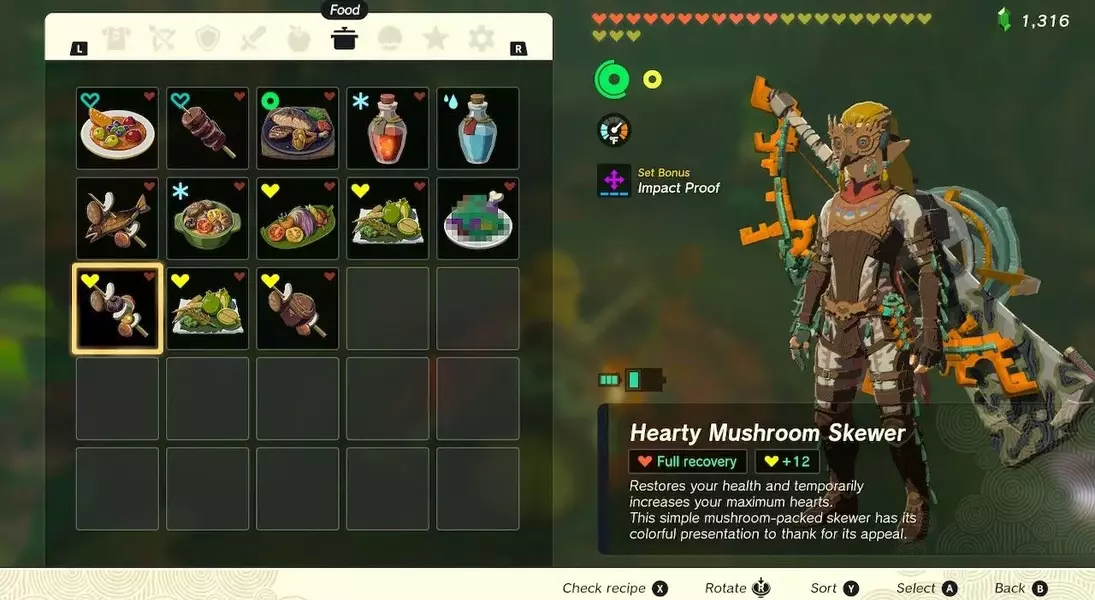
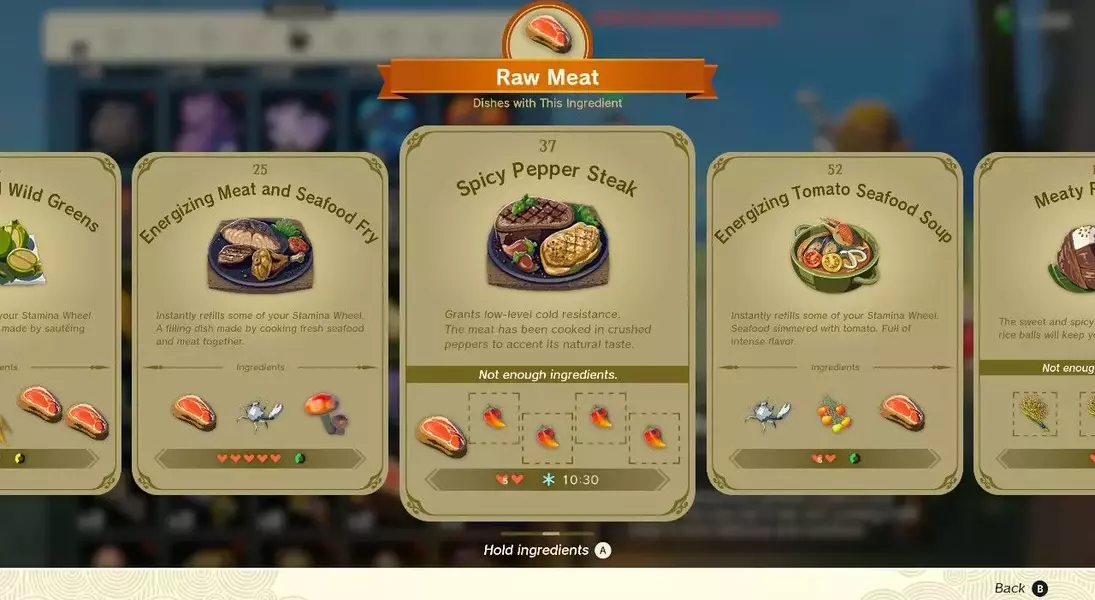
Further enhancing the survival aspect, players can choose to completely sever ties with Hyrule's merchants, forcing them to depend solely on foraging, hunting, and cooking for all necessities. This rule reshapes the economic landscape of the game, rendering rupees obsolete and pushing players to master the often-underutilized cooking and gathering systems. Such an undertaking not only makes every found item precious but also uncovers the rich diversity of Hyrule's ecosystems, compelling players to interact with the environment in ways they might typically bypass. Combined with challenges like adopting a carnivorous diet, which eliminates many powerful plant-based buffs, these restrictions foster an immersive survival experience that tests resourcefulness and resilience, making every achievement feel hard-earned and profoundly rewarding.
Embracing Novel Journeys: Time Constraints, Themed Play, and Culinary Expeditions
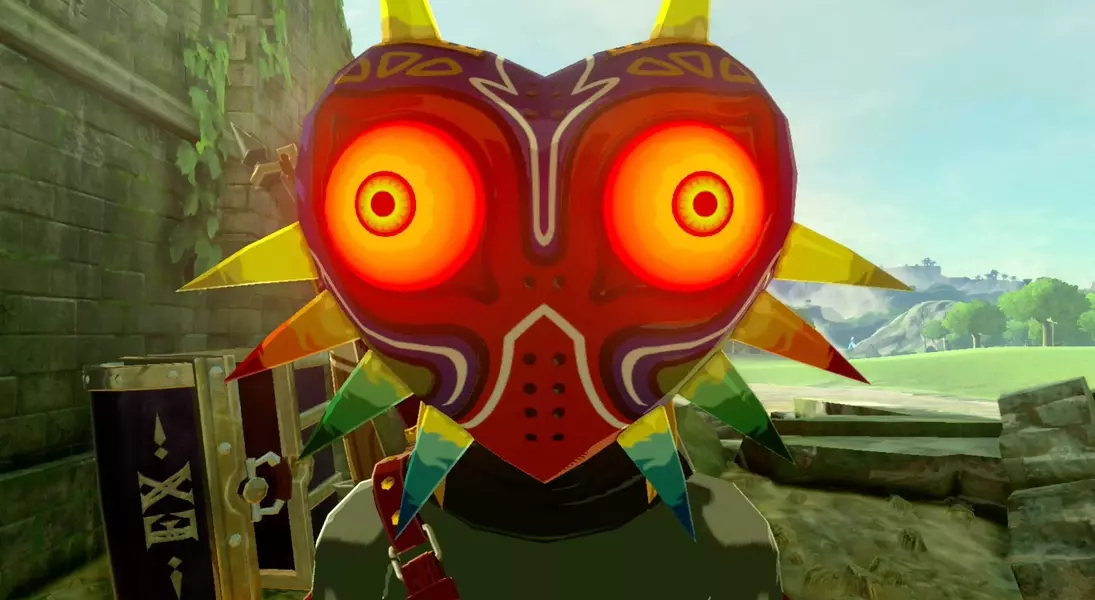
Another fascinating way to re-engage with 'Breath of the Wild' involves imposing artificial time constraints, reminiscent of 'Majora's Mask'. By implementing a rule that requires Link to abandon most acquired gear and return to a fixed starting point every three in-game days, players are compelled to approach exploration and questing with a renewed sense of urgency and strategic foresight. This temporal pressure forces a re-evaluation of priorities, encouraging efficient planning and a deeper appreciation for short-term objectives, transforming the leisurely pace of the open world into a dynamic race against the clock. This mechanic also adds a layer of consequence to every decision, as players must constantly weigh the value of their current progress against the inevitable reset, fostering a unique blend of excitement and tension.
Beyond time-based challenges, players can explore themed playthroughs that drastically alter the typical 'Breath of the Wild' experience. A "DIY Eventide Island" challenge, for instance, requires Link to strip down to basic gear upon entering each new region, simulating the island's stripped-down survival scenario across the entire map and encouraging localized resourcefulness. Alternatively, a "Champion cosplay" run limits Link's abilities and gear to mimic a specific Hyrule Champion's combat style and regional affinity, introducing distinct combat patterns and movement restrictions. The game's culinary system can also become a central focus, with players challenged to cook regional dishes using only locally sourced ingredients before moving to a new area. These creative frameworks not only provide a fresh lens through which to appreciate Hyrule's vastness and intricate design but also push players to experiment with diverse strategies and discover hidden depths within the game's mechanics, ultimately enriching their overall experience.
