The cinematic landscape at this year's Toronto Film Festival is notably enriched by a historic showcase of Canadian Indigenous talent, featuring eight full-length films in the official selection. This significant milestone underscores a powerful moment of visibility and recognition for Indigenous storytellers, whose voices are increasingly amplified on an international stage. This burgeoning presence is largely a result of dedicated financial support and strategic initiatives from key organizations such as the Indigenous Screen Office (ISO) and Telefilm Canada. These bodies are committed to nurturing Indigenous cinematic narratives, enabling filmmakers to bring their authentic perspectives and rich cultural heritage to broader audiences. The collective effort highlights a profound shift towards greater inclusivity and representation within the global film industry, promising a more diverse and vibrant storytelling future.
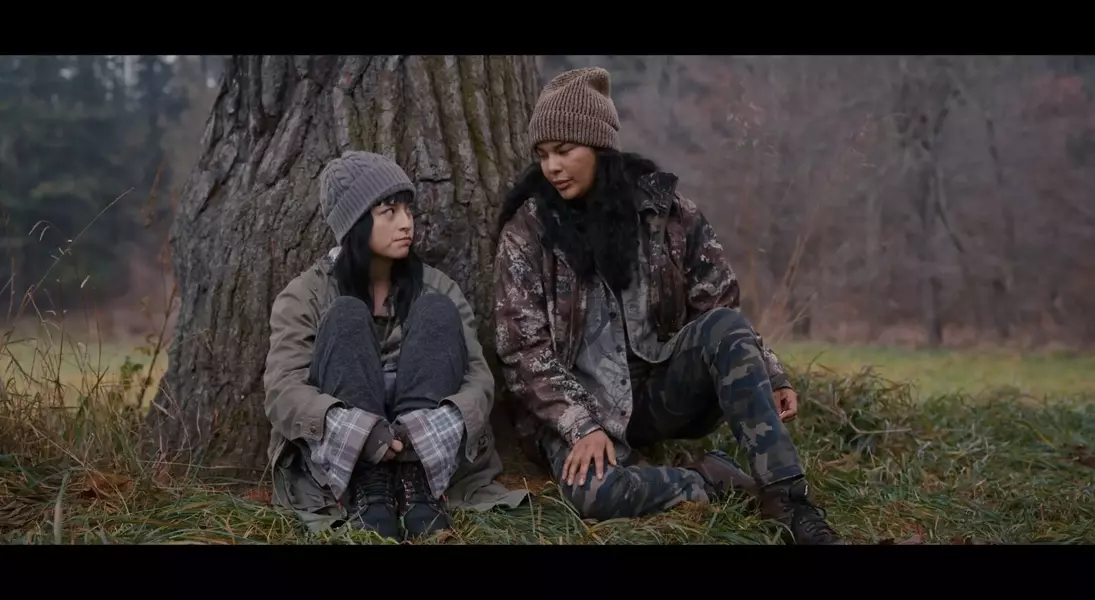
A prime example of this flourishing movement is Eva Thomas, a writer and director from Walpole Island First Nation, who is garnering significant attention for her feminist crime thriller, 'Nika & Madison'. The film, which features Ellyn Jade and Star Slade as two young Indigenous women on the run, is set to make its world premiere. Thomas and her team have ingeniously promoted the film with 'Wanted' posters plastered across downtown Toronto, creating buzz ahead of its debut. This project, like many others, received crucial financial backing from the ISO, underscoring the critical role funding plays in realizing these creative visions. As Thomas articulates, such support is fundamental to elevating Indigenous cinema to new heights.
The festival's lineup proudly includes a diverse array of Indigenous films, many of which are world premieres. These encompass 'Ni-Naadamaadiz: Red Power Rising' by Shane Belcourt & Tanya Talaga, Bretten Hannam's 'Sk+te’kmujue’katik (At the Place of Ghosts)', Tasha Hubbard’s 'Meadowlarks', Zacharias Kunuk’s 'Uiksaringitara (Wrong Husband)', Gail Maurice’s 'Blood Lines', Darlene Naponse’s 'Aki', and Rhayne Vermette’s 'Levers'. This extensive selection reflects a collective dedication to showcasing the multifaceted narratives emerging from Indigenous communities. Kerry Swanson, CEO of the ISO, emphasizes that while Indigenous filmmakers have historically created impactful work with limited resources, recent governmental funding initiatives have been transformative, paving the way for this unprecedented representation at TIFF.
While acknowledging the positive impact of government support aimed at reconciliation and fostering Indigenous talent, Swanson and filmmakers remain acutely aware of the precarious nature of such funding. They stress the continuous need to advocate for and protect these financial lifelines against potential cuts or shifts in political priorities. The ISO, in collaboration with government agencies, is also investing heavily in training programs for First Nations storytellers. These initiatives are designed to equip filmmakers with diverse skills applicable across various cinematic forms, from short films to documentaries, ensuring their careers are sustainable regardless of future funding fluctuations. Julie Roy, Executive Director and CEO of Telefilm Canada, highlights the $4 million annual commitment to Indigenous filmmakers, emphasizing support for their presence at major international festivals like Toronto, Cannes, and Berlin. This sustained investment in training and global exposure is vital for nurturing new voices and ensuring that these compelling, human-centric stories resonate worldwide.
The current surge in Indigenous filmmaking at the Toronto Film Festival is a testament to the power of dedicated support and the unwavering resilience of Indigenous artists. This moment marks a significant progression in amplifying diverse narratives, fostering a more inclusive film industry, and ensuring that the rich tapestry of Indigenous cultures is celebrated globally.
