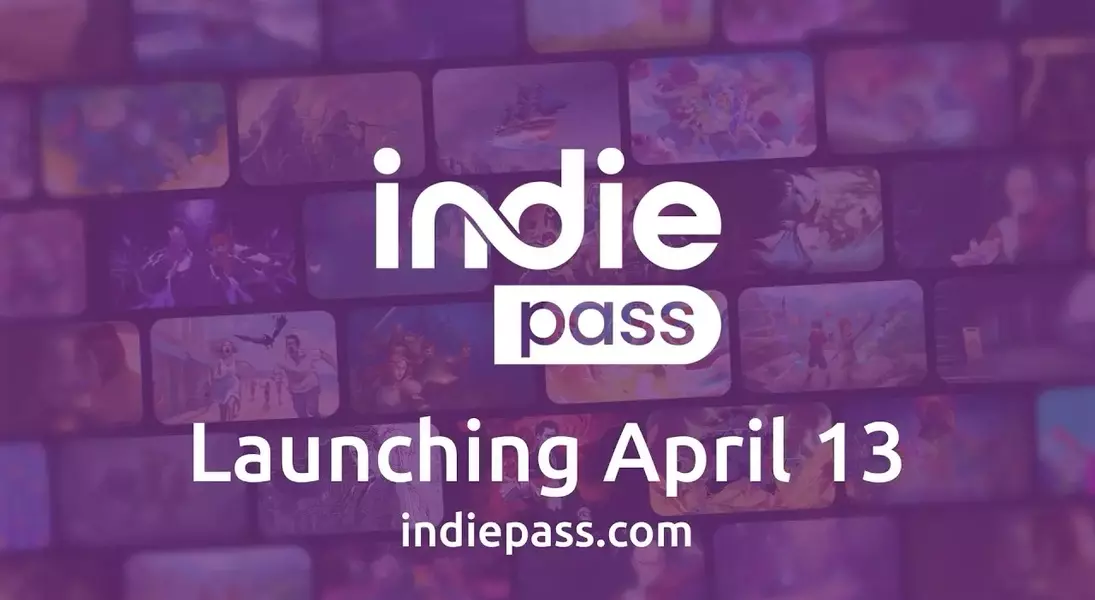
Indie Pass, a new subscription service exclusively for independent games, is set to launch on April 13th. Priced at $6.99 per month, it aims to provide subscribers with a curated selection of titles from indie developers. The service, spearheaded by publisher indie.io, intends to expand its game library by inviting more developers to join its platform, promising them revenue tied to player engagement.
Indie Pass: Revolutionizing Indie Gaming or a Risky Venture?
The Unveiling of Indie Pass: A New Challenger in Gaming Subscriptions
A fresh entrant into the gaming subscription landscape, Indie Pass, is poised to debut on April 13th. This service proposes to grant members access to a hand-picked collection of independent games for a monthly fee of $6.99. The initial offering will include 70 titles, predominantly from the portfolio of indie.io, the driving force behind this new initiative. The company's strategy involves actively recruiting additional developers, assuring them a share of the revenue based on how long subscribers play their games.
Community's Cold Shoulder: Early Reactions and Concerns
Despite the ambitious vision, the announcement of Indie Pass has been met with a largely lukewarm, if not outright critical, response from the gaming community. Social media platforms have become a hotbed for discussion, with several key criticisms emerging. A primary concern revolves around the revenue model, where compensation is dictated by playtime. Critics argue this system might inadvertently favor games designed for prolonged engagement over those offering more concise, impactful experiences. Moreover, many question the value proposition, highlighting that indie games are often affordably priced, making direct purchases a more impactful way to support creators. The debate also touches on the broader trend of game ownership, with some lamenting the shift towards subscription-based access rather than outright possession of titles. Finally, the prospect of yet another game launcher adds to the fatigue of a market already saturated with platforms.
Industry Voices Weigh In: Skepticism from Veterans
Prominent figures within the gaming industry have not shied away from expressing their reservations. George Broussard, co-founder of 3D Realms, unequivocally stated that such a service could be "poison for game developers and a net negative for gaming." This sentiment underscores a deeper concern about the potential long-term implications for the indie development ecosystem. While some cautiously acknowledge the potential for discovery, suggesting it might help players find hidden gems, the overall mood remains skeptical.
The Discoverability Dilemma: A Double-Edged Sword for Indie Developers
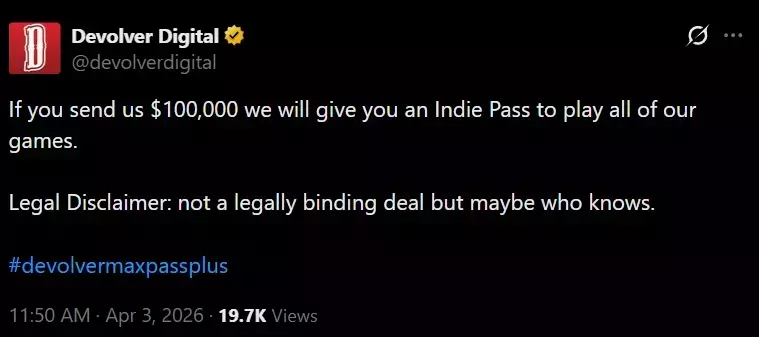
Jess Mitchell, director of growth at Indie Pass, emphasized discoverability as a key advantage for developers considering the platform. She noted the overwhelming volume of new games constantly entering the market, making it challenging for indie titles to gain traction beyond their initial launch. The service aims to offer a continuous platform for exposure. However, the company's confidence that Indie Pass will not negatively impact game sales has been met with skepticism. The experience of other major publishers, such as Devolver Digital, who playfully mocked the concept by suggesting a hefty upfront payment for an "Indie Pass" to their catalog, further illustrates the industry's cautious stance.
A Challenging Road Ahead: Overcoming Market Perception
Indie Pass faces a significant uphill battle in convincing both developers and consumers of its inherent value. The initial reception suggests a strong preference for traditional ownership and a distrust of business models that tie revenue to playtime. The challenge is further highlighted by the fact that a simple Google search for "Indie Pass" currently autocorrects to "indy pass," associating it with ski resorts rather than a revolutionary gaming service. This brand confusion, combined with widespread skepticism, indicates that Indie Pass must work diligently to differentiate itself and demonstrate tangible benefits to carve out a successful niche in the competitive gaming market.
