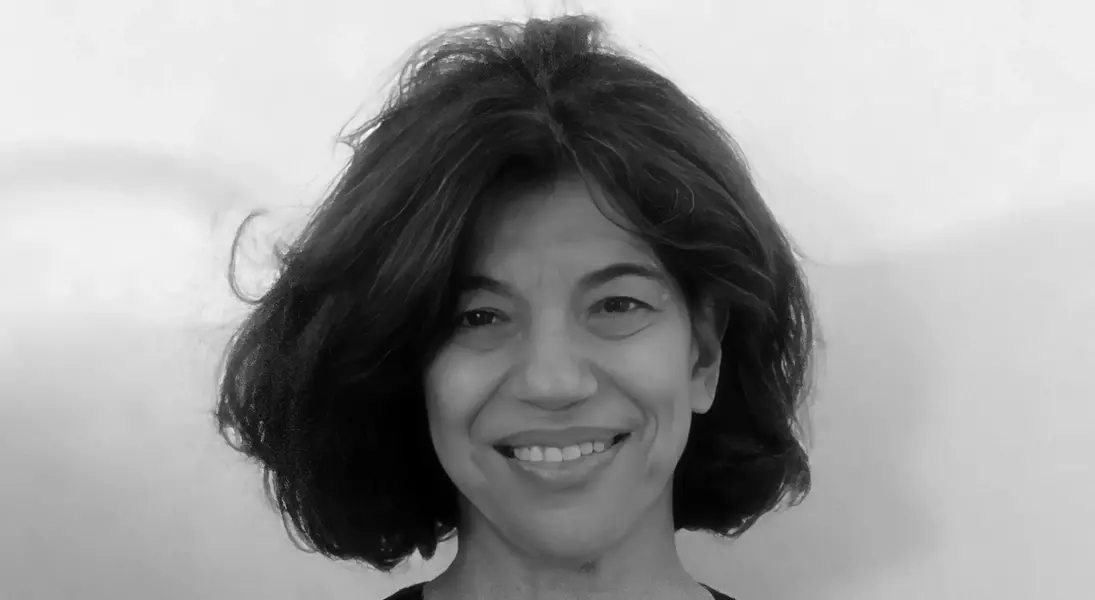
The International Documentary Film Festival Amsterdam (IDFA) is poised to commemorate the work of Portuguese documentary filmmaker Susana de Sousa Dias as its distinguished guest of honor for the 2025 festival, scheduled from November 13 to 23. De Sousa Dias is renowned for her distinctive use of archival imagery and cinematic language to scrutinize dictatorial regimes, colonial impacts, and the ephemeral nature of memory. A key highlight of IDFA will be an in-depth discussion with the filmmaker, providing insights into her critically acclaimed body of work.
Furthermore, IDFA will present the second iteration of its \"Dead Angle\" program, which this year will scrutinize societal institutions, and the latest installment of the \"IDFA DocLab\" new media program, delving into the modern paradox of constant technological connectivity juxtaposed with increasing disengagement. The \"Dead Angle\" initiative aims to reveal unseen systemic structures shaping our existence through documentary cinema. This year's focus on institutions encourages an examination of their functions, failures, and future roles. Meanwhile, the 19th edition of \"IDFA DocLab,\" themed \"Off the Internet,\" will explore the growing desire for digital detachment, the difficulty of truly unplugging, and the inherent privilege associated with going offline, presenting interactive and immersive artworks that seek new forms of presence and connection. Confirmed titles for DocLab include the world premieres of Nothing to See Here by Celine Daemen and Handle With Care by Ontroerend Goed.
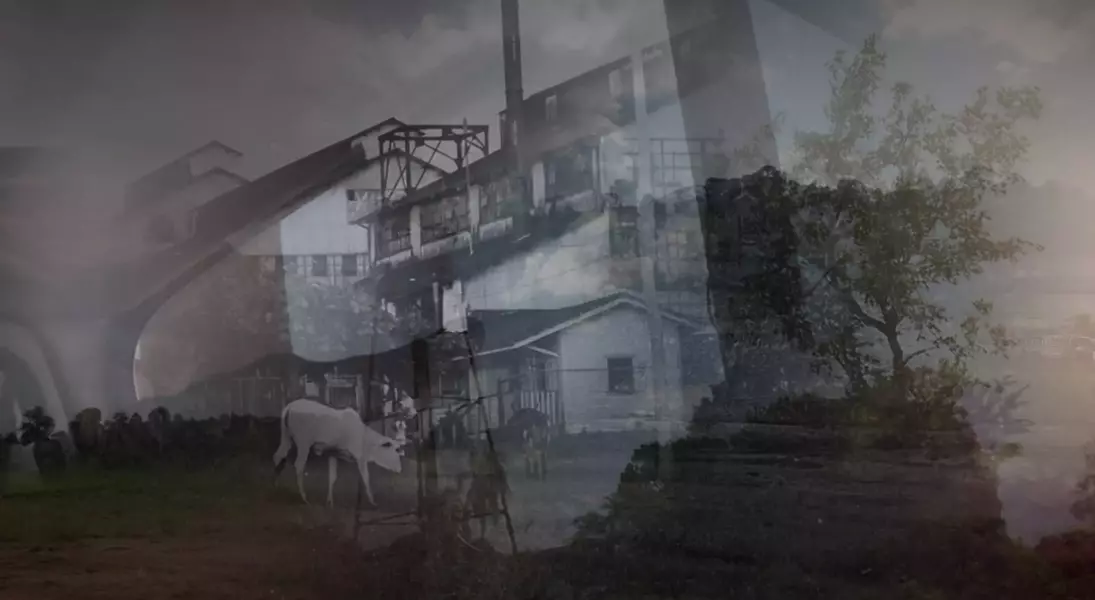
The retrospective dedicated to de Sousa Dias will showcase her unwavering method of constructing dissenting counter-archives and her unique visual style. Her celebrated films, such as Still Life (2005), which reflects on Portugal's Estado Novo fascist regime, and 48 (2009), which contrasts archival photographs of political prisoners with later testimonies, compellingly expose hidden histories of oppression and resistance. Her more recent projects, including the world premiere of Fordlândia Panacea (2025), investigate Brazil's neo-colonial archives, challenging audiences to reconsider how political histories are conveyed through film. Additionally, de Sousa Dias has curated a 'Top 10' program that delves into collective memory and filmmakers' efforts to reinterpret political narratives. This selection features notable works such as Monangambééé (1968) by Sarah Maldoror and Images of the World and the Inscription of War (1989) by Harun Farocki, alongside several other impactful films.
The IDFA festival, through its diverse programming and celebration of visionary filmmakers like Susana de Sousa Dias, underscores the profound capacity of documentary cinema to illuminate critical social issues, challenge established narratives, and foster a deeper understanding of our shared human experience. By engaging with complex themes such as memory, institutions, and the impact of technology, the festival serves as a vital platform for dialogue, reflection, and the pursuit of truth in an increasingly interconnected yet often disconnected world. It encourages us to look beyond the surface, questioning the forces that shape our societies and inspiring a more informed and engaged citizenry.
