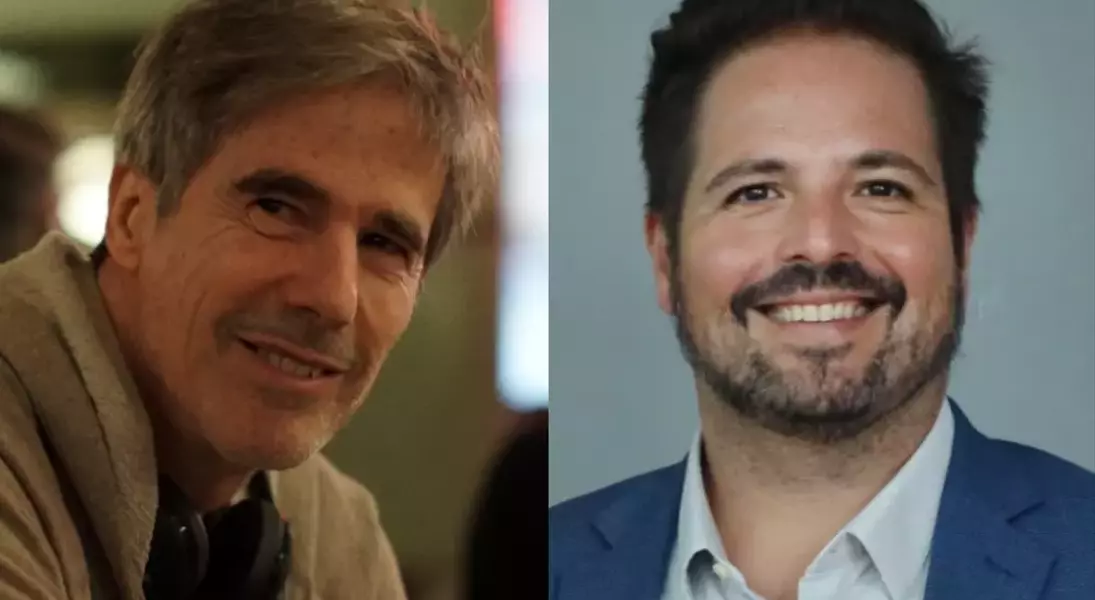
The Brazilian independent production and distribution industries, in conjunction with local cinema operators and government support, are actively advocating for the swift approval of new streaming platform regulations within Congress this year. These proposed legislative changes are designed to significantly increase financial allocations for independent productions and to establish mandatory quotas for Brazilian film and television content on digital streaming services. This concerted effort aims to bolster the domestic audiovisual sector and ensure that local intellectual property rights are protected and respected.
A primary objective of the proposed legislation, spearheaded by independent producers, is to implement a mechanism that channels a portion of streaming platforms' revenues back into the Brazilian film and television ecosystem. Specifically, Bill 2331/22, drafted by congressional representative Jandira Feghali, suggests a 6% Condecine tax on the gross revenues of streaming services operating in Brazil. This tax revenue would then feed into the Fundo Setorial do Audiovisual (FSA), which serves as the country's main incentive fund for independent productions, covering aspects from development to distribution and exhibition infrastructure. This financial infusion is projected to have a substantial annual impact, estimated at around R$4 billion ($727 million), a significant increase compared to the traditional annual FSA allocation of about R$1 billion ($181.8 million).
Furthermore, the bill introduces content quotas, requiring streaming platforms to feature a minimum of 10% Brazilian content in their catalogs. It also mandates specific visibility criteria, ensuring that local films and television shows are prominently displayed and easily discoverable on these platforms. A critical component of the bill allows streamers to utilize a portion of their Condecine tax obligations to license Brazilian independent content directly, with the stipulation that the intellectual property rights remain with the independent production companies. This aims to foster a more equitable relationship between global streaming giants and local content creators.
The push for these regulations, however, faces considerable opposition, particularly from major technology companies operating video-sharing platforms such as YouTube and Meta. These entities, whose professional audiovisual content is monetized through advertising, are also included in the proposed VOD regulation. Congressional representatives aligned with these tech giants have reportedly hindered the bill's progress within the House of Representatives' Culture Commission. Industry experts like Gabriel Portela, a public policy specialist, suggest that merging Bill 2331/22 with another existing VOD regulation bill, Bill 8889/17 (which has been under discussion since 2017 and is ready for a vote), presents the most viable path forward. Filmmakers have even proposed that Representative Feghali be responsible for drafting the final version of the merged legislation.
Beyond financial incentives and content quotas, another vital aspect of the proposed VOD regulation concerns theatrical exhibition windows for films licensed by streaming services. Local exhibitors and distributors have voiced concerns that current streaming contracts often prematurely shorten the theatrical run of films, a practice that has severely impacted the exhibition sector, especially as it recovers from pandemic-related shutdowns. Bill 2331/22 proposes a minimum theatrical window of 63 days (nine weeks), which, while an improvement over current market practices, falls short of the 90-day window preferred by many exhibitors and distributors. Despite this, there is a consensus among industry stakeholders that reaching a regulatory agreement this year is paramount, as it is believed to benefit not only the local industry by stimulating production and improving infrastructure but also streaming services by providing them with a richer selection of Brazilian content, thereby attracting new subscribers.
The current legislative push reflects a recognition of past oversights, with figures like Igor Kupstas, director of O2 Play, acknowledging that it was a "historic mistake" not to regulate VOD platforms more than a decade ago when they first emerged in Brazil. The collective sentiment is that a clear regulatory framework is essential for the sustainable development of the Brazilian audiovisual industry. Achieving a consensus before the 2026 presidential elections is seen as crucial, given the potential for political distractions to further delay the legislative process. The hope is that approved regulations will facilitate a constructive dialogue on how to best utilize newfound resources to cultivate the Brazilian market, enhance infrastructure, and produce more commercially successful films.
