The burgeoning popularity of Pokémon trading cards has regrettably led to a significant increase in counterfeit versions, posing a substantial challenge for both enthusiasts and investors. This guide provides an in-depth look into the most commonly faked cards and offers expert advice from the renowned grading service, PSA, on how to identify these deceptive replicas.
Unmasking the Fakes: Your Ultimate Guide to Authentic Pokémon Cards
The Rising Tide of Forgery in the Pokémon Card Market
The escalating demand and monetary value of Pokémon trading cards have unfortunately paved the way for a proliferation of counterfeit products. While some imitations are easily discernible, the growing financial incentives within the hobby have driven counterfeiters to produce increasingly sophisticated fakes. This makes it imperative for collectors and players to be well-versed in identifying the cards most frequently targeted by scammers and to understand the critical attributes that distinguish a genuine card from a forgery.
Insights from Industry Experts on Counterfeit Trends
A recent report by PSA, a leading grading service, shed light on the alarming trends in forged and altered collectibles, specifically highlighting Pokémon cards. In 2025 alone, there was a staggering 407% increase in altered Pokémon cards submitted for grading. This emphasizes the critical role of expert authentication in a market saturated with deceptive items. While the characters prone to counterfeiting might not surprise many, it's crucial to acknowledge which cards demand extra scrutiny. Interestingly, not only the most expensive and rare cards are targets; some highly counterfeited cards can be acquired for under $150, making them more accessible and thus more appealing for fraudulent activities.
Identifying the Most Frequently Counterfeited Pokémon Cards
- Pokémon JP S-P Pikachu #002 (2019)
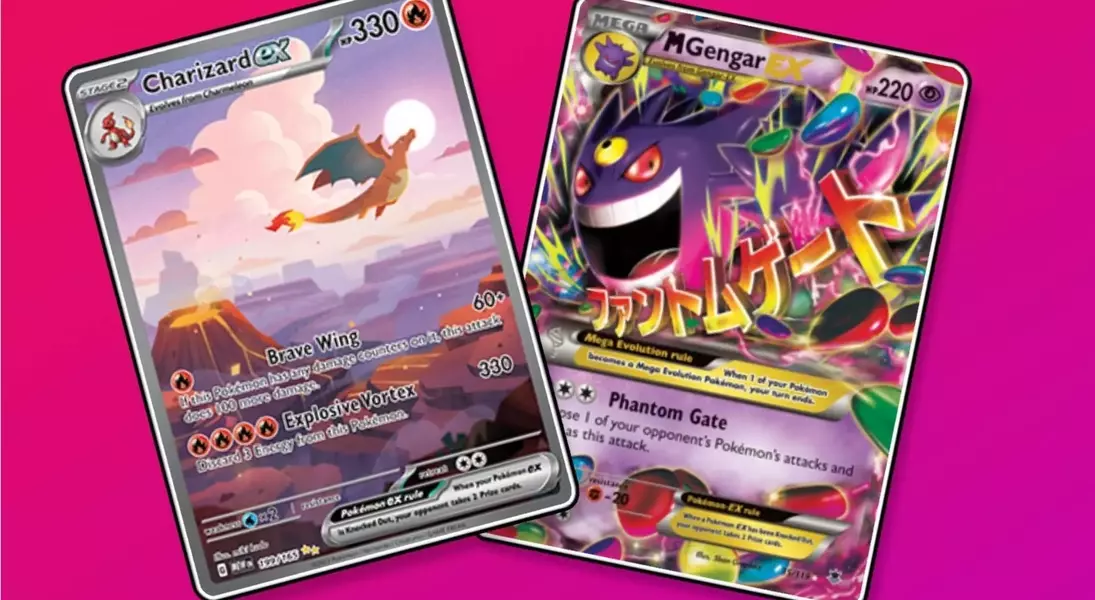
- Pokémon S&V 151 Charizard ex #199 (2023)
- Pokémon JP S&S Marnie #068 (2019)
- Pokémon JP XY Promo Pikachu #098 (2014)
- Pokémon JP Base Set Charizard #006 (1996)
- Pokémon JP SWSH Gengar VMAX #020 (2021)
- Pokémon JP SM Promo Pikachu #288 (2018)
- Pokémon Pris. Evol. Eevee #173 (2025)
- Pokémon JP Tag Team Reshiram & Charizard GX #220 (2019)
- Pokémon JP S&M Lillie #068 (2019)
A notable observation is that contemporary cards are more frequently counterfeited than their vintage counterparts, with only one card on the list exceeding eight years in age. Nearly half of these prevalent fakes originate from 2019 sets, a period whose artistic quality may have inadvertently contributed to their appeal. This era also coincides with an increased interest in Pokémon cards, partly fueled by influential personalities.
Key Indicators to Detect a Counterfeit Pokémon Card
Beyond the fascinating fact that Charizard is a more common target for counterfeiters than iconic figures like Mickey Mouse or Michael Jordan, PSA's findings provide invaluable criteria for authenticating cards. Here are six crucial aspects to examine when assessing a card's legitimacy:
- Card Edges: Scrutinize the card's beveling; any irregularities or inconsistent textures can signal a fake.
- Coloration: Be wary of ink bleeds, particularly visible on the card's borders and edges, which often indicate an altered card.
- Physical Condition: A genuine card should be perfectly flat. Any noticeable warping or curvature could suggest it's a counterfeit.
- Surface Sheen: An excessively shiny appearance or uneven glossiness on the card's surface should raise suspicion.
- Material Layers: If distinct layers of the card material are visible, it's a strong indication that the card is not authentic.
- Dimensions: While challenging to verify without precise tools, Pokémon cards adhere to specific dimensions. Even minor deviations can denote a counterfeit.
Although a quick online image comparison can often help, the increasing sophistication of counterfeits means that some signs may not be apparent to the unaided eye. Furthermore, even sealed packages cannot always guarantee authenticity, as tampering has become more prevalent. Given these challenges, the extended waiting times for professional grading services like PSA are unlikely to shorten anytime soon.
