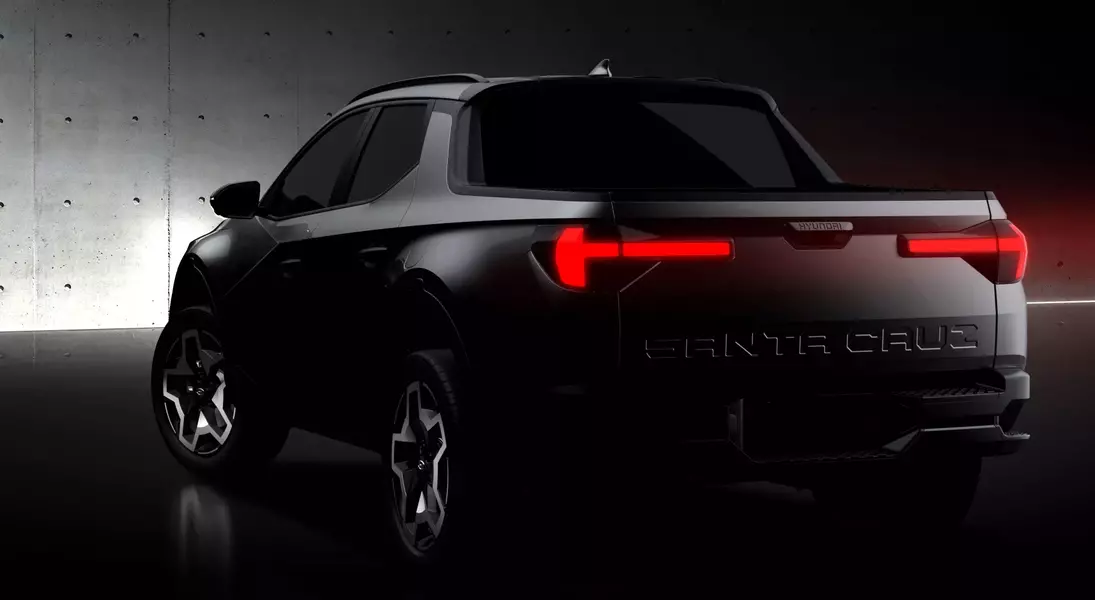
Hyundai is poised to enter the fiercely competitive midsize pickup truck market with an all-new, more rugged offering, challenging the dominance of models like the Toyota Tacoma and Ford Ranger. This strategic move aims to overcome the modest sales performance of its current Santa Cruz model, signaling a significant shift towards more traditional and capable truck designs. The company is exploring advanced powertrain options and robust chassis configurations, with a target launch date set for approximately 2028. However, Hyundai acknowledges the substantial task of building credibility and customer loyalty in a segment known for its entrenched brand preferences.
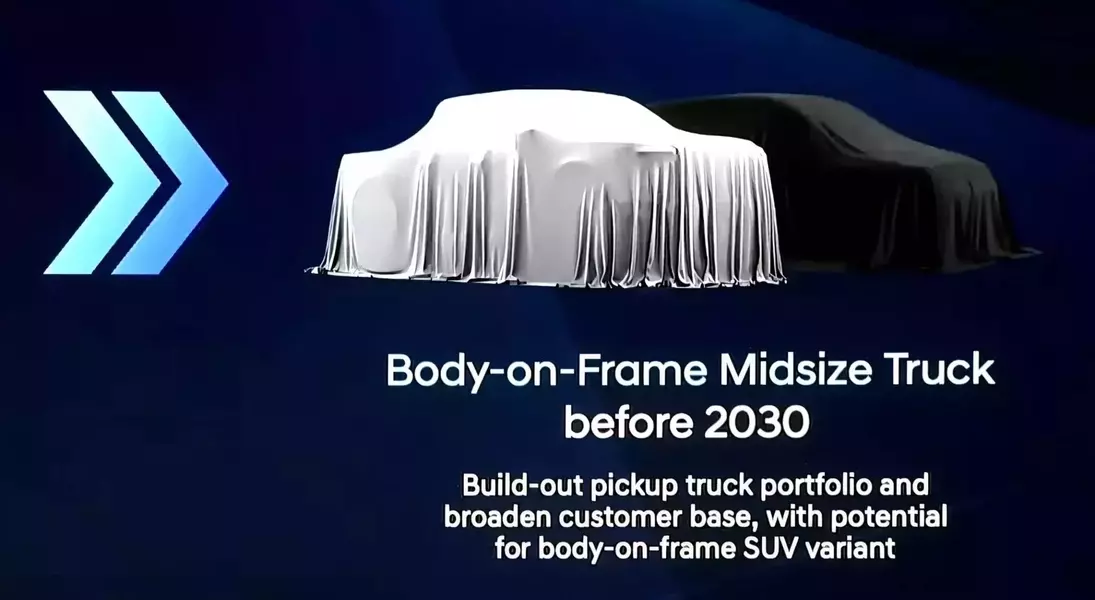
The automotive giant's ambition extends beyond a single model, as it reportedly plans a series of four new pickups by the end of the decade, alongside a complementary body-on-frame SUV. This comprehensive strategy indicates Hyundai's serious commitment to establishing a strong presence in the utility vehicle sector. Key considerations for the new pickup include adopting a body-on-frame architecture for enhanced durability and off-road prowess, differentiating it significantly from the unibody Santa Cruz. The introduction of an extended-range electric vehicle (EREV) hybrid system is also on the horizon, showcasing Hyundai's dedication to innovation and sustainability in its future truck lineup.
Hyundai's Strategic Leap into the Midsize Pickup Market
Hyundai is gearing up for a significant move into the midsize pickup segment, with plans to introduce a new truck designed to be far more robust and off-road capable than its existing Santa Cruz model. This strategic initiative targets well-established competitors such as the Toyota Tacoma and Ford Ranger. Despite the Santa Cruz's limited market success, selling considerably less than the Ford Maverick last year, Hyundai is determined to capture a larger share of the truck market. The development of this new vehicle is a complex undertaking, involving collaboration with its U.S. operations and aiming for a launch around 2028. The company is diligently working on various aspects of the truck's design and engineering to ensure its competitiveness and appeal to discerning truck buyers.
The forthcoming Hyundai pickup is expected to feature a body-on-frame construction, a departure from the Santa Cruz's unibody design, to deliver the ruggedness and durability demanded by the midsize truck segment. This fundamental design choice is critical for directly competing with ladder-frame rivals. Furthermore, Hyundai is exploring an extended-range electric vehicle (EREV) hybrid powertrain, suggesting an innovative approach to fuel efficiency and performance. There's also speculation about potential collaboration with General Motors on certain aspects, ensuring the new pickup maintains its distinct identity. The company is even considering unique features like removable roof panels, inspired by Jeep, to offer enhanced versatility and outdoor appeal. This comprehensive strategy underscores Hyundai's commitment to creating a formidable contender in the pickup truck arena.
Overcoming Market Challenges and Building Brand Credibility
Hyundai faces a substantial challenge in penetrating the midsize pickup truck market, a segment characterized by deeply ingrained customer loyalty to brands like Toyota and Ford. Despite the company's significant advancements in quality and design over the past two decades, its brand perception is not yet synonymous with rugged, off-road-ready workhorses. The task at hand is to convince loyal pickup owners, who tend to be very demanding and resistant to change, that a Hyundai truck can meet their rigorous expectations. This necessitates not only a superior product but also a sustained effort to build trust and credibility within the truck community, a process that will undoubtedly require considerable time and strategic marketing.
The experience of Kia with its Tasman pickup serves as a cautionary tale, demonstrating that even a body-on-frame construction and aggressive styling may not be sufficient to sway traditional truck buyers. Hyundai recognizes that merely having a capable vehicle isn't enough; it must also overcome decades of brand association and prove its commitment to the truck lifestyle. The projected limited growth in overall pickup volume in the coming years further amplifies the challenge, as Hyundai will be vying for a share of an already saturated market. The success of Hyundai's new pickup will ultimately hinge on its ability to deliver exceptional performance, durability, and a compelling ownership experience that can genuinely compete with the established leaders and persuade customers to reconsider their long-standing brand loyalties.
