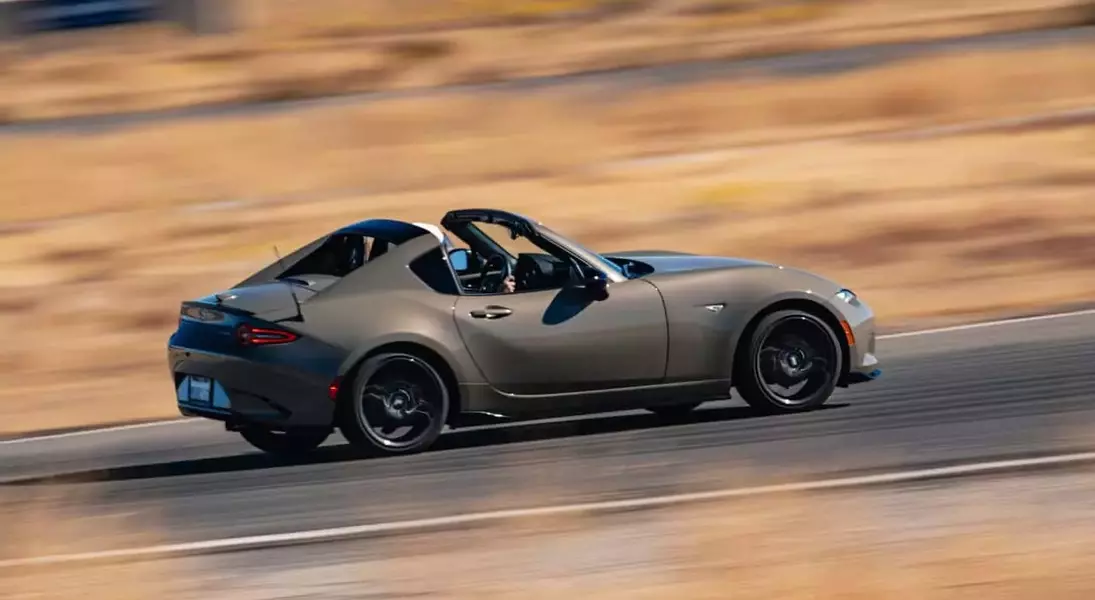
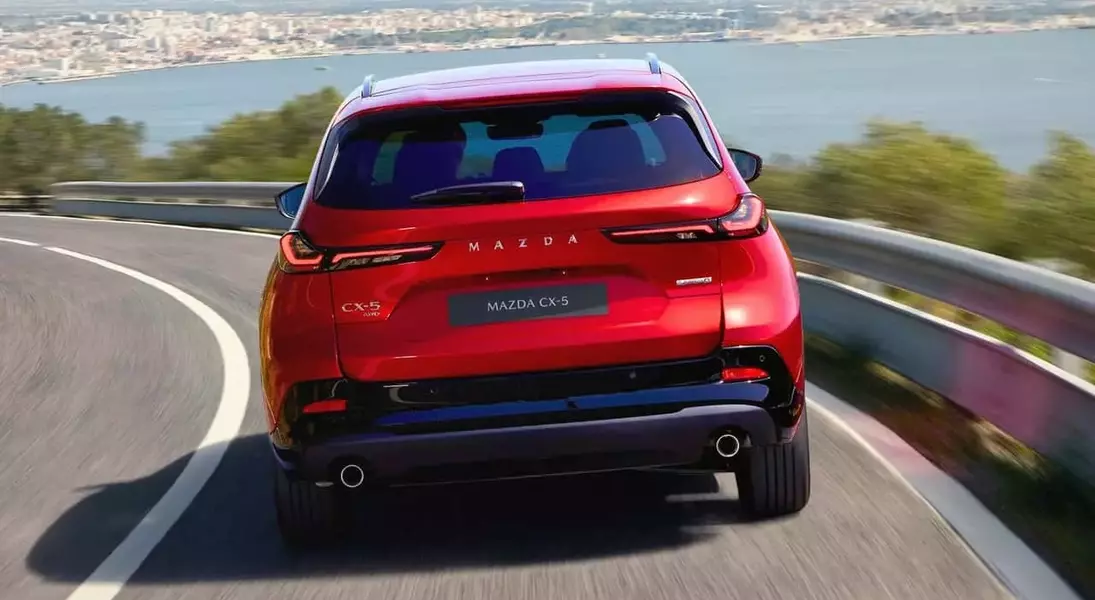

The 2026 Mazda CX-5 sets a new benchmark in its segment for handling and comfort, inheriting key dynamic characteristics from the iconic MX-5 Miata. Mazda engineers have meticulously refined the suspension system, incorporating advanced damper technology and a unique spring-to-damper relationship to deliver a ride that is both more refined and more responsive. This evolution reinforces the CX-5's position as a crossover that prioritizes driving enjoyment without compromising on everyday usability. The thoughtful integration of Miata's dynamic DNA aims to elevate the driver's connection with the road, providing a truly engaging experience.
Miata-Inspired Suspension Enhancements
Mazda has significantly upgraded the 2026 CX-5's chassis, focusing on a more sophisticated damper design and a revised suspension setup. Ruben Archilla, Mazda's senior manager of Research & Development, highlighted that these enhancements were not about altering the vehicle's core identity but rather about elevating its performance. The new dampers feature a larger piston diameter and an improved valve stack, which collectively reduce internal friction and enhance sensitivity, particularly at lower speeds. This engineering approach results in a less progressive damping curve, allowing for greater control and a more direct feel. The primary objective was to achieve a linear damping response, providing more damping force at the initial stages of movement and reduced force at higher piston speeds.
A crucial element of the CX-5's improved ride quality stems from a conceptual shift in the relationship between its springs and dampers, directly inspired by the Miata. The 2026 model now features comparatively softer springs combined with firmer dampers. Archilla noted that the Miata, known for having the lowest ride frequency among all Mazda vehicles, served as the blueprint for this design philosophy. The significantly reduced spring rate in the new CX-5 allows the vehicle to effectively absorb road imperfections, leading to a notably more comfortable and supple ride. Concurrently, an increase in damping force during initial small inputs expertly manages body posture and eliminates excessive vertical movements, ensuring precise control and stability during various driving conditions.
Enhanced Steering Feedback and Control
Beyond suspension refinements, Mazda has also dedicated efforts to enhance the CX-5's steering feel, aiming for a more analog and tactile feedback for the driver. This includes a more refined G-Vectoring Control system. This advanced system precisely reduces engine torque as the driver initiates a turn, effectively shifting weight to the front tires. This strategic weight transfer improves front-tire grip and responsiveness, creating a more direct and engaging steering experience. The system also generates a stronger force feedback through the steering wheel, further immersing the driver in the driving process.
A novel aspect introduced in the 2026 CX-5 to further sharpen steering precision is the subtle preloading of the torque coupling within its all-wheel-drive system. This intelligent mechanism endeavors to synchronize the rotational speed of both front and rear tires, promoting a more stable and predictable straight-line trajectory. The resulting self-aligning torque, which translates into increased force delivered through the steering column, coupled with a deliberate reduction in damping within the electric power steering assist system, profoundly elevates the steering feel. This combination provides a driving experience characterized by a more genuine, direct tactile response and a lighter steering effort, simplifying maneuverability and augmenting overall driving pleasure, as articulated by Archilla.
