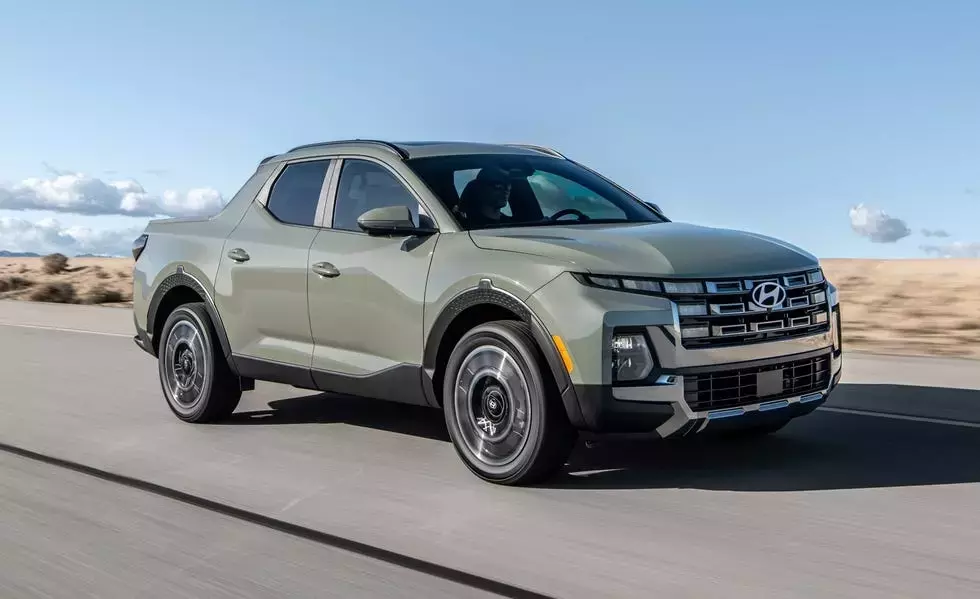
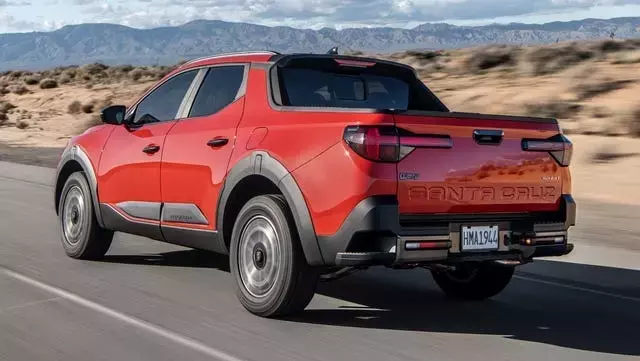
Hyundai is reportedly ending production of its Santa Cruz compact pickup truck. This move comes as the vehicle has struggled to gain significant market share, particularly when compared to its main competitor, the Ford Maverick, which saw sales figures six times higher than the Santa Cruz in 2025. Despite the challenges in the compact segment, Hyundai is already looking ahead, with plans to introduce a larger, more robust mid-size body-on-frame truck by the end of the current decade, signifying a strategic shift in its pickup truck offerings.
Hyundai Shifts Strategy: Santa Cruz Phase-Out and Future Mid-Size Truck Ambitions
According to a recent report from Automotive News, Hyundai is set to phase out the Santa Cruz compact pickup from its production lines earlier than initially anticipated. This decision, driven by underwhelming sales performance and an oversupply of inventory, signals a pivot in the automaker's North American truck strategy. In the calendar year 2025, the Santa Cruz recorded sales of 25,499 units, a stark contrast to the 155,051 units sold by its direct rival, the Ford Maverick. This significant disparity led to an estimated five months' worth of Santa Cruz inventory by the end of the year, prompting Hyundai to scale back production in the first quarter of 2026.
The Santa Cruz, a unibody vehicle derived from the Tucson crossover platform, has faced an uphill battle in a highly competitive market. Looking to the future, Hyundai has confirmed its intention to introduce a larger, body-on-frame mid-size truck by the close of the decade. This forthcoming model is expected to contend with established players such as the Ford Ranger, Toyota Tacoma, and Chevrolet Colorado. While specifics remain under wraps, it is anticipated that Hyundai's new mid-size offering will share components with the Kia Tasman, a body-on-frame pickup launched in late 2024, hinting at a potential expansion into a body-on-frame SUV variant, drawing parallels to the Tacoma/4Runner relationship in Toyota's lineup.
The discontinuation of the Hyundai Santa Cruz serves as a compelling case study in market dynamics and strategic adaptation within the automotive industry. It underscores the intense competition in the pickup truck segment, where brand loyalty and established market presence play crucial roles. Hyundai's decision to transition from a compact unibody pickup to a more traditional mid-size body-on-frame truck highlights a recognition of market demands and a proactive approach to repositioning its product portfolio. This move could allow Hyundai to tap into a different customer base and compete more effectively against dominant players, signaling a bold new direction for the brand's truck aspirations.
