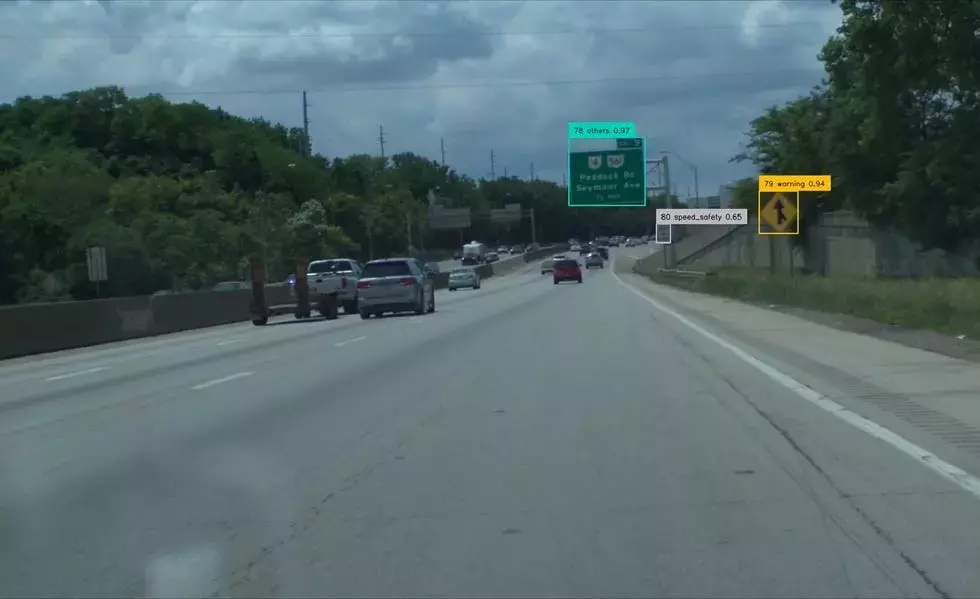
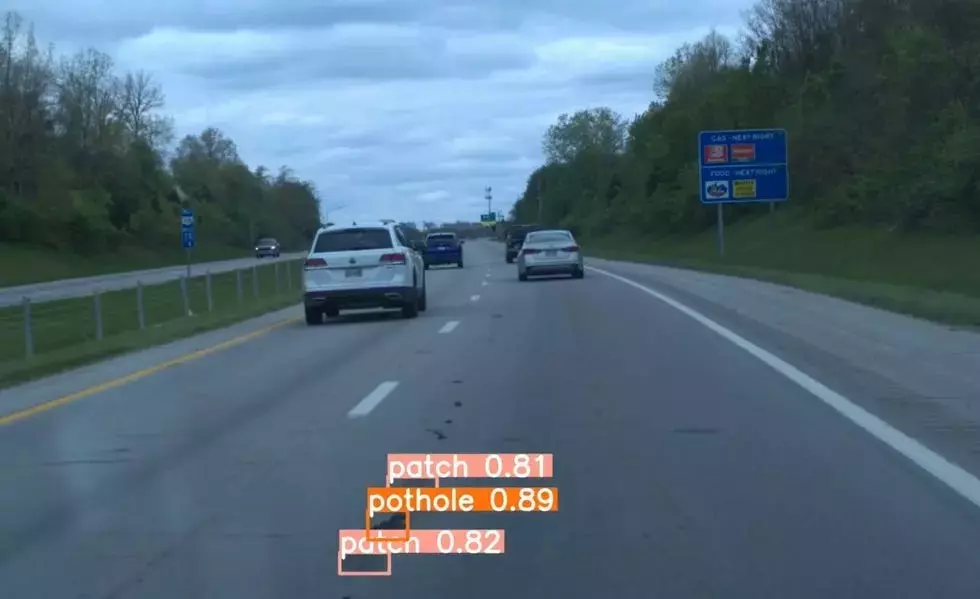
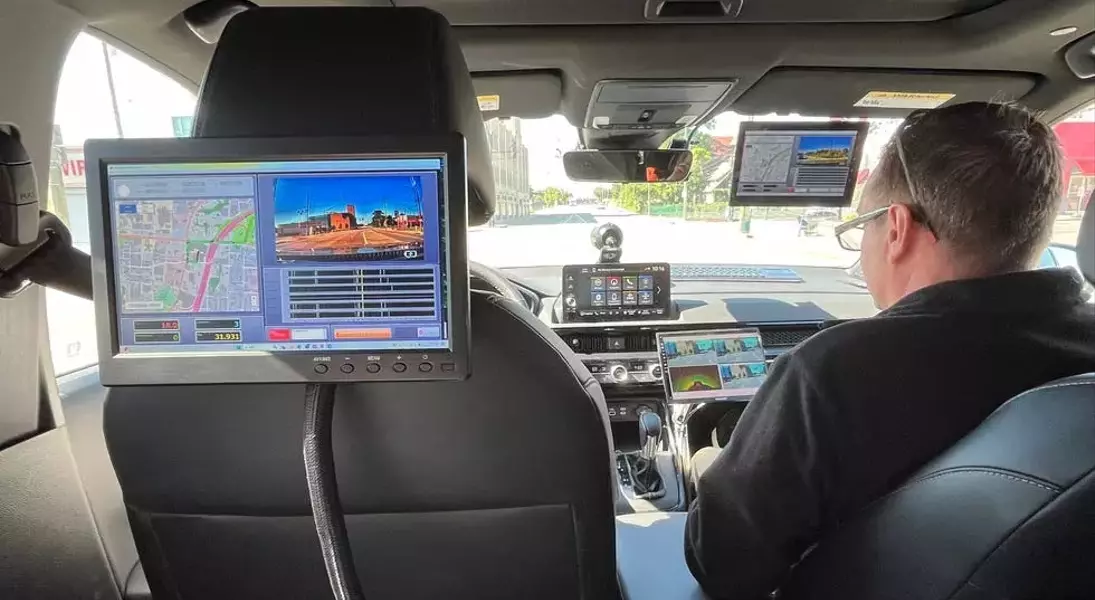
Honda has recently concluded a groundbreaking pilot program in collaboration with the Ohio Department of Transportation (ODOT), the University of Cincinnati, and i-Probe Inc., Parsons. This initiative harnesses the power of in-car sensors to detect various road defects, offering a glimpse into the future of proactive road maintenance. The system, tested extensively across 3000 miles of Ohio's roadways, achieved remarkable accuracy in identifying issues like potholes, damaged guardrails, and compromised road signage, promising a more efficient and safer transportation infrastructure.
Advancing Road Safety Through Innovative Sensor Technology
Honda's recent pilot program, a collaborative effort with the Ohio Department of Transportation (ODOT), the University of Cincinnati, and technology partner i-Probe Inc., Parsons, marks a significant step forward in ensuring safer roadways. The initiative successfully utilized onboard vehicle sensors to identify various road defects, including potholes, damaged guardrails, and compromised road signs. This innovative system was put to the test across approximately 3000 miles of Ohio roads, demonstrating its potential to revolutionize how road maintenance is approached and executed. The project's success lies in its ability to accurately detect and flag issues, providing real-time data that can lead to more timely repairs and, ultimately, enhanced road safety for all commuters.
The core of this groundbreaking system involves equipping Honda test vehicles with advanced camera and lidar sensors. These sensors collect detailed data on the condition of the road surface and surrounding infrastructure. Once gathered, this data is then transmitted to the Ohio Department of Transportation, where it is analyzed to identify specific areas requiring attention. The Proactive Roadway Maintenance System showcased an impressive 89% accuracy rate in detecting potholes and an even higher precision for identifying damaged guardrails and road signs. By leveraging artificial intelligence (AI) tools, the system continuously refines its detection capabilities, minimizing errors and ensuring a high level of reliability. This proactive approach allows transportation authorities to allocate resources more effectively, targeting repairs to the most critical areas and significantly improving the overall efficiency of maintenance operations.
The Economic and Operational Impact of Proactive Maintenance
The implementation of Honda's Proactive Roadway Maintenance System carries substantial economic and operational benefits for state transportation departments. By enabling the Ohio Department of Transportation to receive real-time data on road conditions, the system allows for a more targeted and efficient allocation of maintenance resources. This shift from reactive repairs to proactive interventions is projected to yield significant annual savings, potentially up to $4.5 million. Such financial efficiencies can then be reinvested into other crucial infrastructure improvements, leading to a more robust and well-maintained road network. The continuous flow of data from vehicles transforms everyday commutes into valuable data collection opportunities, enhancing the overall quality and safety of public roads without additional manual inspections.
Beyond the immediate cost savings, the integration of this data into ODOT's planning and maintenance schedules signifies a forward-looking approach to infrastructure management. The system allows for quicker identification of hazards, reducing the time between a defect appearing and its repair. This not only prevents further damage to vehicles but also significantly decreases the risk of accidents caused by poor road conditions. As more vehicles adopt similar sensor technologies, the collective data can create a comprehensive and dynamic map of road health, allowing for predictive maintenance and strategic planning. The success of this pilot program in Ohio demonstrates a viable model for other states and regions, paving the way for a future where road maintenance is not just responsive but intelligently anticipatory, driven by advanced automotive technology and collaborative public-private partnerships.
