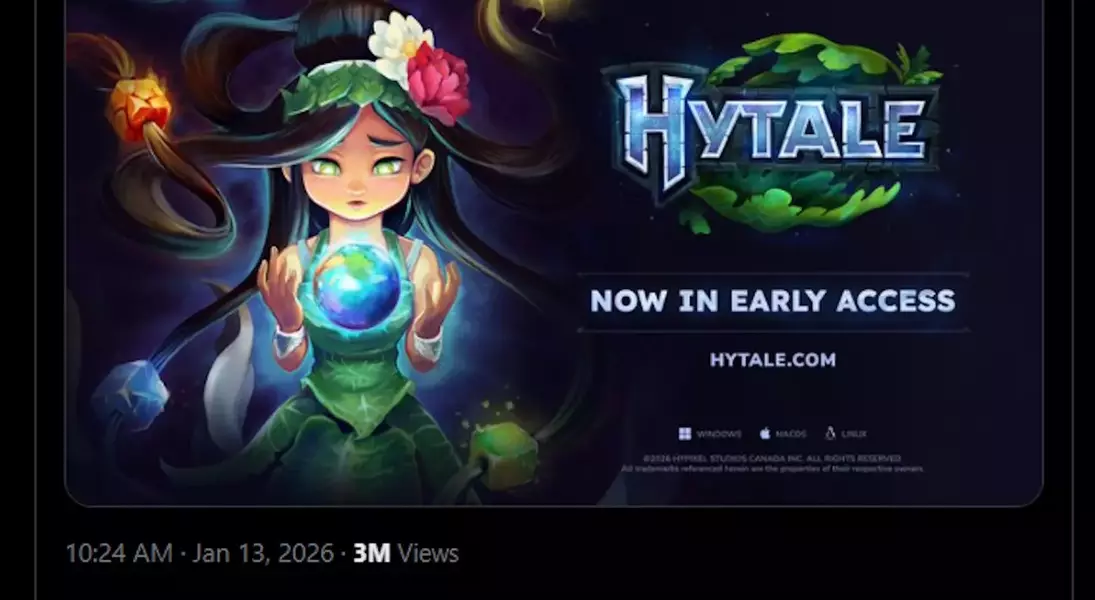
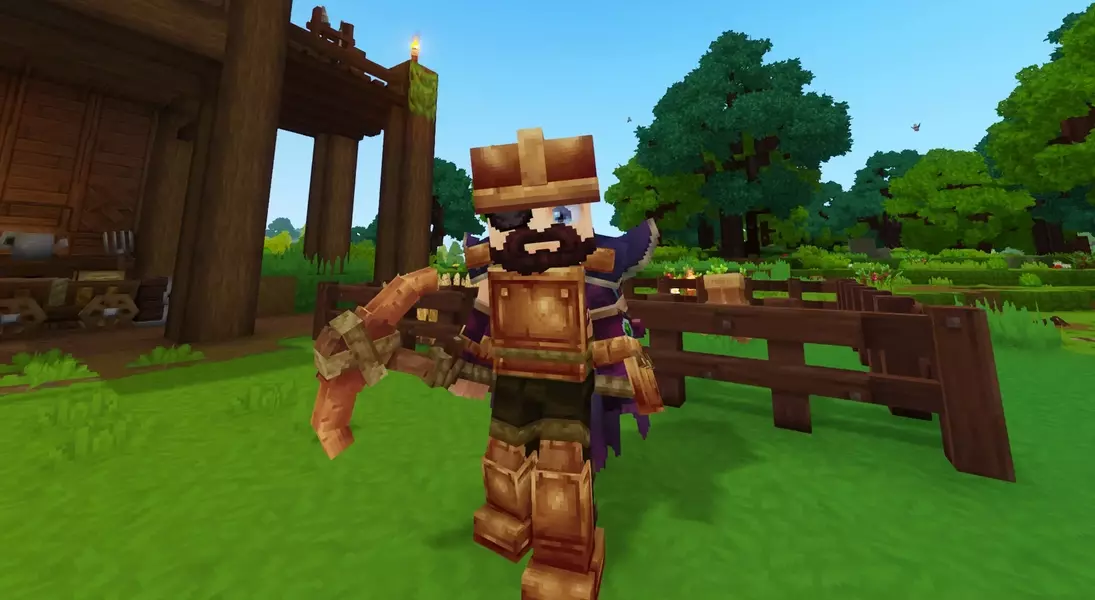
The gaming world has witnessed a compelling saga unfold with the adventure sandbox title Hytale. After a period fraught with development challenges and a dramatic cancellation by Riot Games, the game has triumphantly entered its early access phase. This resurgence, spearheaded by co-founder Simon Collins-Laflamme, not only defies expectations but also marks a significant milestone for the much-anticipated game.
Hytale's Phoenix-Like Rise to Early Access
Hytale, a game whose development journey has been anything but smooth, recently celebrated its early access launch, a moment recognized even by League of Legends creator, Riot Games. Riot's brief, yet notable, congratulatory message on X was met with a respectful acknowledgment from Hytale, signifying a complex past relationship between the two entities.
In a significant turn of events, Riot Games, which had acquired Hypixel Studios in 2020, decided to cease development of Hytale and shut down the studio, expressing doubts about fulfilling the game's initial promise. This decision left many fans disheartened, and the future of Hytale seemed uncertain. However, through diligent negotiations, Simon Collins-Laflamme, a co-founder of Hypixel, successfully reacquired the game's intellectual property from Riot.
Remarkably, within two months of its reacquisition, Hytale launched into early access, immediately captivating a massive audience. While specific player numbers are not available due to its absence from platforms like Steam, the game achieved over 420,000 concurrent viewers on Twitch upon its launch, becoming the most-watched game on the platform. This impressive debut underscores the significant pent-up demand and community enthusiasm for Hytale.
Furthermore, Collins-Laflamme announced just before the launch that Hytale had secured two years' worth of development costs through pre-purchases, demonstrating strong financial backing directly from its player base. Despite the founder's humble assessment that the game "isn't good yet," initial impressions from critics, such as Chris Livingston of PC Gamer, suggest that the early access version, though incomplete, is functionally sound and enjoyable.
Riot Games' subdued congratulatory note, reminiscent of a reluctant acknowledgment, suggests a mixed sentiment regarding Hytale's success. However, their decision to sell the game back to its creators, rather than retaining it in a dormant state, has been viewed as a commendable gesture. This move aligns with Riot's recent strategic shift to refocus on its core titles like League of Legends, stepping back from broader publishing ambitions. This episode ultimately highlights a story of resilience, community support, and a collaborative spirit within the gaming industry, where a beloved project was given a second chance.
The journey of Hytale offers a powerful lesson in perseverance and the vibrant potential of community-driven passion. It demonstrates that even when facing significant setbacks and the daunting challenges of game development, a strong vision and dedicated creators can resurrect a project and achieve remarkable success. Moreover, Riot Games' decision to return the IP to its originators speaks to a broader, more mature understanding within the industry: that sometimes, the best outcome for a game lies in the hands of those who first conceived it. This narrative not only inspires but also showcases the dynamic and unpredictable nature of the creative process in the digital entertainment sphere.
