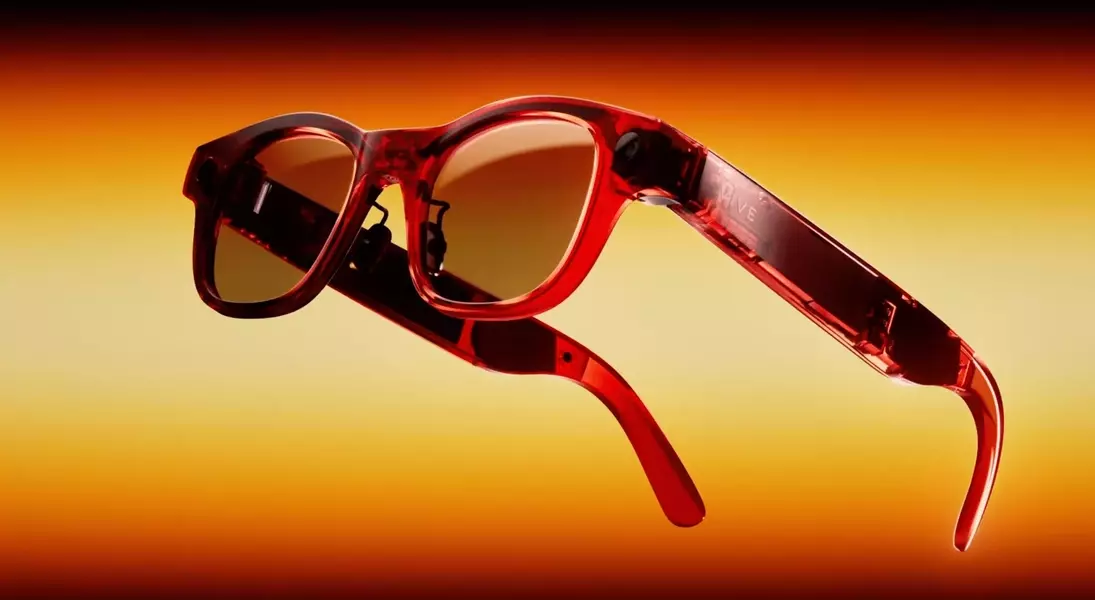
In a rapidly evolving landscape where tech giants are racing to define the future of wearable technology, HTC has unveiled its contender in the smart glass sector. The new Vive Eagle glasses are poised to challenge existing market leaders by integrating advanced artificial intelligence capabilities directly into a stylish, lightweight form factor. This strategic move highlights HTC's ambition to carve out a significant niche in the highly competitive AI wearables market.
Introducing the HTC Vive Eagle: A New Era of AI-Powered Vision
On a significant day, August 14, 2025, HTC officially launched its groundbreaking Vive Eagle smart glasses in Taiwan, marking a pivotal moment in the wearable technology industry. The glasses, presented in various frame colors including red, brown, gray, and black, come equipped with Zeiss sun lenses and are designed for both aesthetic appeal and practical utility. At the core of the Vive Eagle is a sophisticated AI voice assistant, alongside a 12MP ultrawide camera and integrated speakers, enabling a suite of innovative features. Users can leverage the AI to effortlessly translate visual text into 13 different languages, a feature poised to revolutionize travel and international communication. Beyond translation, the glasses empower wearers to set vocal reminders, capture quick notes, and even receive personalized recommendations for local attractions and dining, drawing parallels with the popular functionalities found in Meta's Ray-Ban and Oakley smart glasses. With a feather-light design, tipping the scales at just 49 grams, the Vive Eagle glasses are engineered for comfort during extended wear, positioning them as a direct and formidable rival to current market offerings. Priced at an accessible $520 USD, their potential global expansion, particularly into North American and European markets, remains a topic of keen interest and speculation within the tech community.
The emergence of the HTC Vive Eagle smart glasses ignites a fascinating dialogue about the trajectory of personal technology. As a journalist, I find it compelling to witness how companies like HTC are not just following trends but actively contributing to the definition of what smart wearables can achieve. The integration of a multilingual AI assistant directly into eyewear speaks volumes about the future of seamless, augmented reality experiences. It prompts us to consider the profound implications for accessibility, global communication, and how we interact with information in our daily lives. This development suggests a future where technology becomes less of a separate device and more of an intuitive extension of our natural senses, blurring the lines between the digital and physical worlds. As consumers, this innovation challenges us to imagine new possibilities and demands that we thoughtfully consider the role of such pervasive AI in our personal spheres.
