A revolutionary partnership between Envision and Solos has culminated in the creation of the Ally Solos Glasses, a groundbreaking advancement poised to transform daily life for individuals with visual impairments. These smart glasses leverage sophisticated artificial intelligence to provide real-time environmental interpretation, offering unprecedented levels of independence and accessibility. The device's impressive capabilities, combined with its ergonomic design, mark a significant step forward in assistive technology, promising a more connected and perceptive world for its users.
Cutting-Edge Smart Eyewear Unveiled for Enhanced Visual Accessibility
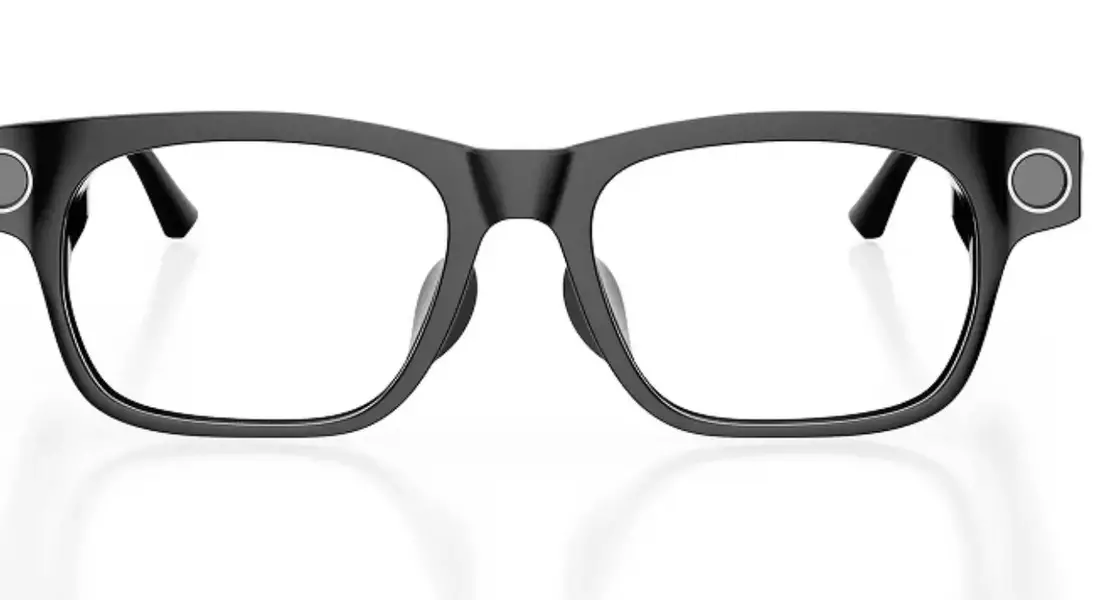
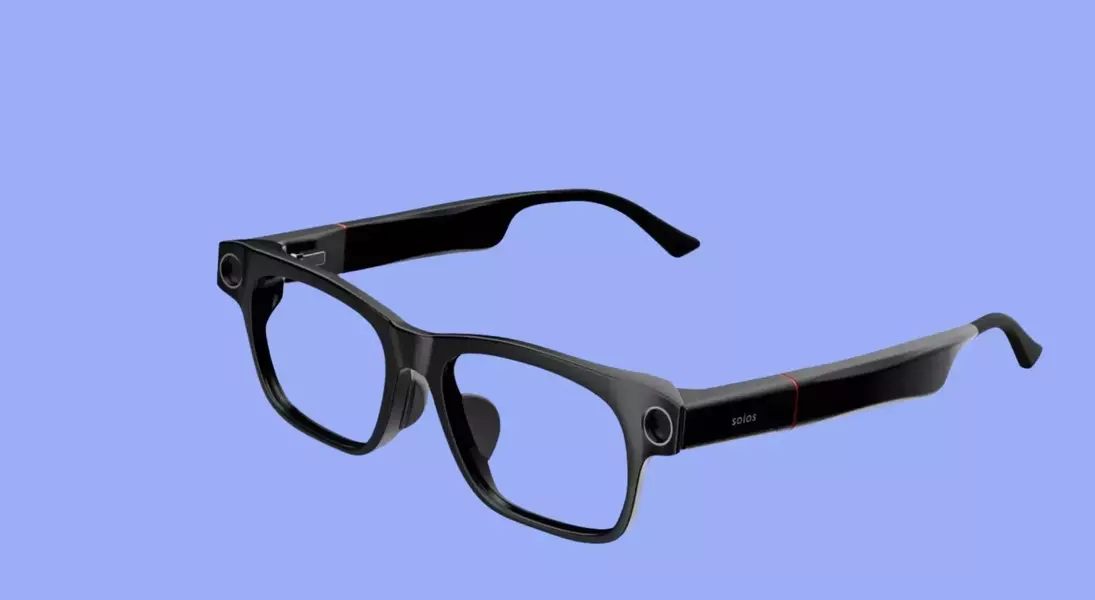
In a significant stride for assistive technology, the pioneering company Envision has joined forces with eyewear innovator Solos to introduce the groundbreaking Ally Solos Glasses. These state-of-the-art smart glasses, specifically engineered for the blind and low-vision community, were officially launched for pre-order on August 14, 2025. Featuring integrated cameras and driven by Envision's advanced Ally AI assistant, these glasses offer a suite of transformative functionalities. Users will experience the world through auditory descriptions, as the device can accurately interpret and vocalize text, delineate surroundings, facilitate web searches, and identify individuals, objects, and various signs. This vital information is seamlessly conveyed through discreet open-ear speakers embedded within the ear stems of the glasses.
The Ally Solos Glasses are currently available for pre-order at an introductory price of $399, a substantial reduction from their standard retail cost of $699. Consumers have the option to select from two frame sizes, regular and large, and a palette of sophisticated colors including classic black, contemporary gray, and warm brown. Anticipation builds as initial shipments for these pre-orders are projected to commence in October 2025.
These innovative glasses are meticulously constructed upon the established framework of the AirGo Vision glasses, which Solos initially unveiled in December. While the AirGo Vision previously incorporated OpenAI's GPT-4o AI model for its visual recognition features, the Ally Solos Glasses differentiate themselves by integrating Envision's bespoke Ally AI assistant. This intelligent assistant is a fusion of multiple foundational AI models, including Meta's Llama, OpenAI's ChatGPT, Google's Gemini, and Perplexity, as detailed on the official Ally website, ensuring a comprehensive and robust interpretive capability.
Connectivity is streamlined through Bluetooth, linking the glasses to the Ally application available on both iOS and Android platforms. Designed for durability and practicality, the glasses boast a robust IP67 rating, providing significant resistance against dust and water ingress. Powering these functionalities are USB-C rechargeable ear stems, which deliver an impressive 16 hours of continuous active use on a single charge. A complete recharge takes approximately 90 minutes, with a rapid 15-minute charge providing approximately three hours of extended battery life.
The integration of accessibility features into smart eyewear is not a nascent concept. Envision has previously developed assistive glasses utilizing the now-discontinued Google Glass platform. Similarly, the AI-driven vision interpretation capabilities embedded within Ray-Ban Meta smart glasses have already garnered considerable positive feedback within the low-vision community. However, a key consideration for consumers will be the pricing of the Ally Solos Glasses. At $699, or even the discounted pre-order price of $399, they represent a significantly higher investment compared to more budget-friendly alternatives like the $299 AirGo Vision and Ray-Ban Meta models. The market will undoubtedly observe how the Ally Solos Glasses' advanced features and performance stack up against these more affordable competitors.
The debut of the Ally Solos Glasses marks a profound moment in the ongoing evolution of assistive technology. As a journalist covering the intersection of innovation and human experience, I am inspired by the potential for these smart glasses to unlock new dimensions of independence for visually impaired individuals. While the price point may be a barrier for some, the capabilities these glasses offer—from environmental awareness to textual comprehension—are truly transformative. This advancement underscores a critical shift towards more integrated and intelligent solutions for accessibility, reminding us that technology's true power lies in its ability to empower and uplift every member of society. It challenges us to imagine a future where the digital and physical worlds seamlessly merge to cater to diverse human needs, fostering a truly inclusive environment.
