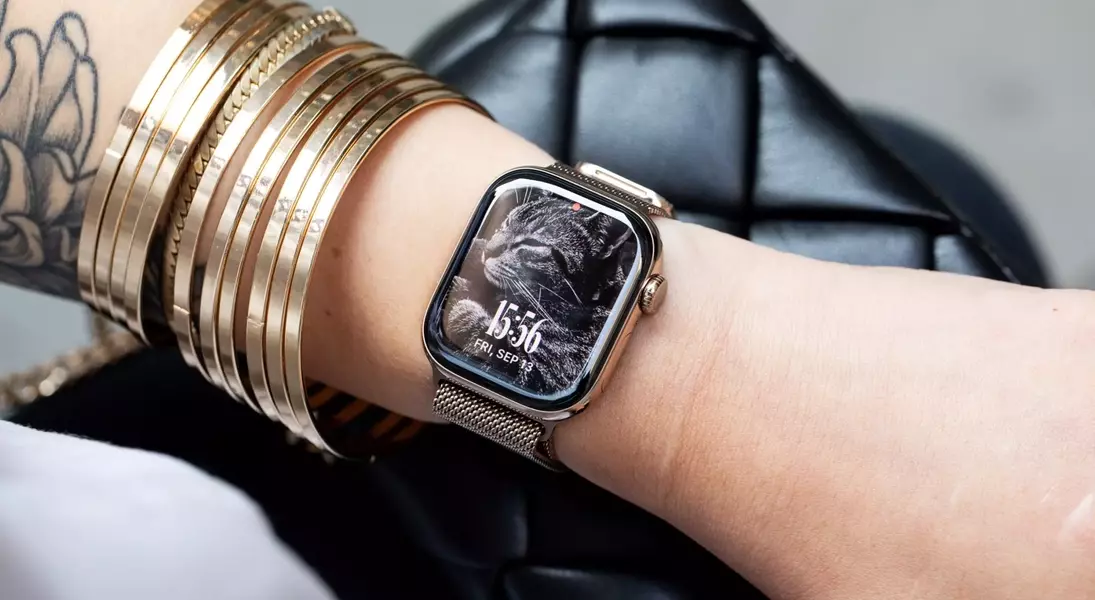
Apple has successfully navigated past a recent import restriction by reintroducing its blood oxygen monitoring functionality to its most recent smartwatch iterations, specifically the Apple Watch Series 9, the forthcoming Series 10, and the Ultra 2. This move comes in the wake of a legal dispute that led to a temporary halt in the sale of these devices. The company's innovative software solution now allows the smartwatches to collect blood oxygen data, which is then processed and made accessible via the paired iPhone's Health application. This strategic adjustment ensures compliance with regulatory mandates while restoring a key health feature to consumers in the United States.
The return of the blood oxygen feature is facilitated by a software update, which Apple is progressively rolling out. This modification cleverly shifts the data processing for blood oxygen levels from the watch itself to the connected iPhone. Consequently, while direct viewing of this data on the smartwatch is no longer possible, users can still access comprehensive information within their iPhone's Health application, specifically under the Respiratory section. This ingenious approach has garnered approval from US customs authorities, permitting Apple to resume the import and sale of the affected Apple Watch models in the region.
It's important to note that this revised blood oxygen monitoring system is exclusively applicable to Apple Watch units acquired after January 17th, 2024, the date when the International Trade Commission's import prohibition became fully effective. Older models, or those distributed outside the US, remain unaffected and continue to operate with the original blood oxygen feature. Users can identify a device covered by this update by examining its serial number, which for relevant models will conclude with 'LW/A.' To activate this refreshed functionality, owners of the Series 9, Series 10, and Ultra 2 models are required to update their smartwatches to watchOS 11.6.1 and their iPhones to iOS 18.6.1.
This development unfolds against the backdrop of an ongoing legal battle between Apple and Masimo, a company specializing in medical devices and known for its pulse oximetry technology. Masimo initiated legal proceedings in 2020, asserting that Apple had misappropriated trade secrets and infringed upon its patents. This culminated in an ITC import ban imposed in December 2023. Apple, in turn, has filed counter-suits against Masimo concerning its smartwatches, alleging them to be imitations of the Apple Watch, and has also lodged a substantial 916-page appeal against the ITC's ban, a process that is still active. Masimo's pertinent patents are scheduled to expire in 2028.
The reintroduction of this critical health metric underscores Apple's commitment to delivering advanced features while navigating the complexities of intellectual property disputes. The software-centric workaround demonstrates a creative solution to a challenging legal and technological hurdle, ensuring that Apple Watch users can continue to benefit from essential health tracking capabilities.
