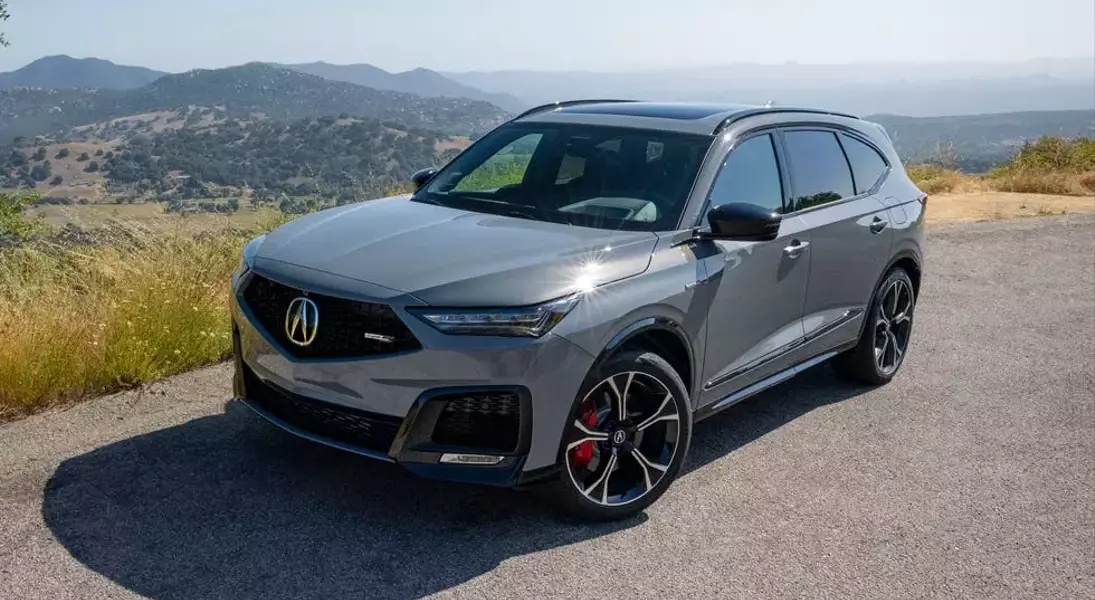
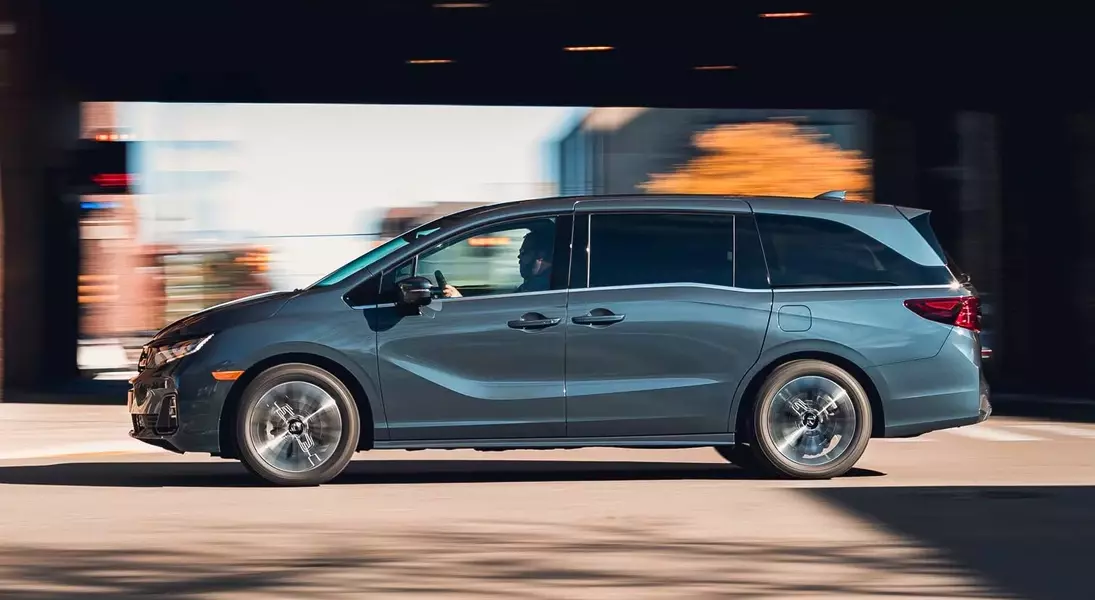
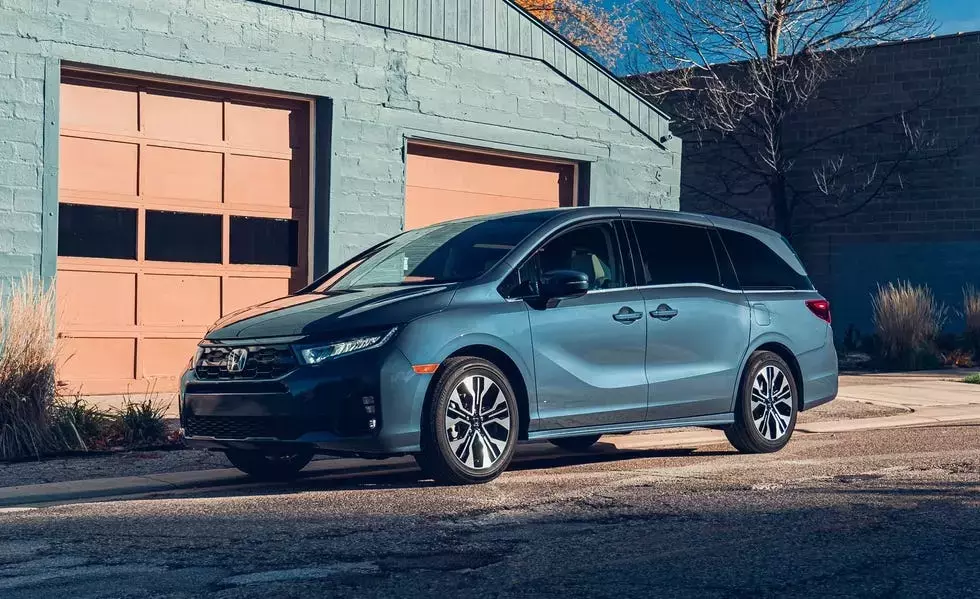
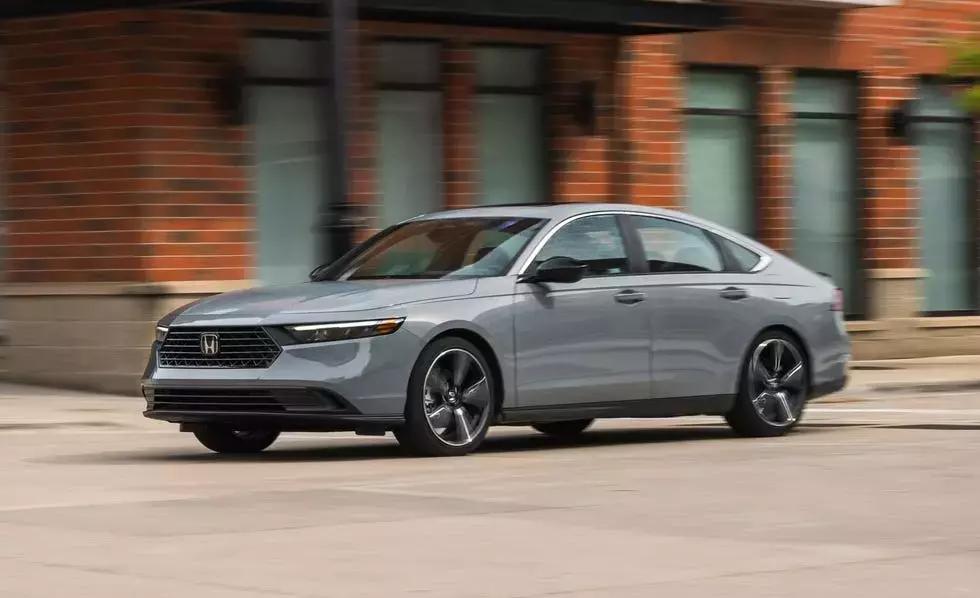
A recent report from Automotive News reveals that Honda is postponing the introduction of new generations for several prominent models, a move that follows the company's prior decision to scrap three electric vehicle initiatives. This strategic shift will impact popular vehicles from both Honda and its upscale division, Acura, with redesigns for models like the Odyssey minivan, Accord sedan, and HR-V SUV, along with Acura's MDX and Integra, now pushed back until the next decade. The manufacturer had previously incurred a substantial financial impact from discontinuing its 0-series SUV, 0-series Saloon, and Acura RSX EV plans after investing heavily in retooling facilities.
The extended timelines for these models suggest a reevaluation of future product development. For instance, the Odyssey minivan, last significantly updated for the 2018 model year, will not see its next iteration until March 2030. Similarly, the Accord, which entered its current generation in 2023, is not expected to be redesigned until at least early 2030, with speculation pointing towards a potential all-hybrid lineup for the model. The HR-V SUV's next generation is also delayed until early 2032. Acura's lineup faces even more pronounced delays; the MDX, its top-selling vehicle, is now scheduled for a new generation in early 2031, meaning the current version will be nearly a decade old. The Integra's production will also extend until March 2032, without an immediate successor outlined.
While Honda has not officially commented on specific future product plans, a company representative emphasized confidence and excitement in their product strategy, highlighting an intention to expand their award-winning hybrid technology across more models. This indicates a potential pivot towards hybrid powertrains as an interim solution or a long-term focus, especially after the setbacks in their electric vehicle development. The decision to maintain current models, like the Odyssey, also reflects a desire to retain customer loyalty and prevent migration to competing brands.
This period of adjustment presents both challenges and opportunities for Honda and Acura. By carefully recalibrating their product development, the brands can leverage existing successes and refine their approach to future mobility, ensuring sustained relevance and innovation in a rapidly evolving automotive landscape. Such strategic patience can lead to more robust and well-received next-generation vehicles, particularly as hybrid technologies continue to advance and gain market traction.
