


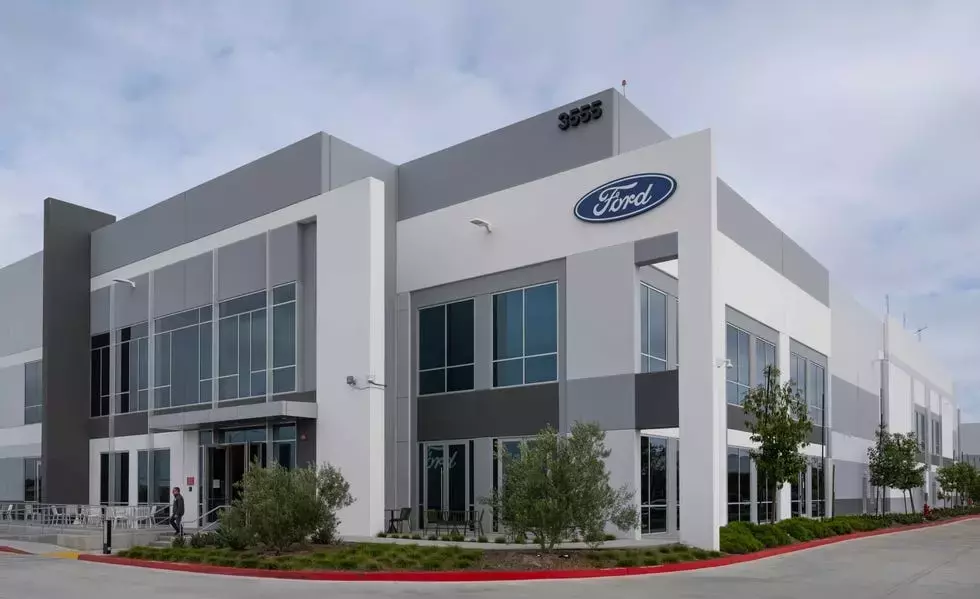
Ford is making significant strides in the electric vehicle market, with a strong focus on developing affordable and innovative models. The company recently provided a select group of journalists with an exclusive, albeit brief, look at its forthcoming electric mid-size pickup truck. This vehicle, anticipated to hit the market next year with an estimated price point of $30,000, represents a pivotal step in Ford’s electrification strategy. The preview took place at Ford's state-of-the-art Electric Vehicle Development Center in Long Beach, California, a facility designed to integrate all facets of EV creation, from initial design to rigorous testing. This strategic location also aims to attract leading talent from California's vibrant tech and automotive industries, fostering a collaborative environment for rapid innovation.
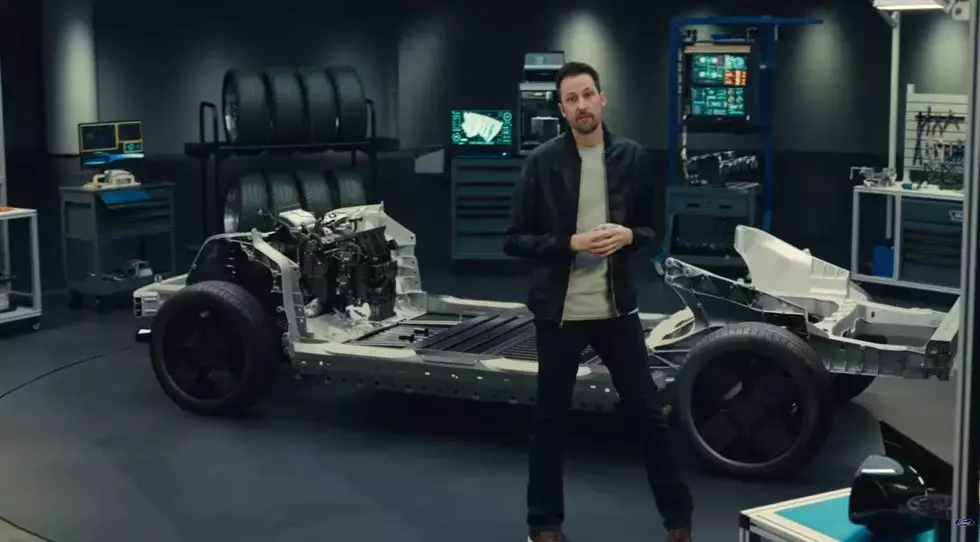
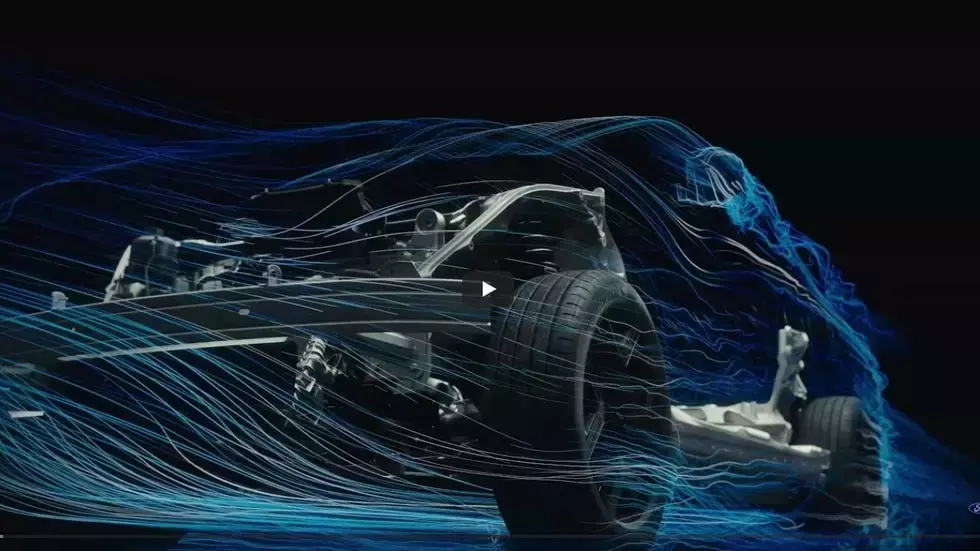
A key highlight of Ford's approach is the Universal Electric Vehicle (UEV) platform, which underpins this new pickup and will serve as the foundation for a diverse range of future electric models. This platform emphasizes a modular design, incorporating large cast components that facilitate both efficient manufacturing and enhanced repairability. Journalists observed the UEV platform's core components and a camouflaged development mule of the pickup, confirming its traditional truck-like appearance. Ford's commitment to repairability addresses common concerns about EV maintenance costs, with design features like 'cutlines' allowing for targeted repair of damaged subsections rather than costly full replacements. The development process at the Long Beach center is characterized by a rapid iteration cycle, allowing engineers to quickly test and refine designs, ensuring optimal performance and cost-effectiveness for the mass market.
Advancements in Modular Design and Repairability
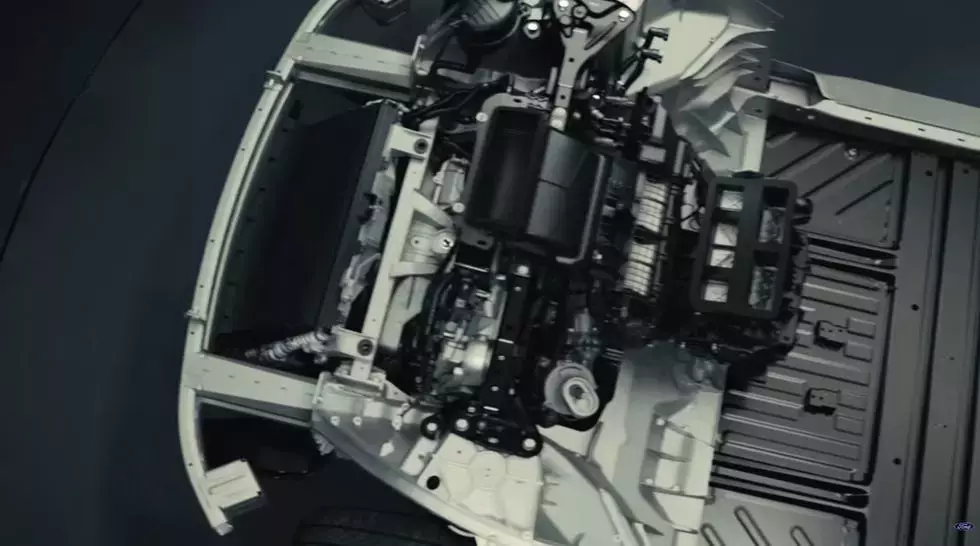
Ford's new electric mid-size pickup truck, slated for release next year, promises to combine traditional pickup aesthetics with innovative EV technology. Journalists were granted a brief, camouflaged view of the vehicle at Ford's new Electric Vehicle Development Center in Long Beach, California, a facility that centralizes all aspects of EV development. The truck will be built on the Universal Electric Vehicle (UEV) platform, which features large castings for its front and rear subsections, attaching to the battery pack and subframe to create a rolling chassis. This modular approach is designed to simplify manufacturing and improve repairability, addressing concerns about the cost and complexity of EV maintenance. The facility’s collaborative environment, where design and engineering teams work closely, enables rapid prototyping and iteration, accelerating the development of efficient and cost-effective solutions.
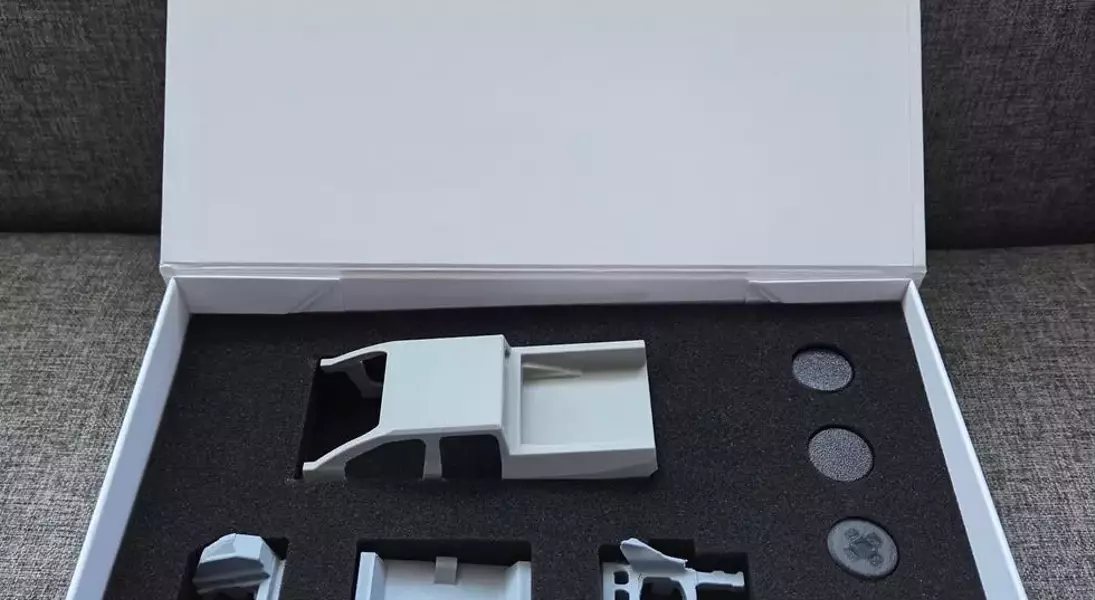
During the visit, reporters gained insights into the technical specifics of the UEV platform, particularly its modular construction. The platform utilizes large castings to form the front and rear structural elements, which then integrate with the battery pack and subframe to create a robust, rolling chassis. The vehicle's 'top hat' body structure is designed to drop onto these assembled components, simplifying the assembly process. Ford highlighted that these castings include strategically placed 'cutlines,' allowing for the targeted removal and replacement of damaged sections in the event of a collision, rather than requiring the replacement of an entire large casting. This design philosophy aims to reduce repair times and costs, making the EV more accessible and practical for owners. Furthermore, the development center's ability to rapidly prototype and test components, such as wiring harnesses and interior elements, ensures that designs are refined for efficiency and cost-effectiveness before full-scale production, embodying a 'fail fast' methodology to optimize the final product.
Strategic Innovation at Ford's EV Development Center
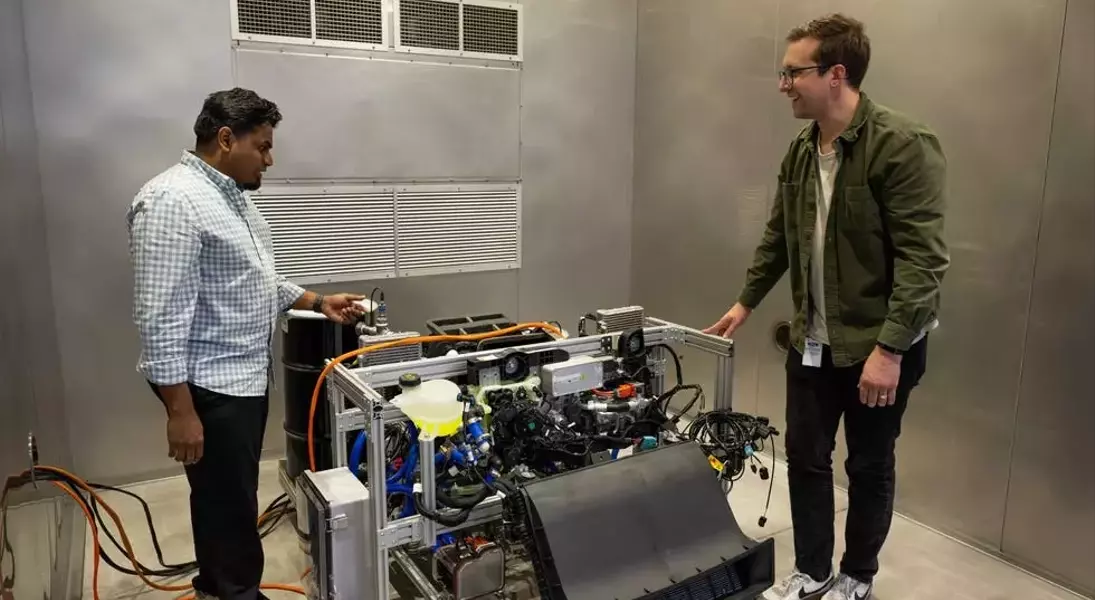
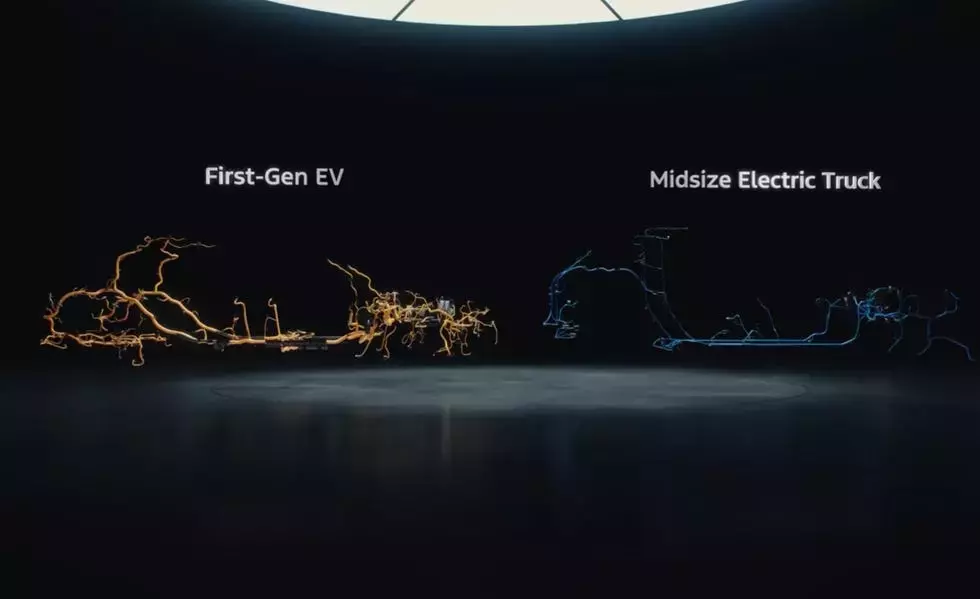
Ford's approach to its upcoming electric mid-size pickup truck, launching next year, centers on strategic innovation and cost-effectiveness, with a projected price of around $30,000. The development journey, highlighted during a press visit to the Electric Vehicle Development Center in Long Beach, California, reveals a commitment to integrating traditional design with advanced electrical systems. The center's integrated development process, which combines various engineering disciplines, allows for rapid iteration and refinement of components. For instance, the use of 48-volt electrical systems for most ancillaries, alongside traditional 12-volt systems for high-volume components, significantly reduces wiring complexity and weight, thereby lowering overall costs and improving efficiency. This holistic development strategy, from vehicle architecture to electrical systems, underscores Ford’s dedication to producing a competitive and accessible electric pickup.
The Long Beach facility serves as a hub for accelerating the development cycle, allowing engineers to quickly test and implement design modifications. A prime example is the sophisticated electrical architecture of the UEV platform, which judiciously combines 48-volt systems for major ancillaries with 12-volt systems for standard components like lights and power windows. This hybrid approach optimizes wiring harnesses by making them smaller and lighter, drastically cutting down on material costs and assembly complexity. The co-location of a wiring-harness shop enables immediate prototyping and testing of new designs, processing over 1400 requests for new components in a single year. Similarly, advancements in cost reduction extend to interior elements like seat upholstery and carpets, where software-driven patterns minimize waste during cutting. Ford's dedication to attracting diverse talent, including experts from EV startups and established automotive firms, to its California-based center further fuels this innovative environment, mirroring historical 'skunkworks' approaches that have led to groundbreaking vehicles like the Model T. This strategic focus on rapid iteration, cost-efficiency, and talent acquisition positions Ford to deliver a range of affordable and high-quality electric vehicles to the market.
