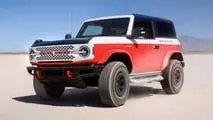
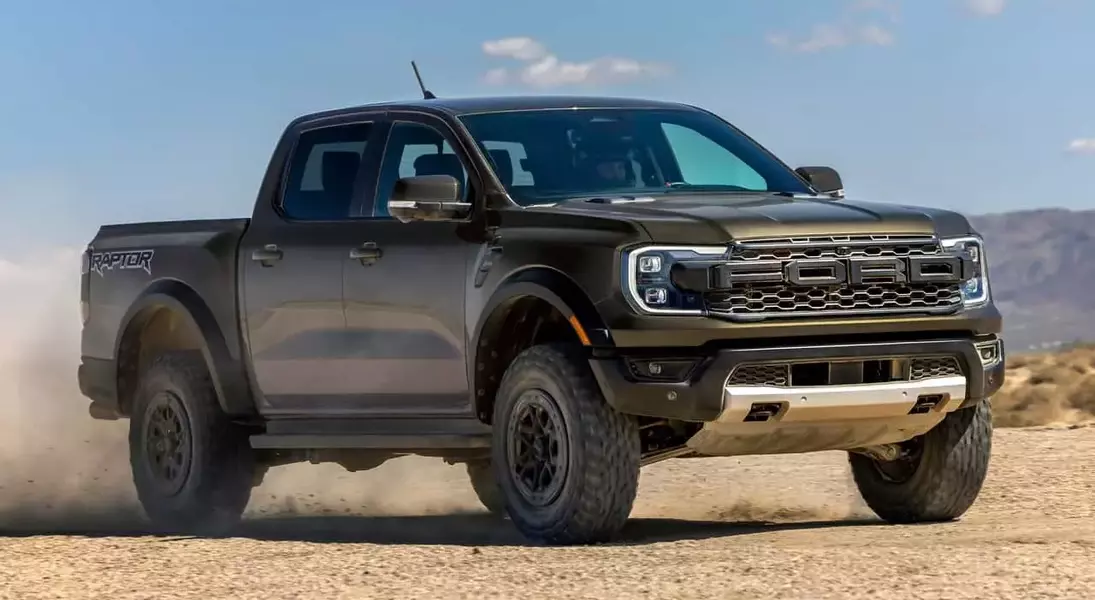
Ford has issued a significant recall affecting nearly 180,000 units of its Ranger and Bronco models, citing a defect in the front seat height-adjust pivot link bolts. This comprehensive overview details the extent of the recall, the underlying cause, and Ford's proactive measures to ensure driver and passenger safety.
Ensuring Your Safety: Ford's Commitment to Quality and Reliability
Ford's Extensive Vehicle Recall: Affected Models and Scope
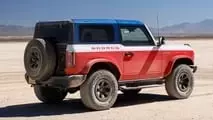
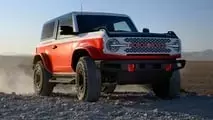
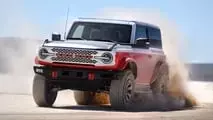
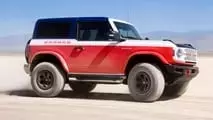
Ford Motor Company has announced a recall for 179,698 vehicles, including specific models of the Ford Bronco and Ranger. This recall targets vehicles from the 2024 to 2026 model years. The primary concern is related to the front seat height-adjust pivot link bolts, which have been identified as potentially prone to loosening or detaching from their pivot joints.
Unpacking the Root Cause: Manufacturing Flaw Identified
The core of the problem lies with a manufacturing error traced back to a supplier. Investigations revealed that a torque check was performed on the bolts prematurely, specifically before the adhesive intended to secure the fasteners had fully cured. This oversight compromised the adhesive's integrity, leading to the risk of the pivot bolts becoming loose over time and eventually disengaging from the seat's structure. This current recall echoes a similar issue in October 2025, when 163,256 Bronco vehicles from the 2021-2023 model years were recalled for an identical defect.
Monitoring and Response: Ford's Ongoing Vigilance
Following the previous recall, Ford continued rigorous monitoring of vehicles manufactured between 2024 and 2025. This vigilance paid off in March, when the company observed a discernible increase in warranty reports linked to the seat bolt issue. Despite awareness of 60 warranty claims, Ford confirmed that there have been no reported accidents or injuries directly attributable to this defect. This proactive tracking underscores Ford's commitment to vehicle safety.
The Resolution: Ford's Repair Strategy
To rectify the problem, Ford will implement a straightforward yet effective repair process. Owners of affected vehicles will be instructed to bring their vehicles to authorized dealerships. Technicians will then remove the front seats to thoroughly inspect the pivot link bolts. Should any bolts fail this inspection, they will be promptly replaced. Owners might notice symptoms such as rattling, squeaking, or a general sensation of looseness in their front seats, indicating the presence of the defect.
