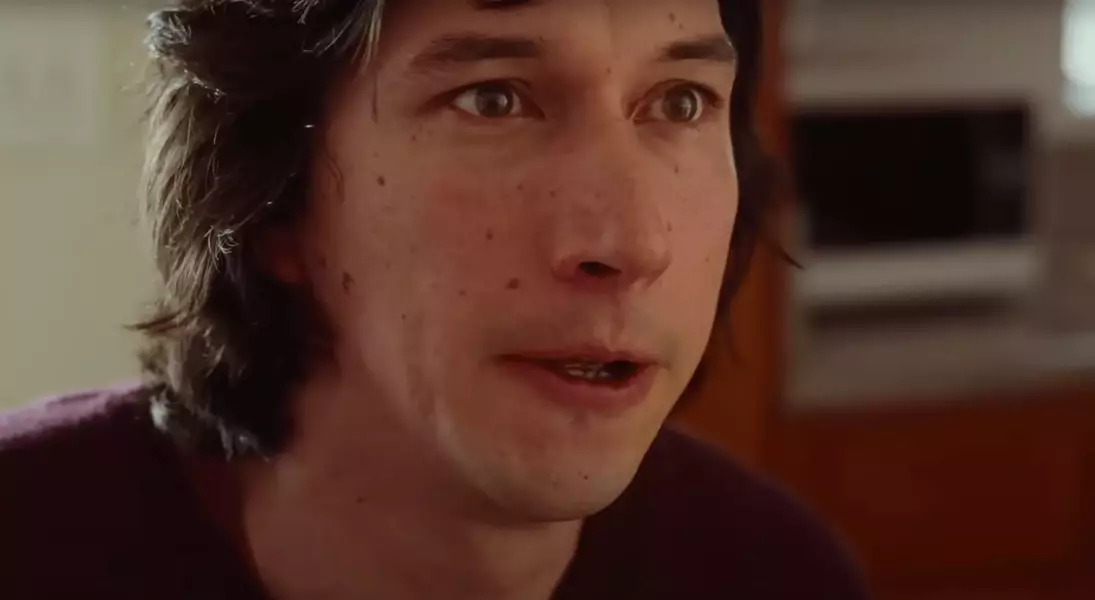
A groundbreaking approach to wildlife management sees the U.S. government utilizing dramatic cinematic audio to safeguard livestock. In an unexpected turn, the intense on-screen dispute between actors Scarlett Johansson and Adam Driver from the film 'Marriage Story' is now serving as a primary tool to deter predatory wolf populations. This innovative method, combining technology with human behavioral cues, demonstrates a creative effort to mitigate human-wildlife conflict and protect agricultural assets in the American West.
When Art Imitates Life to Protect Livestock: The Unlikely Alliance of Hollywood Drama and Wildlife Management
The Unconventional Tool: Using Cinematic Confrontation to Deter Wildlife
In a surprising development, the United States Department of Agriculture (USDA) has found an unlikely ally in its efforts to protect cattle from wolves: the intense on-screen argument between Scarlett Johansson and Adam Driver in Noah Baumbach's 2019 film, 'Marriage Story.' This unique strategy involves broadcasting the recording of their fictional marital dispute to instill a sense of fear and avoidance in wild wolf populations across the American West, aiming to teach them that human proximity signals danger.
The Rationale Behind the Roaring Deterrent
The core idea behind this unorthodox method is to create a negative association between human presence and the wolves' experience. By exposing them to the raw, unsettling sounds of a human couple in intense conflict – a scene characterized by lines such as \"You'll never be happy!\" and \"Every day I wake up and hope you're dead!\" – the USDA intends to make wolves perceive humans as a source of distress rather than potential prey opportunities. This psychological conditioning aims to naturally guide the wolves away from livestock grazing areas.
Technological Integration: Drones as Sound Delivery Systems
To effectively implement this strategy, the USDA is deploying drones equipped with speakers capable of blasting these startling audio clips. Alongside the dramatic exchanges from 'Marriage Story,' the drones also project other jarring sounds, including the rock anthem \"Thunderstruck\" by AC/DC, the explosions of fireworks, and the sharp reports of gunshots. This multi-sensory assault is designed to maximize the deterrent effect, creating an environment that wolves will instinctively seek to avoid.
Efficacy and Implications of the Novel Approach
According to reports, this experimental deterrent has shown promising results in reducing the number of cattle lost to wolf predation. Since the reintroduction of wolves in Yellowstone National Park in 1995, their population has seen a significant increase, leading to heightened concerns among ranchers. The success of this method suggests that unconventional, non-lethal approaches to wildlife management can be effective. It offers a new perspective on how human creativity, even in the form of cinematic art, can contribute to coexistence with nature.
