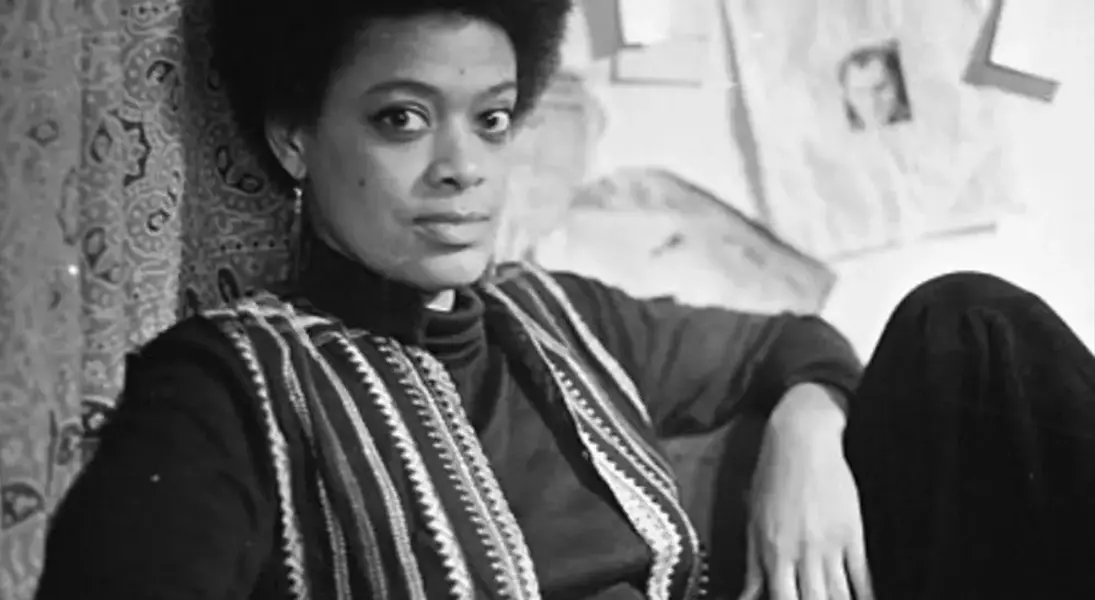
This illuminating documentary offers an unparalleled glimpse into the life and profound influence of Toni Cade Bambara, a towering figure in literature, activism, and academia. Rather than merely chronicling her achievements, the film artfully constructs a narrative that captures the very spirit of her being, presenting her through the vibrant recollections of those who shared her journey. It’s an exploration of a life dedicated to social justice and artistic expression, underscoring the enduring relevance of her contributions to global and community organizing.
A Tribute to Truth: Exploring Toni Cade Bambara's Revolutionary Spirit Through Film
Crafting a Narrative Beyond the Chronological: The Art of Biographical Storytelling
In the cinematic landscape, many biographical endeavors struggle to transcend a simple catalog of events, often reducing complex lives to a series of Wikipedia-style bullet points. However, the film dedicated to Toni Cade Bambara, helmed by Louis Massiah and Monica Henriquez, ingeniously sidesteps this common pitfall. Their approach is not merely to recount Bambara's illustrious career as a writer, filmmaker, activist, editor, and professor, but to distill the profound essence of her impact. By focusing on the intrinsic value of her life and work, the filmmakers invite viewers into an intimate experience, revealing the vibrant personality and formidable presence that captivated all who knew her.
The Formative Years and Far-Reaching Influence: From Harlem to Global Organizing
The documentary thoughtfully traces Bambara's early life, beginning with her childhood roots in Harlem, and progresses through her formative college years. It illustrates how she cultivated her fiercely independent spirit in New York City, eventually blossoming into a highly regarded writer, essayist, and filmmaker—a true "culture worker." Significant attention is given to her seminal 1970 anthology, “The Black Woman,” a collection that featured influential voices such as Audre Lorde, Nikki Giovanni, and Alice Walker, profoundly shaping generations of Black female intellectuals. Beyond her literary contributions, the film highlights her significant social and political organizing efforts, both within prominent Black urban centers like Atlanta and Philadelphia, and on an international scale, long before the concept of "global" activism became commonplace.
More Than a Life Story: A Blueprint for Meaningful Existence
Distinctively, this film is not a conventional cradle-to-grave biography. While acknowledging her major life milestones and published works, it does not dwell on them exhaustively. Instead, its core strength lies in presenting a compelling examination of how one can lead a purposeful life by actively fostering change within their community and across the world. It serves as an inspiring guide, demonstrating that a life dedicated to meaningful action can, in itself, be a powerful form of organizing and an enduring legacy.
Innovations in Documentary Storytelling: Blending Archives with Personal Narratives
The documentary employs a rich array of conventional tools, including historical footage, audio recordings, photographs, and animations. Yet, its power derives from the innovative manner in which these elements are woven together. The filmmakers masterfully combine these techniques to depict Bambara's extraordinary journey, ensuring that her humanity remains at the forefront, rather than allowing her to be relegated to the status of an untouchable legend. It compellingly portrays her as an individual who embraced an extraordinary degree of personal freedom.
Voices of Connection: Personal Testimonies Illuminating a Luminary's Character
A pivotal strength of the film is the curated selection of interviewees, comprising Bambara’s family, former students, and close friends, alongside distinguished writers, editors, historians, and organizers who intersected with her life. These individuals, many of whom are natural and charismatic storytellers themselves, provide vivid descriptions of her distinctive personality—her demeanor, her appearance, and her profound aura. They recount how she not only lived a life of remarkable freedom but also, through her very example, inspired others to do the same. Their intimate recollections allow Bambara to emerge as a fully dimensional human being, far more than just the literary and political pioneer she is celebrated to be.
A Filmmaker's Homage: Passing the Torch of Inspiration
Towards the film's conclusion, Massiah himself appears, sharing the heartfelt genesis of the project. His poignant reflections on meeting Bambara and the profound respect he holds for her reveal the deep personal motivation behind the documentary. It becomes clear that the film is not just a historical account, but a deliberate act of passing on Bambara’s inspiring example, ensuring that her ethos of living a free and impactful life continues to motivate new generations. Despite moments that might typically lean towards sentimentality, Massiah and Henriquez’s incisive editing maintains a sharp narrative focus, transforming a lifetime into an engaging and enlightening cinematic experience.
Soundscapes and Small Imperfections: Enhancing and Accepting the Documentary's Form
Jerome Jennings' musical score beautifully complements the visual narrative, transporting the audience to the specific historical contexts and environments that shaped Bambara's life. While the film largely succeeds in its artistic endeavors, there are minor instances of awkwardness, such as staged footage of colleagues interacting with old photographs or an unneeded staged conversation among cultural historians. These slight imperfections, however, do not detract from the overall profound impact and compelling nature of the narrative.
Timeliness and Enduring Relevance: Bambara's Legacy for a World in Flux
Despite taking decades to complete, due in part to Massiah having filmed Bambara before her passing in 1995, “TCB – The Toni Cade Bambara School of Organizing” arrives at a moment of significant global turmoil. In an era marked by widespread discord, the film serves as a timely and invaluable resource, offering Toni Cade Bambara's life as a powerful example of effective organizing and inspirational leadership, demonstrating how one individual can ignite profound and lasting change.
