



The theatrical film industry is experiencing a significant revitalization, marked by an unexpected surge in audience attendance and a renewed sense of optimism. Following a challenging period, movie theaters are once again drawing in large crowds, with box office figures demonstrating a robust recovery. This resurgence is fueled by a mix of highly anticipated blockbusters and surprising independent successes, captivating moviegoers across various demographics and reaffirming the enduring appeal of the big-screen experience.
Richard Gelfond, CEO of IMAX, has observed a distinct shift in the industry's landscape. The overwhelming demand for tickets to films like Christopher Nolan's 'The Odyssey,' which sold out its opening weekend a year in advance, highlights a burgeoning excitement among audiences. This enthusiasm isn't limited to specific genres; films such as 'Michael,' 'The Devil Wears Prada 2,' and 'Obsession' have seen remarkable success, indicating a broad appeal for diverse cinematic offerings. The renewed interest is further evidenced by the booming sales of movie-themed popcorn buckets, transforming a simple snack into a collectible item and an integral part of the moviegoing experience.
The return of audiences signals a significant turnaround for Hollywood, particularly after the severe disruptions caused by the pandemic and subsequent labor strikes. Seth Rogen, star of 'The Invite,' notes a palpable optimism among studio executives, reminiscent of an earlier era when the industry felt more resilient. This sentiment is supported by impressive box office achievements, including 'The Super Mario Galaxy Movie' becoming a billion-dollar hit, 'Toy Story 5' surpassing its predecessor's earnings, and 'The Devil Wears Prada 2' achieving unexpected comedic success.
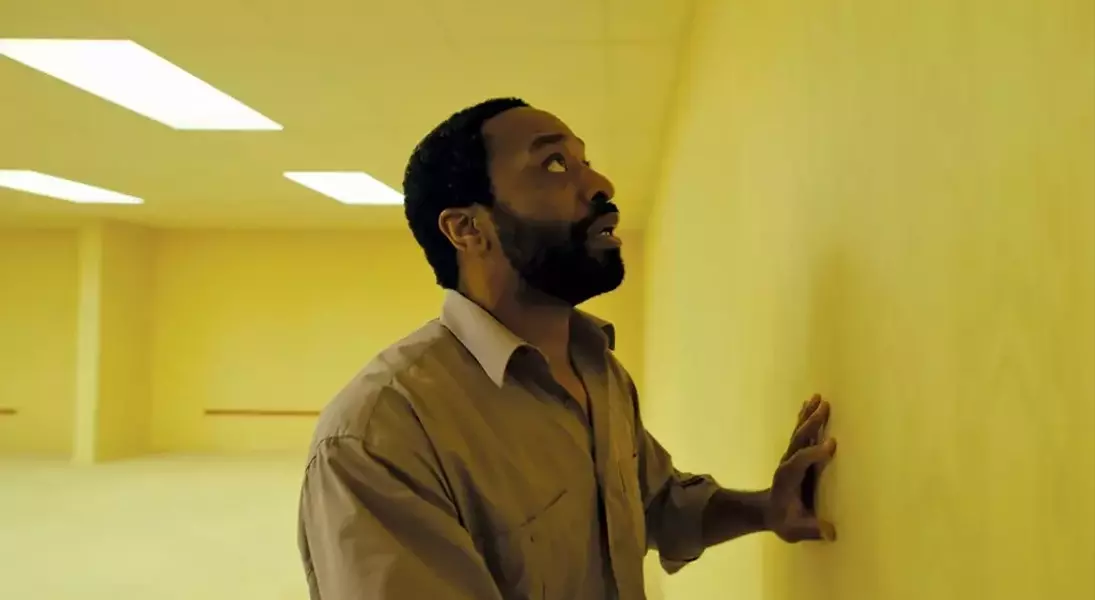
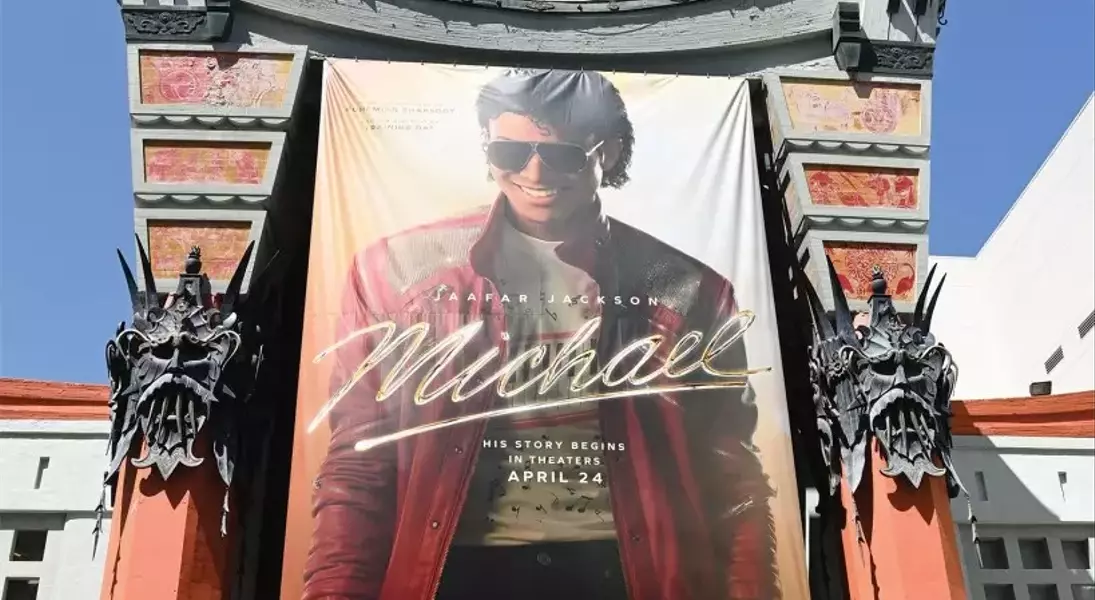
Interestingly, some of the year's most unconventional films have also become major triumphs. 'Project Hail Mary,' a cerebral science fiction epic, defied expectations with global earnings of $683 million. 'Michael,' a biopic, made history by crossing the billion-dollar mark. 'Obsession,' a low-budget romantic thriller from emerging director Curry Barker, garnered $426 million, while 'Backrooms,' a horror sensation from YouTube creator Kane Parsons, secured A24's highest debut with $81 million. These successes demonstrate a growing appetite for fresh, innovative narratives that deviate from traditional formulas.
Michael Kustermann, CEO of Alamo Drafthouse, emphasizes the importance of a diverse and compelling content pipeline, which he believes has been missing from the industry. The current summer revenues are on par with 2019, a highly successful year, and overall ticket sales are up 10% compared to 2025. Projections indicate that annual domestic grosses could reach $10 billion, a milestone not seen since before the pandemic. Upcoming releases like 'Spider-Man: Brand New Day' and 'Avengers: Doomsday' are expected to further bolster these figures, leading exhibitors to prepare for increased demand by adding more screens and showtimes.
The notion that traditional cinema was becoming obsolete, challenged by streaming services and changing viewing habits, has been largely disproven. Younger generations, specifically Gen Z and millennials, are key drivers of this revival. A Fandango report revealed that a high percentage of these demographics attended movies in the past year, far outstripping older generations. Director Richard Linklater attributes this to the communal desire for shared experiences, highlighting that despite the rise of digital platforms, the social aspect of moviegoing remains powerfully attractive. Actor Colin Farrell suggests that audiences are experiencing "couch saturation" and are eager to venture out for a planned evening at the cinema.
Antoine Fuqua, director of 'Michael,' recounts the joy of watching audiences engage with his film in theaters, evoking a sense of shared experience similar to classic blockbusters like 'Star Wars' and 'Jaws.' The trend of collectible popcorn buckets, popularized by 'Dune: Part Two' and now common for major releases, further enhances the communal and experiential aspect of cinema, generating significant revenue for theater chains like AMC. This phenomenon underscores how moviegoing has evolved into an event, with unique merchandising adding to the excitement.
The industry's rebound was not without its struggles. Post-pandemic, initial fears of contagion and a lack of compelling content due to labor strikes significantly hampered recovery. However, the unexpected success of films like 'Barbenheimer' (the simultaneous release of 'Oppenheimer' and 'Barbie') demonstrated the power of theatrical releases to re-energize audiences. While production delays caused by strikes were detrimental, the industry has since stabilized, with a projected 115 to 120 wide releases in 2026, comparable to pre-pandemic levels. New distributors and Amazon MGM Studios' renewed focus on theatrical releases are also contributing to this growth.
The abundance of surprise hits has instilled confidence in filmmakers, suggesting that studios may be more willing to invest in unorthodox stories. Christopher Miller, co-director of 'Project Hail Mary,' believes that decisions driven by "greed" (the desire for success through innovation) rather than "fear" (sticking to conservative choices) lead to better outcomes. Audiences are seeking novel experiences, not merely rehashes of past successes. This shift is evident in the declining performance of some superhero films and established franchises that rely solely on brand recognition, such as 'Supergirl' and 'The Mandalorian and Grogu.' The emphasis is now on "freshness and excellence," as Phil Lord, another co-director of 'Project Hail Mary,' asserts.
Looking ahead, the film calendar remains robust, particularly around holiday seasons, with numerous major releases expected to keep theaters bustling. However, industry stakeholders express concerns about potential challenges, such as the looming merger of Warner Bros. and Paramount Skydance. Historically, such consolidations have led to reduced film output, a scenario the industry aims to avoid. There are also ongoing discussions about the theatrical window, the exclusive period films play in cinemas. While past experiments with shorter windows during the pandemic proved detrimental, a consensus is emerging around a 45-day exclusive theatrical run, aiming to create a sense of urgency and cultural relevance for new releases.
Modern audiences are more discerning, demanding high-quality and impactful cinematic experiences. Social media plays a crucial role; negative word-of-mouth can quickly derail a film's success. This environment necessitates that movies not only be good but also generate enthusiasm and a desire for shared experience. Furthermore, there's a recognized need to cater to underserved demographics, including older audiences, women, and minority groups, by producing content that resonates with their tastes and values. Aline Brosh McKenna, writer of 'The Devil Wears Prada 2,' champions this approach, arguing that focusing beyond traditional male-centric narratives can unlock significant box office potential.
The resurgence of cinema signifies a transformative period, moving beyond merely replicating pre-pandemic models. Courtenay Valenti of Amazon MGM Studios stresses the need for forward-thinking and innovation to meet the expectations of contemporary audiences. Drawing parallels to historical shifts in Hollywood, where artistic daring replaced outdated formulas, the success of internet-rooted projects like 'Backrooms' and 'Obsession' suggests a new wave of filmmakers is poised to revolutionize the industry. These creators, often from platforms like YouTube, bring a direct understanding of audience preferences, prioritizing passion and authentic storytelling over established intellectual property. As Jason Blum, producer of 'Obsession' and 'Backrooms,' cautions, this new landscape demands genuine effort and compelling narratives, not just a scramble to capitalize on internet popularity. The shift points towards a future where audience engagement and creative integrity drive cinematic success.
