
Historically, American foreign policy has been shaped by significant doctrines and strategies, including the Monroe Doctrine and the Big Stick policy, concepts that have resurfaced in contemporary political discourse. These terms, once primarily confined to academic discussions, have gained new prominence as recent administrations invoke them to rationalize their actions on the global stage. Understanding the nuances of these historical frameworks is crucial to appreciating the current direction of international relations. The Monroe Doctrine, established in 1823 by President James Monroe, served as a foundational principle, warning European powers against further colonization or intervention in the Western Hemisphere. This declaration marked a pivotal moment, asserting the United States' growing influence and its intention to safeguard its regional interests. The doctrine, though initially broad in its scope, provided a flexible foundation that subsequent leaders could adapt to evolving geopolitical landscapes.
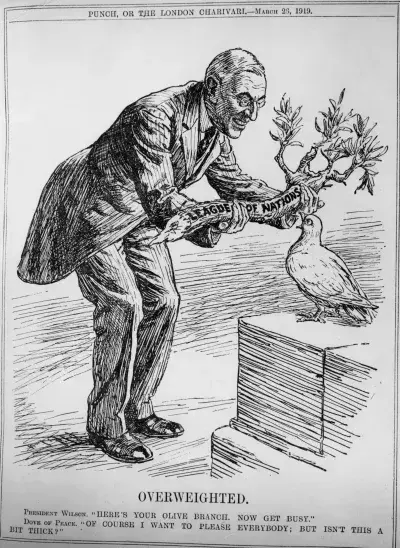
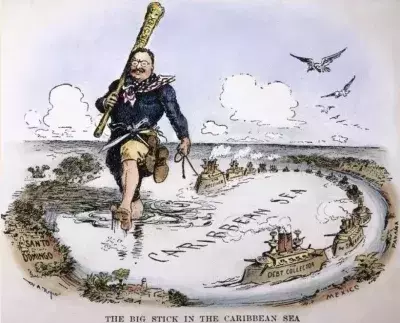
Eighty years later, President Theodore Roosevelt dramatically reinterpreted the Monroe Doctrine, transforming it into a more assertive stance known as the Roosevelt Corollary. This modification justified U.S. intervention in Latin American nations deemed to be engaging in "chronic wrongdoing," thereby expanding America's role as an international police power. Roosevelt's "speak softly and carry a big stick" philosophy, while emphasizing diplomacy, underscored the ultimate readiness to deploy military force as a last resort. This approach was famously exemplified by the global tour of the "Great White Fleet," a display of burgeoning American naval might. In subsequent decades, President Woodrow Wilson further escalated this interventionist trend with what became known as "gunboat diplomacy," utilizing America's naval superiority to protect financial interests and influence political outcomes in regions like the Caribbean and Central America.
Examining these historical precedents reveals a dynamic interplay between diplomatic ideals and the exercise of power in U.S. foreign policy. While earlier presidents, like Roosevelt, saw diplomacy as the primary tool with force as a fallback, more recent approaches have been critiqued for potentially reversing this order, leading to a more immediate reliance on military action. This shift raises questions about the consistency of American foreign policy principles and the interpretation of historical doctrines in a rapidly changing world. The legacy of these doctrines, particularly their impact on regions like Latin America, continues to be debated, highlighting the complexities and long-term consequences of such strategies. The ongoing relevance of these historical foreign policy concepts demonstrates the enduring influence of past decisions on present-day international affairs.
The study of historical foreign policies provides critical insights into the forces that shape global events. By understanding the evolution and application of doctrines such as the Monroe Doctrine and the Big Stick policy, we can better appreciate the motivations and potential implications of current international strategies. These historical lenses encourage a deeper examination of the balance between diplomacy and intervention, fostering an informed perspective on the pursuit of peace and stability in an interconnected world.
