Each year, Hagerty, a leading authority in classic car valuation, releases its highly anticipated Bull Market List, pinpointing vehicles expected to see significant value appreciation in the coming years. This year's 2025 list continues this tradition, offering a diverse selection of models that experts believe are poised to become sought-after classics, some even reaching seven-figure auction prices. The predictions are based on various factors, including performance, design, rarity, and emerging trends among collectors.
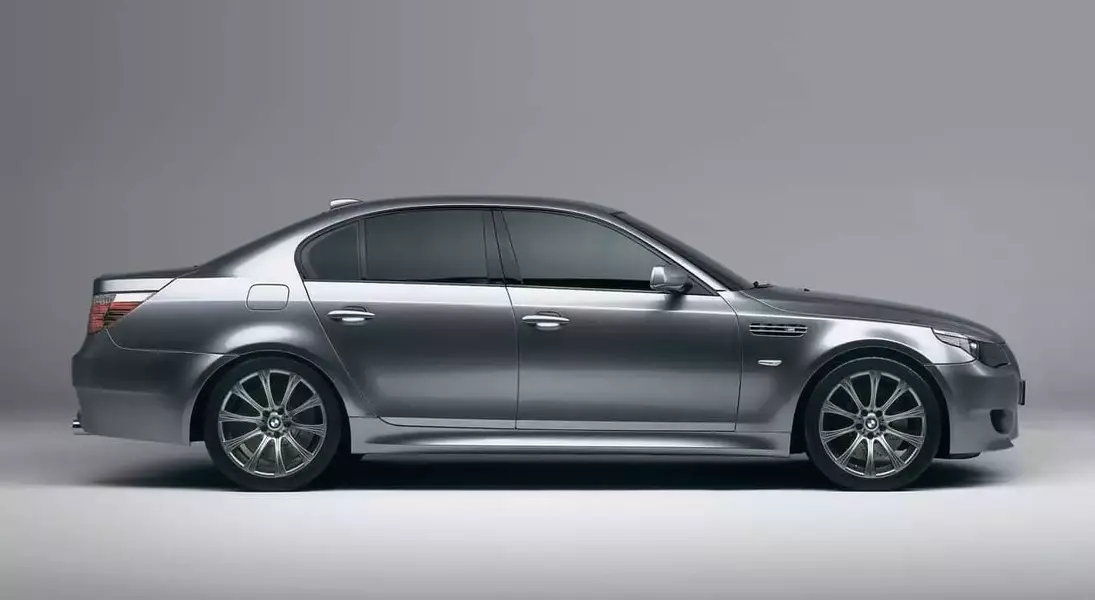
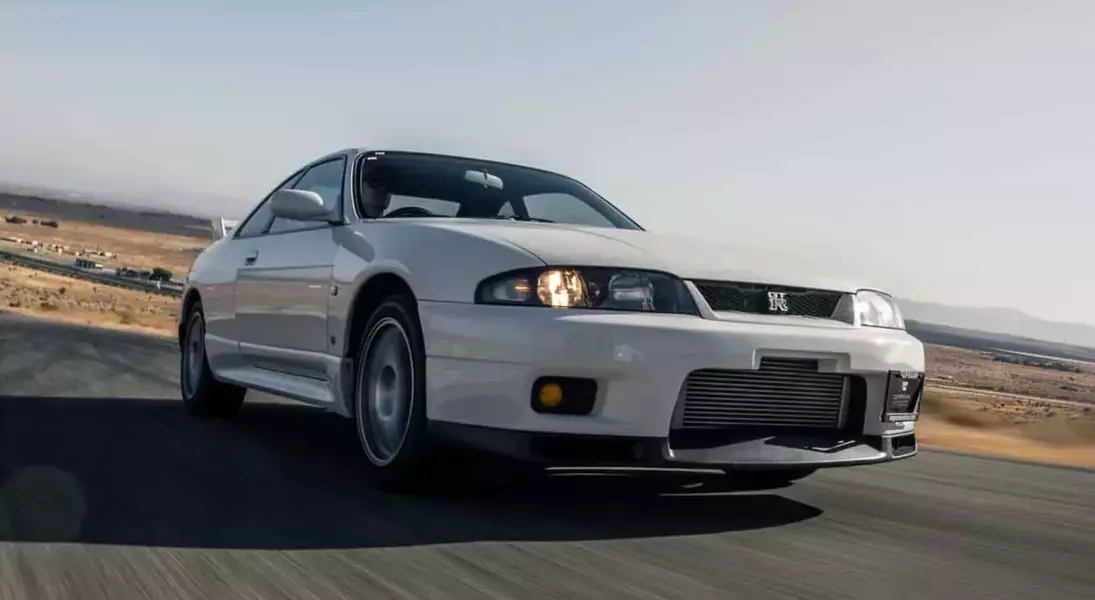
The 2025 list showcases a wide array of automotive types, reflecting evolving tastes within the collector market. It features a lone American muscle car, the 1968–1970 Dodge Charger, alongside two notable American trucks: the 1990–1993 Chevrolet 454 SS pickup and the 1981–1993 Dodge Ramcharger SUV, highlighting a growing interest in utilitarian vehicles. For more budget-conscious enthusiasts, the 1999–2005 Mazda MX-5 NB Miata and the 1995–1998 Volkswagen Golf GTI VR6 are highlighted as accessible options with strong growth potential, appealing particularly to younger generations entering the classic car scene. High-performance models like the 2006–2013 Chevrolet Corvette Z06, the V-10 powered 2006–2010 BMW M5, and the iconic 1995–1998 Nissan Skyline GT-R also make the cut. Topping the list for potential stratospheric value increases is the 2004–2007 Porsche Carrera GT, a supercar already revered for its engineering and exclusivity.
Hagerty's annual Bull Market List serves as a crucial guide for both seasoned collectors and new enthusiasts looking to invest in cars that blend historical significance with future financial promise. The inclusion of vehicles across various segments, from performance cars to trucks and hatchbacks, underscores a dynamic shift in what defines a 'classic.' This forward-looking analysis encourages prospective owners to consider these models now, before their predicted ascent in market value makes them less attainable.
The world of automotive collecting is constantly evolving, driven by passion, historical significance, and market dynamics. Identifying future classics is not merely about predicting financial gain, but celebrating the engineering, design, and cultural impact of these vehicles. Investing in these cars today is an act of preserving automotive heritage and recognizing the enduring appeal of mechanical artistry for generations to come.
