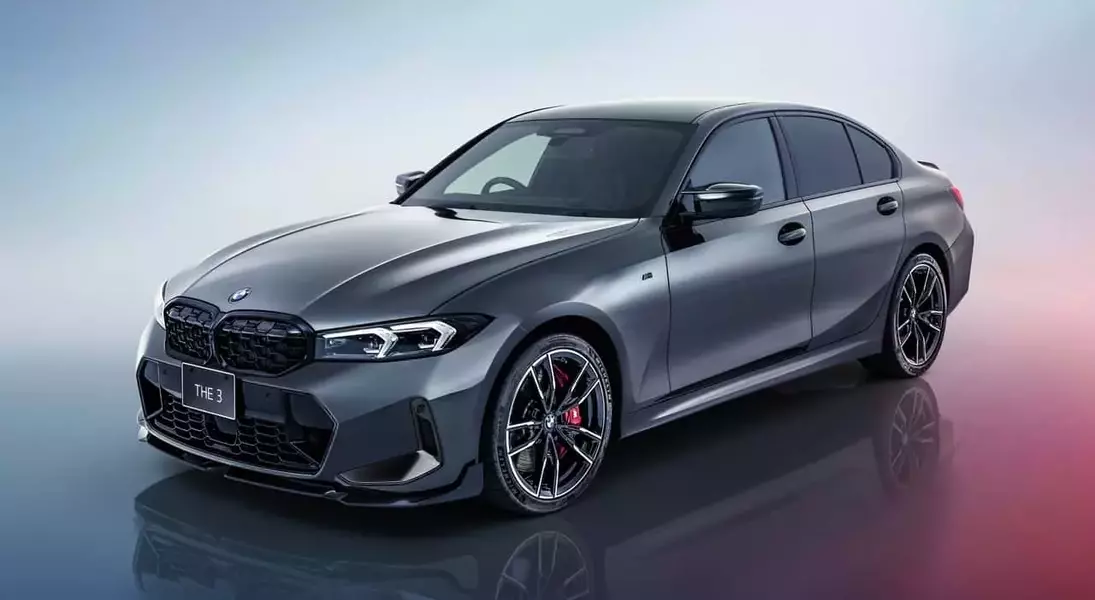
A notable shift is occurring in the European automotive market, where the demand for luxury sedans has experienced a substantial downturn. For decades, vehicles such as the BMW 3 Series, Mercedes C-Class, and Audi A4/A5 were considered benchmarks in the luxury segment. However, over the first ten months of the current year, sales of premium mid-size sedans have collectively decreased by 19 percent, indicating a significant change in consumer preference across the continent.
This decline is particularly evident among prominent models, with the BMW 3 Series witnessing a 23 percent drop in sales by the end of October, and the Mercedes-Benz C-Class experiencing a 14 percent reduction. While the new Audi A5 managed to attract strong interest, most other vehicles in this category faced similar struggles. The all-electric BMW i4 presented the smallest decrease, falling just 1.6 percent, suggesting a potential future direction for the segment. A primary driver behind this trend is a 30 percent reduction in fleet sales, as corporate buyers, alongside individual consumers, increasingly favor mid-size SUVs due to their enhanced practicality and broader array of powertrain options, including advanced plug-in hybrid technologies.
Despite the growing preference for SUVs, the power source landscape for the remaining mid-size premium sedan purchases shows a clear inclination towards traditional combustion engines. Gasoline engines constituted 33 percent of sales within this segment, followed by diesel powertrains at 27 percent. Electric vehicles (EVs) accounted for approximately 22 percent, with plug-in hybrid electric vehicles (PHEVs) making up the smallest share at around 19 percent. Germany remains the largest market for these luxury sedans, capturing 37 percent of the segment's sales, with the United Kingdom following at 16 percent, and Italy, Sweden, Poland, and France also contributing notable shares.
This evolution in vehicle purchasing patterns underscores a dynamic market where adaptability and evolving consumer needs are paramount. As buyers increasingly prioritize versatility, functionality, and diverse powertrain options, automotive manufacturers are prompted to innovate and expand their offerings beyond conventional body styles. The sustained success of the automotive industry will hinge on its capacity to anticipate and cater to these changing preferences, ensuring that vehicles continue to meet the practical and aspirational demands of a global audience.
