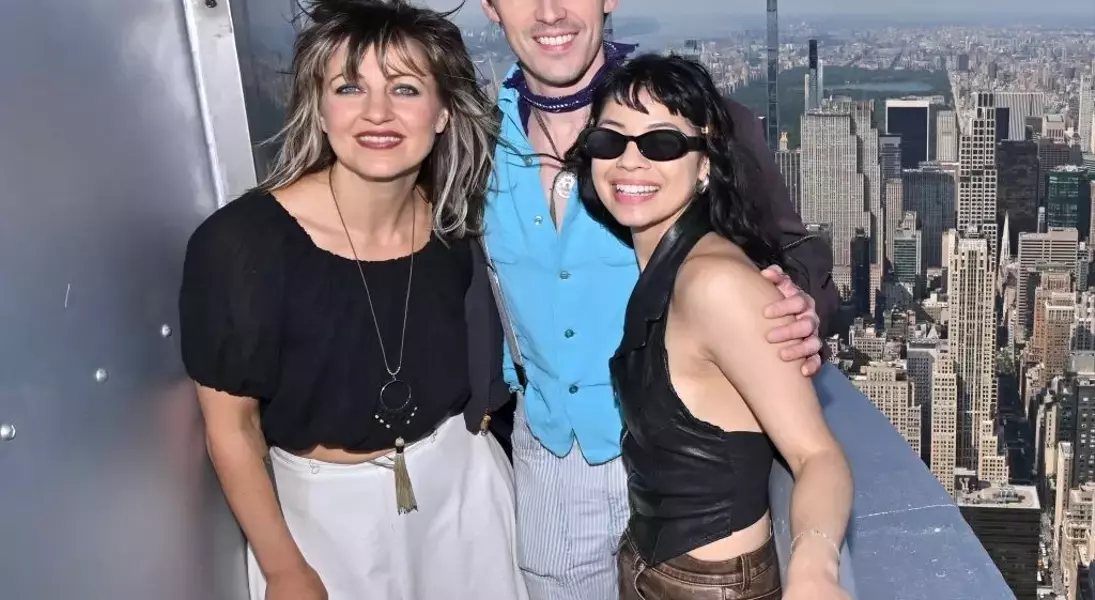
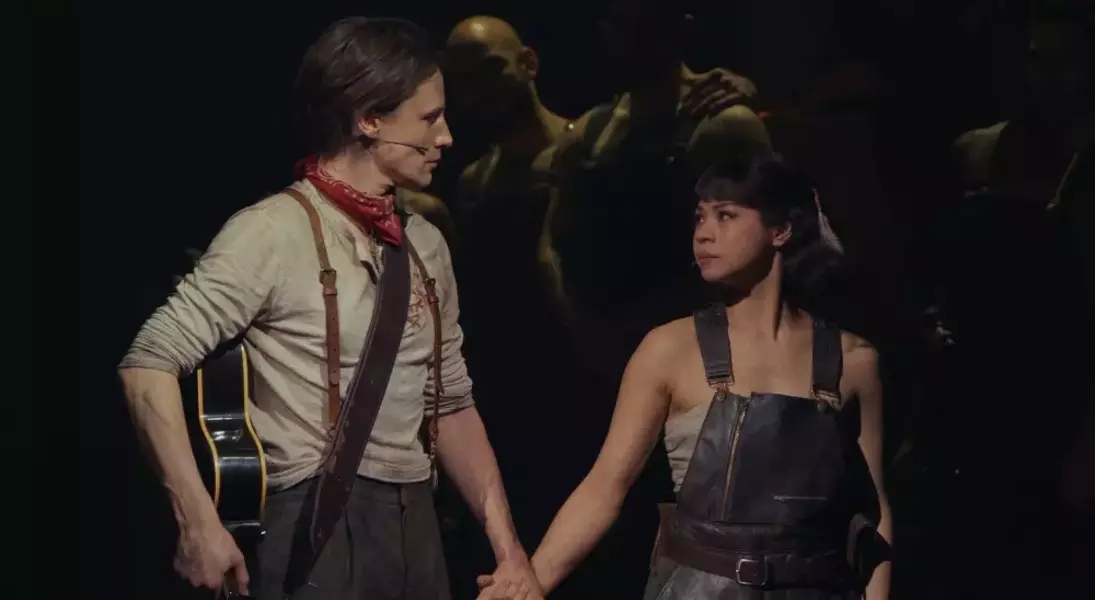
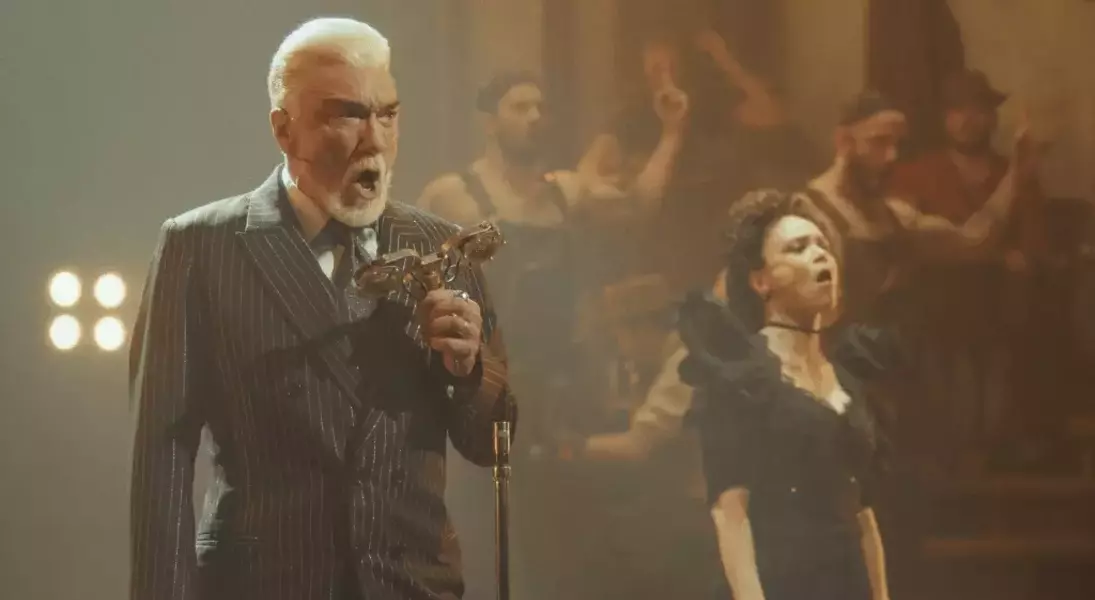
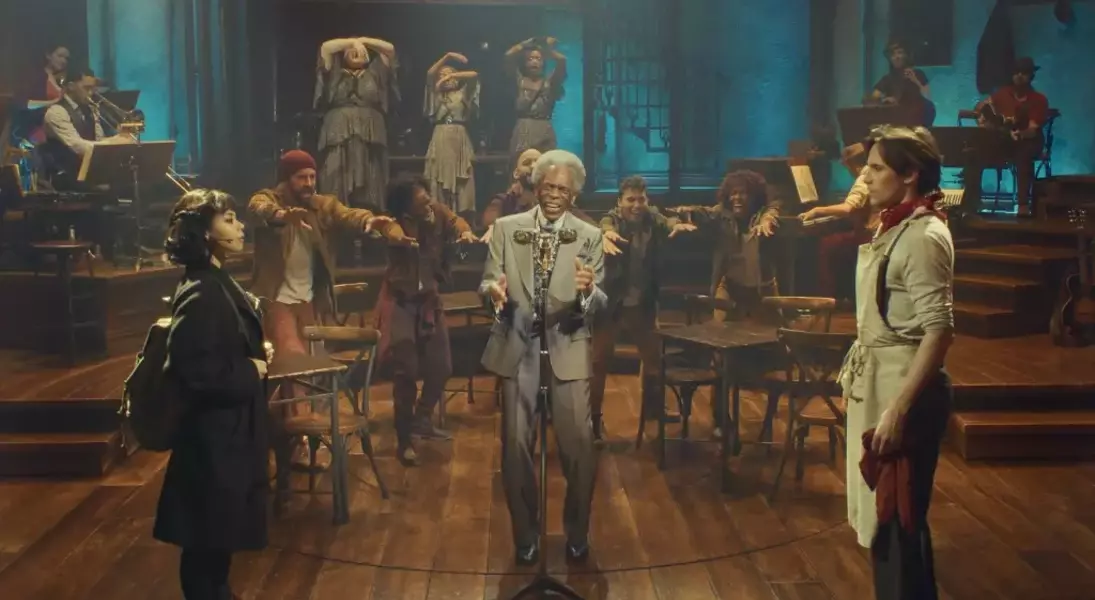
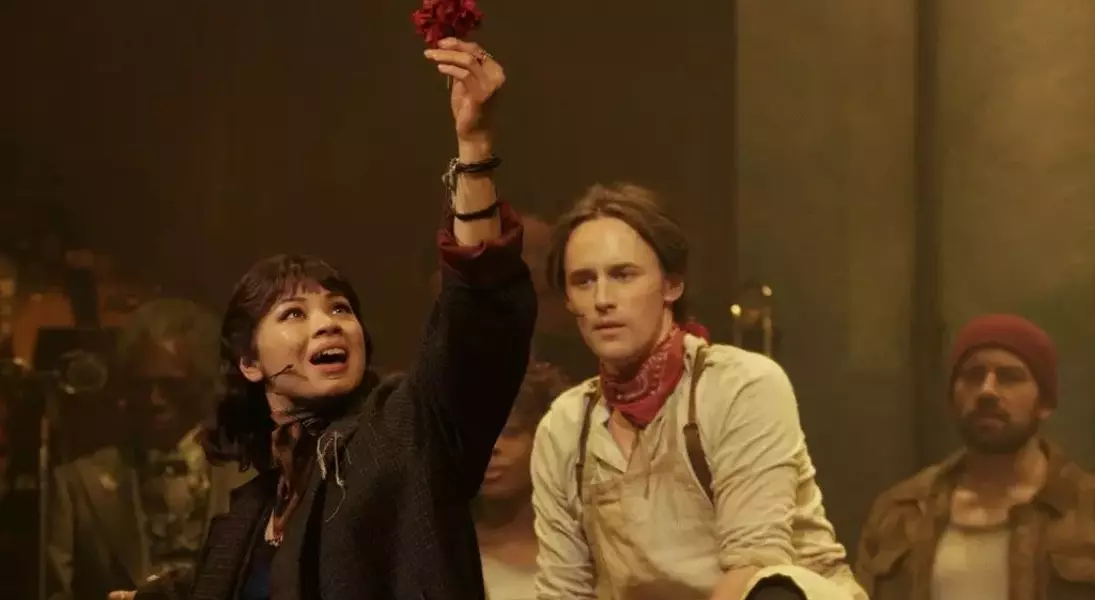
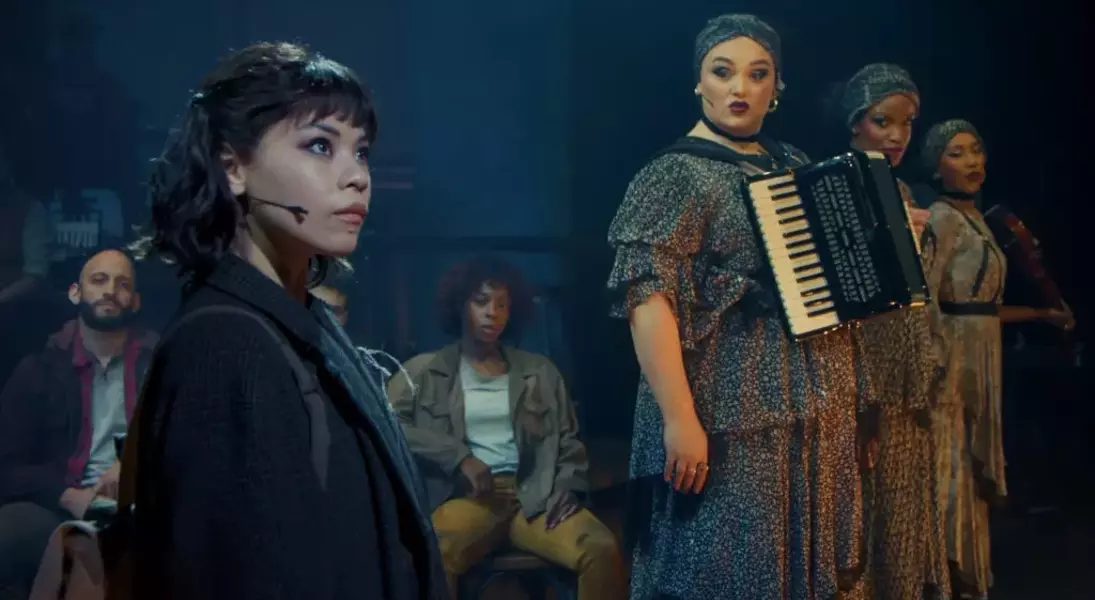
The hit Broadway musical “Hadestown” has successfully transitioned to the big screen, captivating audiences with its cinematic adaptation. This stage-to-film project features the original cast members, including Reeve Carney, Eva Noblezada, André De Shields, and Patrick Page, alongside the show's creator Anaïs Mitchell and director Brett Sullivan. The film is anticipated to achieve significant box office success, ranking among the highest-grossing stage productions ever brought to cinema.
Anaïs Mitchell, the musical's creator, shared insights into the collaborative process with stage director Rachel Chavkin and film director Brett Sullivan. The cinematic version offers an unprecedented level of intimacy, utilizing close-up shots to reveal subtle emotional nuances that would typically be imperceptible from a theater seat. Despite the enhanced intimacy, the film meticulously preserves the essence of a live stage performance by incorporating wider shots that showcase the majestic Lyric Theatre and the enthusiastic audience. The original principal cast, including Amber Gray, reconvened for this ambitious undertaking, dedicating five weeks to the West End production before the three live filmed performances. The meticulous filming process involved multiple cameras positioned at various angles during each show, supplemented by additional close-up filming without an audience, resulting in a rich, multi-perspective viewing experience akin to a 30-camera production. The smaller stage of the London Lyric Theatre, compared to New York’s Walter Kerr, unexpectedly enhanced the film's cinematic quality, proving to be a beneficial factor in its visual presentation.
The actors discussed how the film allowed for deeper exploration of their characters, even for those who had performed the roles hundreds of times. Patrick Page noted that the camera's ability to capture minute expressions reveals layers of subtext previously only experienced internally by the performers. André De Shields emphasized that the cast maintained their authentic stage performances, without altering their approach for the cameras. Reeve Carney, who plays Orpheus, described the show not as a tragedy, but as an empowering narrative that encourages different choices and endings. Eva Noblezada, portraying Eurydice, highlighted the richness of “Hadestown’s” internal world, making it easy to reconnect with the character's profound emotions despite a break from the role. Director Brett Sullivan, a veteran in cinematic stage captures, reflected on the evolution of this genre, noting how film adaptations now serve to broaden interest in live theater rather than diminish it, citing “Stop Making Sense” as his artistic benchmark for conveying live performances on screen. He also mentioned unique challenges, such as adapting to Patrick Page's on-stage injury, which necessitated changes in choreography and blocking, further authenticating the performances captured.
“Hadestown” continues to resonate with diverse audiences, fostering empathy and inspiring change. Mitchell, now in her 40s, finds new connections with the characters, particularly the themes of an enduring marriage and the storyteller's role, showcasing the musical's timeless appeal and evolving interpretations. The musical, which originated in folk clubs 20 years ago and opened on Broadway in 2019, has expanded its reach through this film, allowing even more people to experience its powerful narrative. It inspires young artists in high schools to explore their own interpretations, demonstrating the show's dynamic and living nature. The enduring relevance of its themes, including the tension between idealistic dreams and present realities, ensures its continued impact, fostering a sense of being seen and understood among its viewers.
