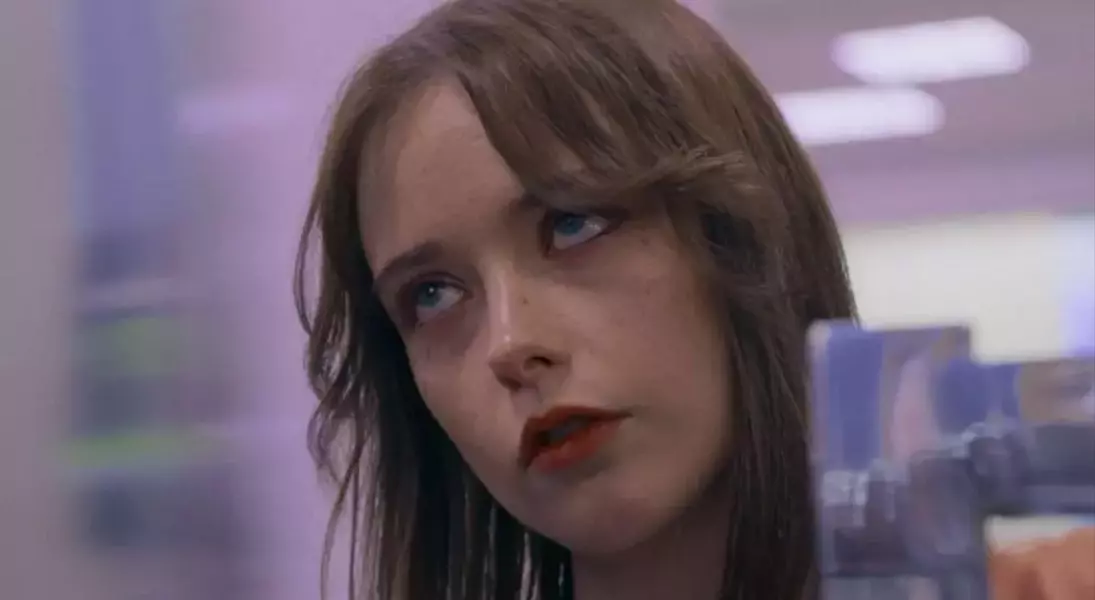
Harrison Atkins's new cinematic creation, "Sour Minnows," left its inaugural audience at the Fantasia Festival both bewildered and captivated. The narrative centers on two housemates, Ricky and Tepper, whose mundane trip to the grocery store propels them into an inexplicable alternate reality. This shift in their existence leads to increasingly strange occurrences, including Ricky's temporary possession by an enigmatic entity known as "The Yellow Thing," which takes control of his physical form.
Atkins shared insights into the movie's development, revealing its origins in a period of creative frustration while attempting to secure funding for a larger-scale project. He found himself drafting a unique blend of screenplay and poetry, a departure from conventional narratives. This artistic freedom allowed him to explore themes of alienation and fragmented realities, reflecting a post-pandemic world where individuals are increasingly siloed into their own "internet feeding tubes." Atkins emphasizes his desire to evoke sensations and moods that transcend verbal description, drawing inspiration from Edward Hopper's sentiment that if something could be said in words, there would be no need to paint it. He welcomes the diverse interpretations viewers bring to his work, finding amusement in their attempts to articulate the film's elusive essence.
The film, now seeking global distribution, challenges traditional storytelling by embracing the strange and the off-kilter. Atkins allows his imagination to guide the creative process, letting ideas flow organically rather than conforming to established narrative structures like the hero's journey. This intuitive approach results in a work that acts as a mirror to contemporary reality, subtly reflecting the divisive nature of modern existence. The director expresses genuine enjoyment in observing how audiences grapple with and articulate their experiences of the film, highlighting the inherent tension and delight in witnessing diverse attempts to define an indefinable artistic creation.
Artistic expression, especially when it pushes boundaries, offers a unique lens through which to examine our world and our place within it. Embracing the unconventional can lead to profound insights, revealing truths that conventional methods might overlook. The dialogue sparked by such works enriches our understanding and appreciation of diverse perspectives, fostering a more open and imaginative engagement with the complexities of life.
