Beyond the well-known environmental commitment of Forest Green Rovers, a vibrant movement towards ecological sustainability is flourishing within England's non-league football clubs. These teams, operating with more modest resources, are pioneering diverse green initiatives, from constructing eco-friendly stadiums to fostering community engagement through sustainable practices. Their proactive approach underscores a profound dedication to environmental responsibility, showcasing that genuine change can emerge from the grassroots and often outpace the efforts of larger, wealthier organizations.
These lower-tier clubs are not merely adopting isolated eco-friendly practices; they are embedding sustainability into their core operations and community outreach. By leveraging local grants, forging partnerships with environmental enterprises, and mobilizing volunteer efforts, they are demonstrating practical, impactful solutions to environmental challenges. This collective action paints a compelling picture of a football pyramid where ecological awareness is a shared goal, proving that innovation and commitment can overcome financial constraints, ultimately setting a new standard for sports organizations globally.
Pioneering Sustainability in Football
Forest Green Rovers stands as a beacon of environmental stewardship in the football world, often celebrated as the planet's most environmentally conscious club. Their commitment extends beyond a mere gesture, embodying a comprehensive ecological philosophy across all operations. The club's home, The New Lawn, features an organic pitch meticulously maintained by solar-powered machinery, while rainwater harvesting systems and cooking oil converted to biodiesel further reduce their carbon footprint. Approximately a quarter of the stadium's electricity is generated through on-site solar arrays, with any excess energy channeled back into the national grid.
This dedication permeates every aspect of the fan experience, from entirely vegan food options to playing kits crafted from recycled coffee grounds. Electric vehicle charging stations are readily available, aligning with owner Dale Vince's ambitious eco-mission. Recognitions from international bodies like FIFA and the United Nations solidify Forest Green Rovers' position not as an anomaly, but as a groundbreaking leader. Their forthcoming Eco Park, designed as a timber-constructed stadium powered by renewable energy and surrounded by rewilded landscapes, promises to further engrain their environmental legacy on a global scale, serving as a powerful blueprint for other sports organizations.
Community-Driven Green Initiatives
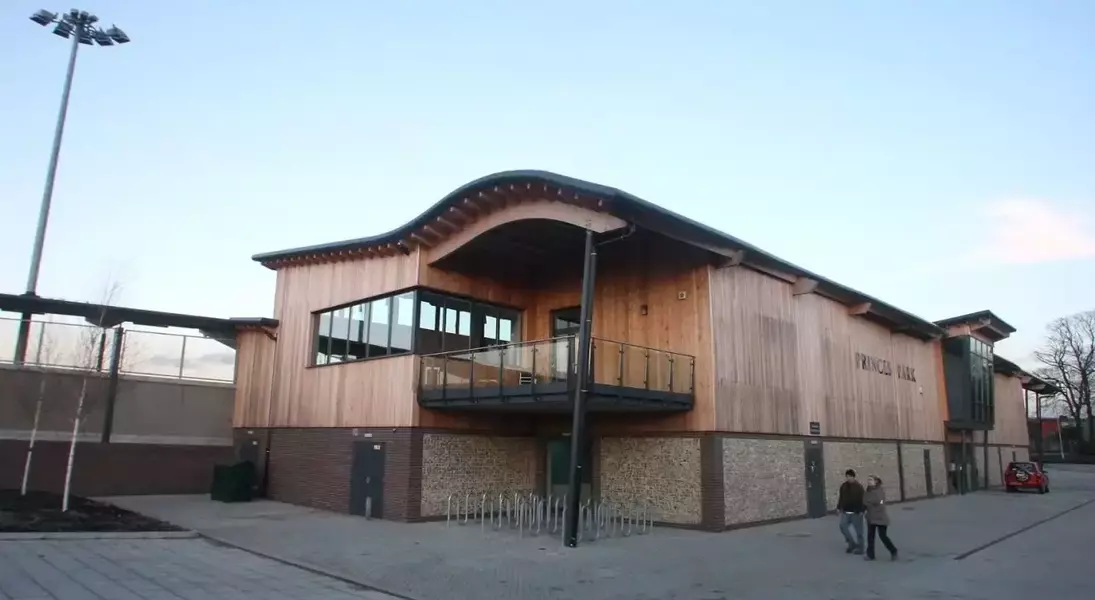
Beyond the top-tier green efforts of Forest Green Rovers, numerous non-league clubs are making significant environmental contributions, often with a strong community focus. Dartford's Princes Park, opened in 2006, exemplifies forward-thinking stadium design with its sedum 'living' roof, which naturally purifies air, alongside solar hot water systems, rainwater harvesting, underfloor heating, and timber construction, all illuminated by energy-efficient LED lighting. This facility demonstrates that ecologically sound architecture is not exclusive to elite venues but is a tangible achievement at the non-league level, built with significant community benefit in mind.
Lewes FC has embraced an extensive eco-centric strategy that encompasses its men's, women's, and community programs. Collaborating with organizations like Football For Future, the club has installed approximately 170 solar panels, generating substantial annual energy to power matchday operations and contribute surplus to the grid. Their community garden, 'Brad's Pit,' initiated by a midfielder in 2021, thrives with edible plants and hosts 'Grow, Cook, Eat & Compost' workshops, teaching local residents sustainable food practices, including composting and water conservation. Furthermore, Lewes FC has implemented a reusable cup system to eliminate single-use plastics, adopted second-hand kits, organized clothing exchanges, and signed Sport England’s Green pledge to promote sustainable travel methods for match days. In rural Lancashire, clubs like Hurst Green FC and Clitheroe are also integrating solar solutions, often through grants and private sector partnerships, showcasing how grassroots teams can achieve cutting-edge sustainability and inspire their local communities to engage in eco-conscious living.
