Croatia's extraordinary achievements in global football, defying its modest population size, are a testament to a deeply ingrained and uniquely Croatian strategy for nurturing athletic potential. This small nation has consistently punched above its weight, reaching the World Cup final in 2018 and the semi-finals four years later. This success isn't accidental; it's the culmination of decades of intentional development, resilience shaped by a turbulent national history, and a footballing philosophy that prioritizes the holistic growth of its 'fragile talents.' The story of Croatian football is one of overcoming limitations through meticulous planning, fierce competition, and an unbreakable team spirit.
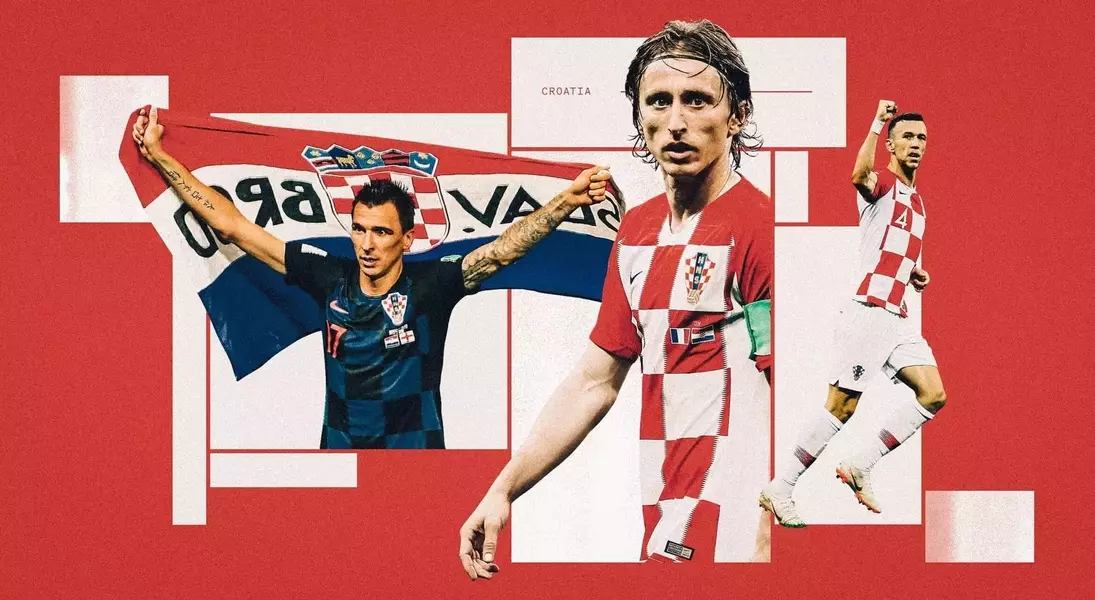
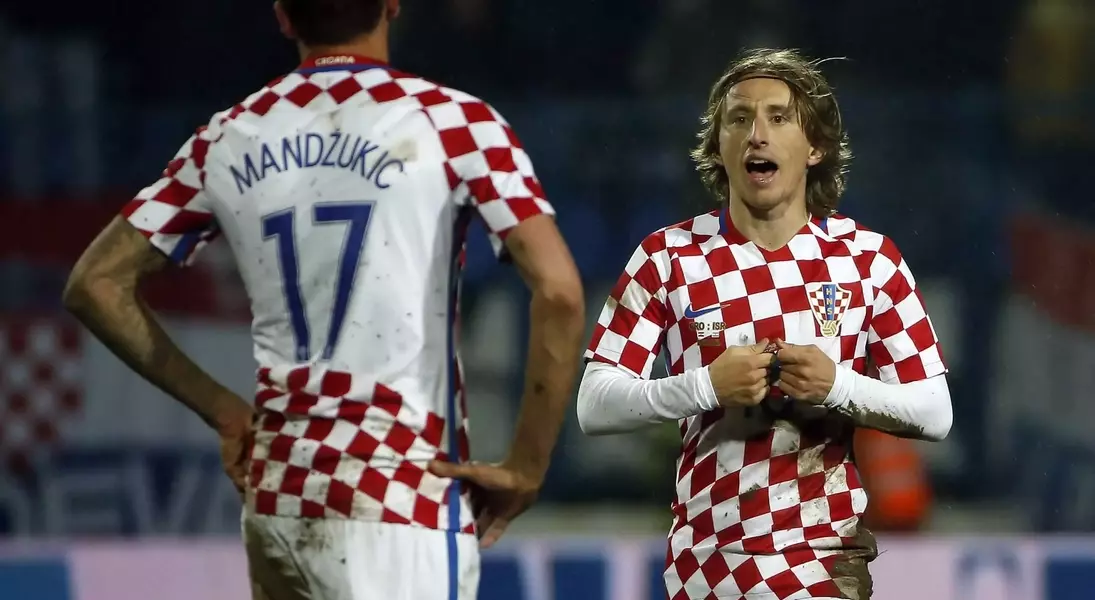
Romeo Jozak, a central figure in Croatian football for over two decades, offers invaluable insights into this phenomenon. He emphasizes that with only three and a half million citizens, Croatia's talent pool is limited, necessitating an almost paternalistic approach to player development. Unlike larger nations with abundant options, Croatia cannot afford to lose a single promising athlete. This philosophy translates into a deep commitment to nurturing every individual, tolerating mistakes, and providing the support needed for players like Luka Modric, Mateo Kovacic, and Mario Mandzukic to reach their full potential. This careful cultivation of talent has been a cornerstone of their rise.
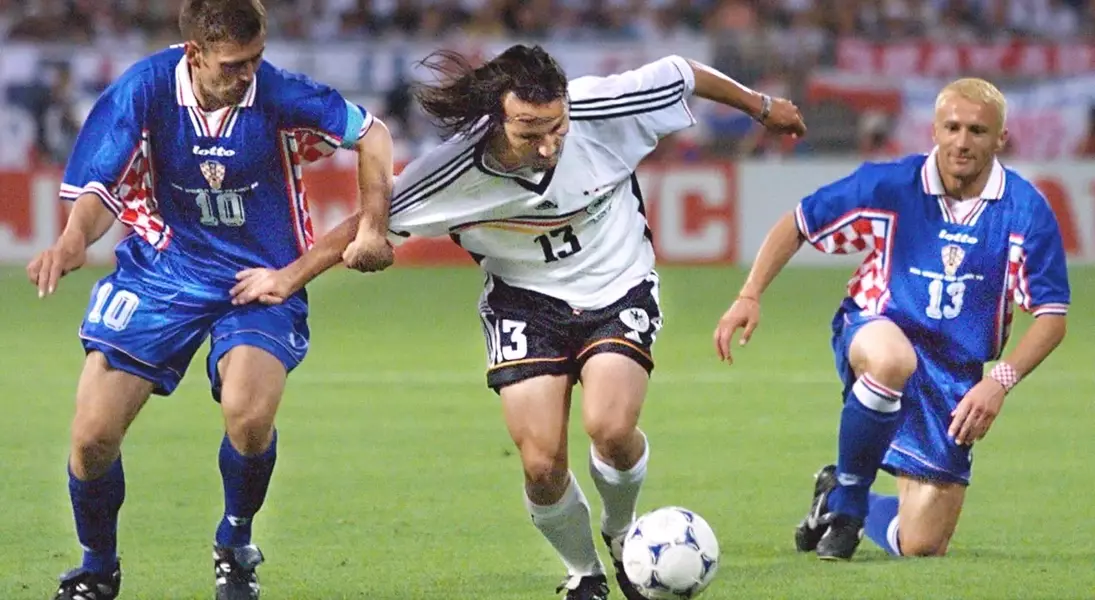
The nation's tumultuous birth, emerging from the brutal Yugoslav Wars in 1991, profoundly impacted its footballing identity. Many key players, including Modric and Dejan Lovren, experienced the conflict firsthand, growing up as refugees. This shared trauma fostered a powerful sense of patriotism and an inherent drive to succeed. Jozak recounts how this deep-seated emotional connection translated onto the pitch, imbuing players with an almost subconscious passion and determination to push beyond their limits. The 1998 World Cup, where independent Croatia finished third, served as a pivotal moment, solidifying a nascent national identity through football.
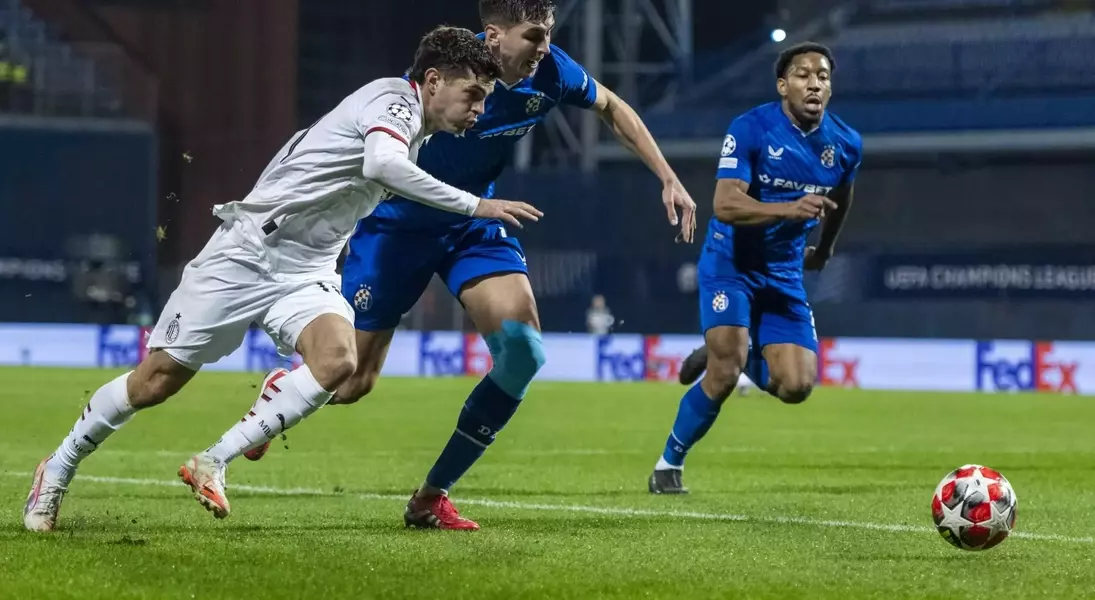
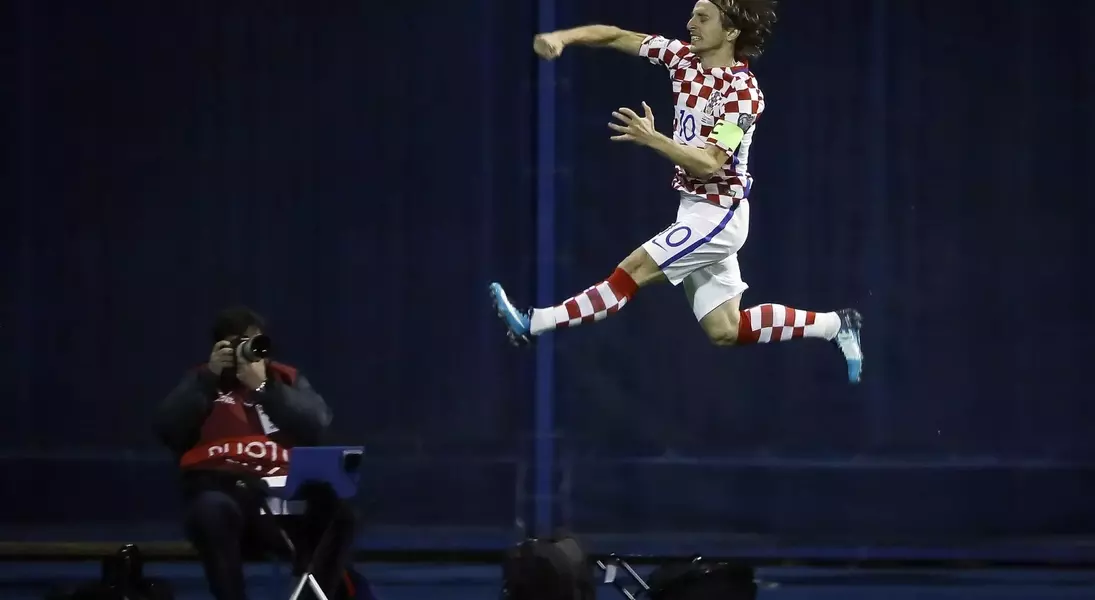
Dinamo Zagreb's academy, under Jozak's leadership, became the crucible for this talent development. Modric's journey, from a "skinny blond kid" to a global icon, exemplifies the academy's success. Jozak's keen observation of Modric's exceptional ball retention and calming presence, even at a young age, highlights the focus on fundamental skills. The Croatian system deliberately cultivated intense internal competition by bringing the best young players to Dinamo and even having them play against older age groups. This artificial yet effective environment forced players to constantly improve to survive, creating an elite cohort.
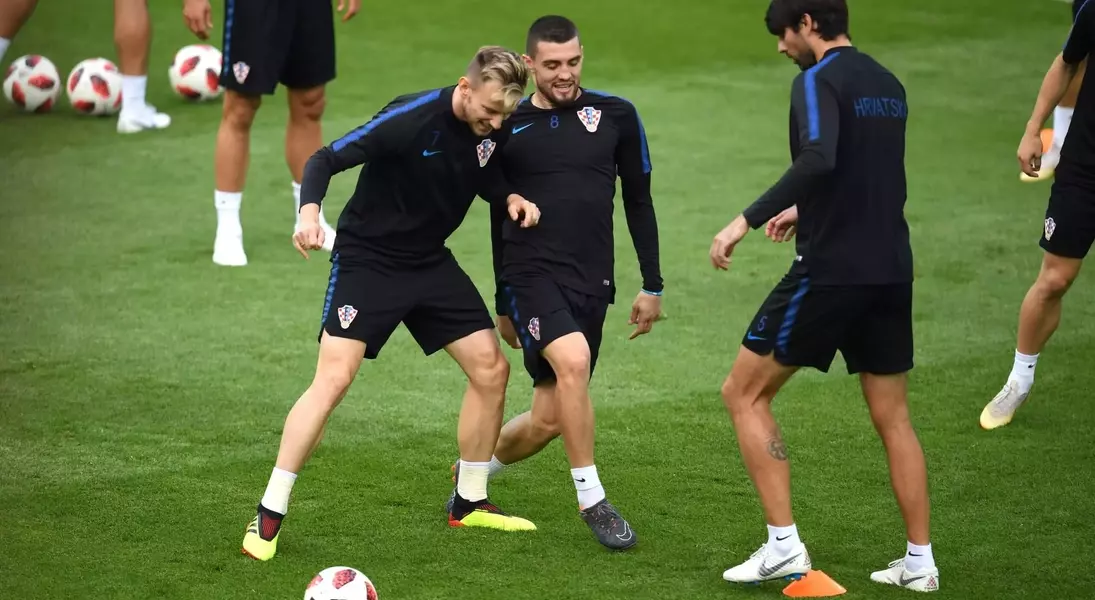
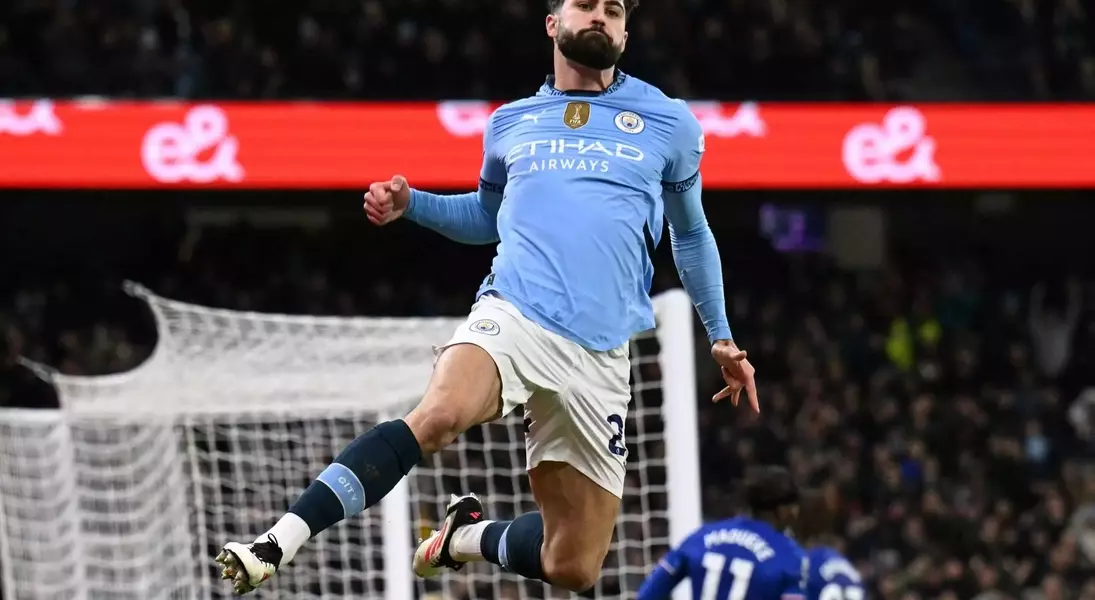
A notable outcome of this strategy is the proliferation of world-class midfielders. By intentionally positioning players like Sime Vrsaljko and Josko Gvardiol, who would later excel in other roles, in central midfield during their formative years, the system instilled a profound understanding of positioning, tactics, and mental resilience. This rigorous training in the most demanding position ensured that those who ultimately specialized in central midfield, such as Modric, Ivan Rakitic, Mateo Kovacic, and Marcelo Brozovic, were exceptionally well-rounded and battle-hardened. This focus on midfield mastery became a signature of Croatian football.
Croatia's success contrasts sharply with other former Yugoslav nations, which share similar demographic and cultural backgrounds but lack the consistent footballing achievements. Jozak attributes this disparity to Croatia's clear and consistent football governance and strategy implemented since the early 2000s. Key elements include producing a high quantity of young talent, employing quality coaches, establishing a replicable academy program, fostering internal competition, and providing external challenges. This structured approach, combined with the powerful psychological bond among teammates forged through shared experiences and family-like connections, has enabled Croatia to consistently excel in high-pressure situations, turning fragile talents into footballing giants.
