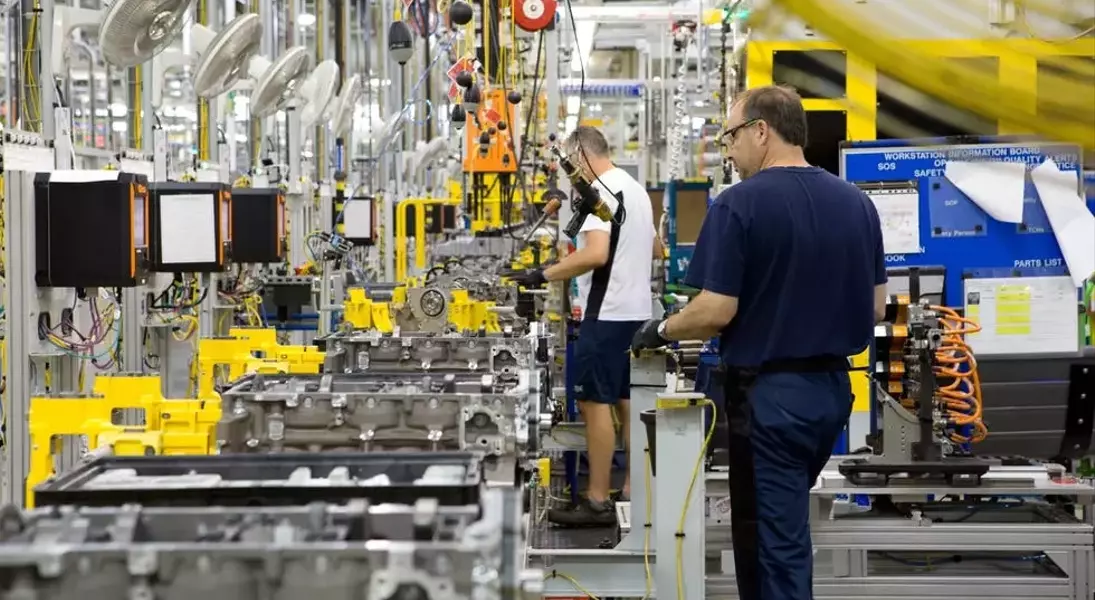
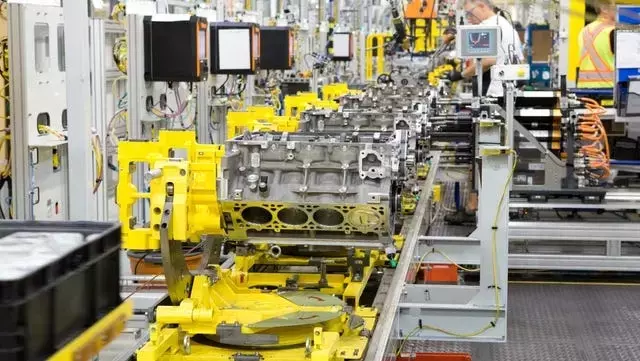

General Motors reaffirms its dedication to V-8 engine technology with a substantial new investment. The automotive giant is pouring C$691 million (approximately US$505 million) into its St. Catharines Propulsion facility in Ontario, Canada. This strategic financial commitment underscores GM's confidence in the enduring popularity of V-8 powerplants, particularly for its highly demanded full-size trucks and SUVs. This investment follows a prior significant allocation to the Tonawanda Propulsion plant, highlighting a broader plan to ensure robust production of its next-generation small-block engines across multiple key locations in North America.
General Motors Expands V-8 Engine Production with $505 Million Canadian Investment
In a significant announcement today, General Motors Canada revealed a C$691 million (US$505 million) investment dedicated to its St. Catharines Propulsion plant, nestled in the heart of Ontario, Canada. This substantial funding is earmarked for the production of the advanced sixth-generation V-8 engines. These robust power units are destined to drive GM's forthcoming full-size trucks and SUVs, including the highly anticipated 2027 Chevy Silverado, which is expected to be unveiled later this year.
This initiative isn't an isolated event. It follows a prior US$888 million investment in the Tonawanda Propulsion factory in Buffalo, New York, for similar next-generation engine development. Additionally, GM plans to produce these new V-8s at its Flint Engine Operations in Flint, Michigan, which received a US$500 million injection in 2023. These combined efforts highlight a coordinated strategy to modernize and expand V-8 engine manufacturing capabilities across General Motors' North American facilities.
Currently, the St. Catharines plant is actively preparing for its expanded role, with new equipment steadily arriving. While the facility transitions, it will continue to produce the fifth-generation V-8 engines, ensuring uninterrupted supply as it retools for the new engine line. This phased approach guarantees a smooth transition to the latest technology.
The automotive manufacturer emphasizes that this extensive investment in engine production is a direct response to the persistent and robust market demand for its full-size truck lineup. In the past year alone, GM sold an impressive 577,434 gas-powered Chevy Silverados and 348,222 gas-powered GMC Sierras in the U.S., with a significant majority likely featuring V-8 engines. Furthermore, over 315,000 full-size SUVs were sold across three GM brands, predominantly powered by V-8s. The new V-8 promises enhanced performance coupled with improved fuel efficiency, catering to both power and evolving environmental considerations.
Looking ahead, the new V-8 engine will not only power the 2027 Chevy Silverado and GMC Sierra but also future iterations of popular full-size SUVs such as the Chevy Tahoe, Chevy Suburban, GMC Yukon, and Cadillac Escalade. Beyond engine production, GM has also committed C$343 million to the Oshawa Assembly site in Ontario, Canada, for the production of next-generation trucks, including the Silverado 1500 and Silverado HD. Meanwhile, the company is still assessing future opportunities for its CAMI Assembly plant in Ingersoll, Ontario, which has been idled since October 2025 after the discontinuation of the electric Chevy BrightDrop van, a model that saw limited sales in 2025.
This significant investment by General Motors underscores a vital strategic direction for the company: balancing the accelerating shift towards electric vehicles with the enduring market demand for conventional, powerful internal combustion engines in specific segments. It serves as a reminder that the automotive industry's evolution is multifaceted, with different technologies catering to diverse consumer needs and preferences. The continued innovation in V-8 technology, focusing on both performance and efficiency, demonstrates a commitment to refining traditional powertrains even as the industry charts a course toward an electrified future. This move could also imply that while EVs are the future, large, capable trucks and SUVs with V-8 engines will remain a cornerstone of GM's sales strategy for the foreseeable future, particularly in North American markets where these vehicles hold immense popularity.
