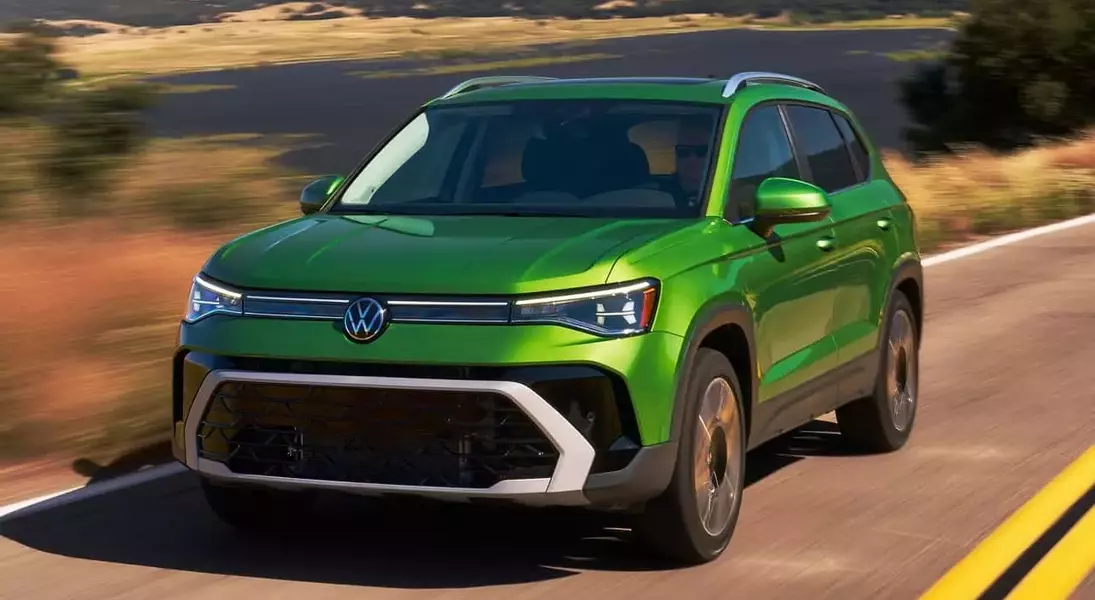
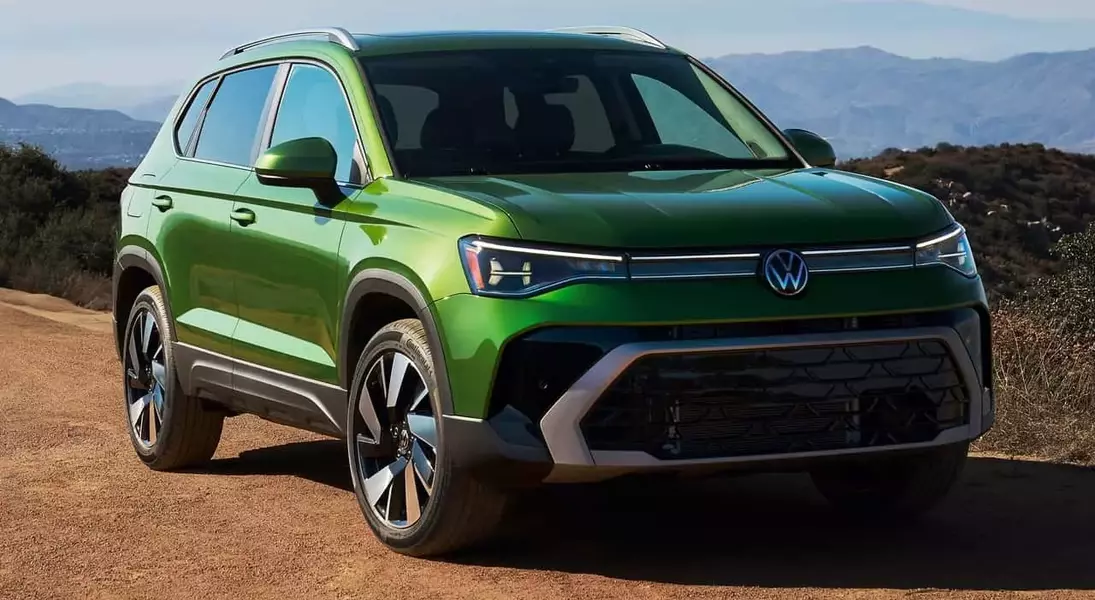

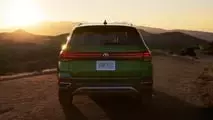

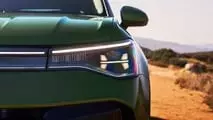
Volkswagen has announced a significant recall affecting nearly 39,000 Taos compact SUVs from the 2025 and 2026 production years. This preventative measure addresses a critical safety concern related to the vehicle's fuel system, specifically the fuel pressure sensor's wiring harness. The company's proactive response underscores its commitment to driver and passenger safety, aiming to rectify the potential hazard before any serious incidents occur. This recall highlights the rigorous safety standards governing the automotive industry, where even minor component issues can lead to widespread campaigns to ensure public safety.
The issue came to light following a crash test conducted by Transport Canada, the Canadian equivalent of the U.S. Department of Transportation, which revealed a design flaw that could compromise vehicle integrity in the event of a rear-end collision. The investigation by Volkswagen confirmed that a shorter-than-intended wiring harness for the fuel pressure sensor could become dislodged, potentially resulting in a fuel leak if the vehicle were to then experience a rollover. Although no real-world incidents, such as crashes, fires, or injuries, have been reported in connection with this defect, Volkswagen is taking swift action to mitigate any future risks by implementing a simple yet effective repair strategy.
Volkswagen Taos Fuel System Recall Details
Volkswagen has initiated a recall for 38,710 Taos crossovers from the 2025 and 2026 model years due to a potential fuel leak risk in severe rear-end collisions. The identified problem stems from an inadequately short wiring harness connected to the fuel pressure sensor. This design flaw could cause the sensor to dislodge from the fuel tank during the stress of a rear-end impact, thereby creating a pathway for fuel to escape if the vehicle subsequently overturns. This situation poses a significant safety hazard, including the risk of fire, underscoring the urgency of the recall.
The discovery of this potential defect originated from crash testing conducted by Transport Canada. Following notification in early March, Volkswagen promptly launched an investigation, including an on-site inspection of the tested vehicle at Transport Canada's facilities. The company confirmed that a new, shorter wiring harness had been introduced for the 2025 model year, affecting both 2025 and 2026 models. To address the issue, Volkswagen plans to install a 3.15-inch wiring harness extension. This modification is designed to relieve tension on the fuel pressure sensor, preventing its dislodgement and potential fuel leakage in future rear-end collisions. Volkswagen has emphasized that, as of now, there have been no reported crashes, fires, injuries, or fatalities directly linked to this specific issue.
Mitigation and Customer Action for Affected Vehicles
To resolve the fuel leak hazard in the affected Taos SUVs, Volkswagen has devised a straightforward and effective solution. Owners of the recalled vehicles will be instructed to bring their crossovers to authorized Volkswagen dealerships. At these service centers, technicians will install a 3.15-inch extension to the existing wiring harness of the fuel pressure sensor. This simple yet crucial modification will ensure that the harness has sufficient length and flexibility, thereby preventing it from becoming dislodged from the fuel tank during a severe rear-end impact. This repair is essential for maintaining the vehicle's safety integrity and preventing potential fuel leaks in rollover scenarios.
Volkswagen is committed to ensuring the safety and satisfaction of its customers. The company will notify all affected owners about the recall and the necessary corrective actions. It is crucial for owners to heed this recall notice and schedule the repair as soon as possible to eliminate any potential safety risks. The fix will be performed free of charge, reflecting Volkswagen's responsibility to address manufacturing defects. This proactive approach aims to restore confidence in the Taos models and uphold the brand's commitment to delivering secure and reliable vehicles to the market.
