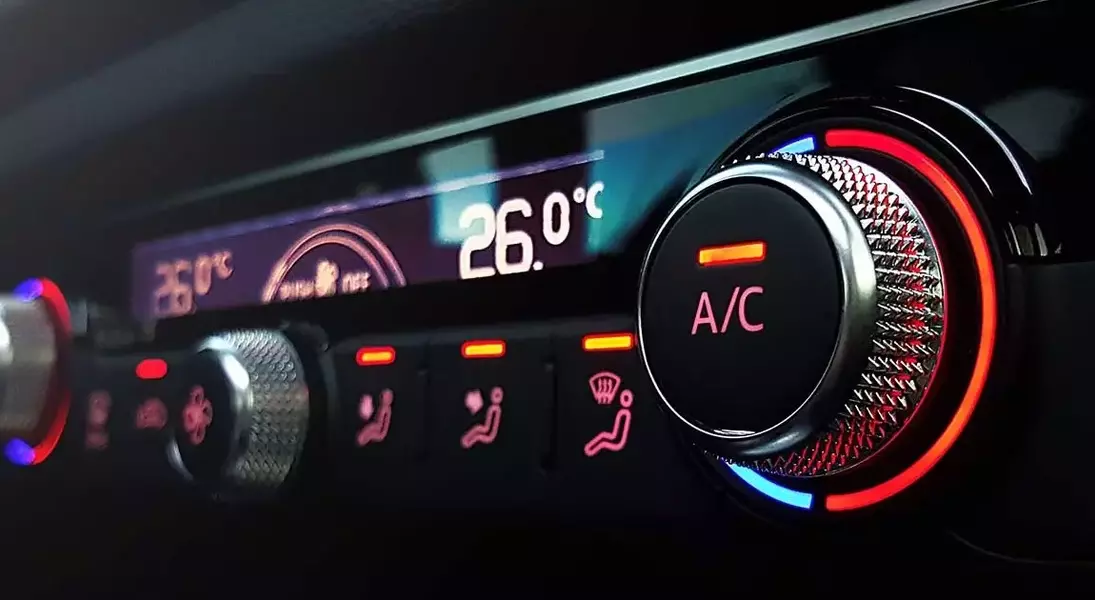

A persistent legal challenge spanning eight years continues to plague General Motors, centering on allegations of defective air conditioning systems within a range of its popular trucks and SUVs manufactured between 2014 and 2017. This extensive litigation claims that a design flaw, specifically involving a 'combi-cooler' unit, leads to premature refrigerant loss and costly repair bills for vehicle owners. While plaintiffs are pushing for a class-action designation across five states, GM is actively resisting, asserting that the complaints are too diverse and that many affected customers have either not experienced the issue or have already received complimentary repairs. This prolonged dispute highlights significant concerns regarding the reliability of essential components in some of GM's most prominent models.
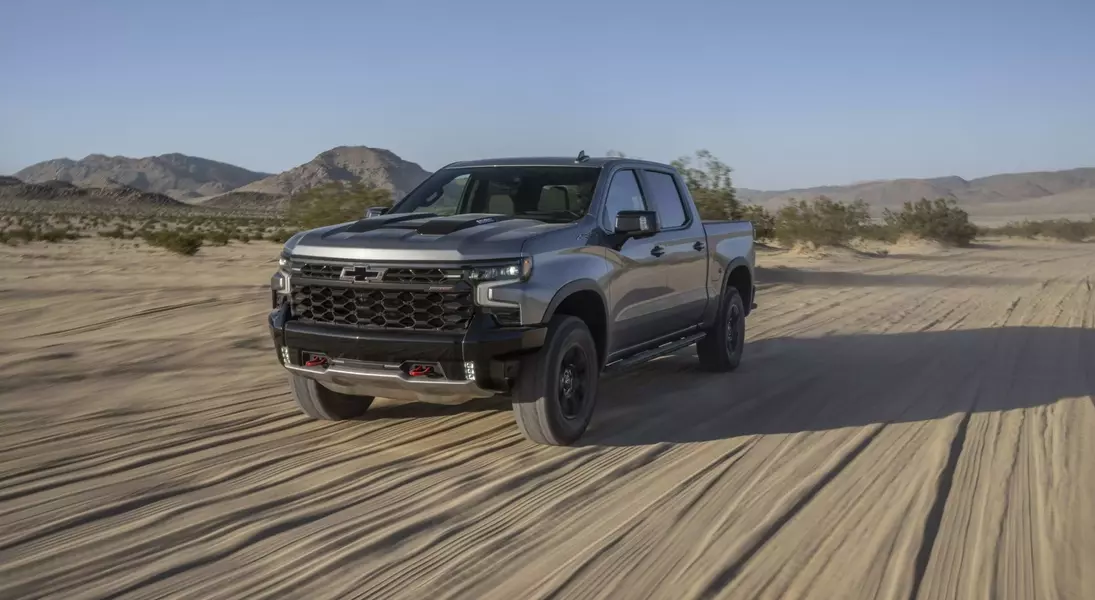
The central point of contention in this ongoing legal saga, formally known as In re: General Motors Air Conditioning Marketing and Sales Practices Litigation (No. 18-md-02818), focuses on the air conditioning setup in specific models. These include the 2014-2017 Chevrolet Silverado 1500 and GMC Sierra 1500 pickups, alongside the 2015-2017 Chevrolet Tahoe, Suburban, GMC Yukon, and Cadillac Escalade SUVs. Owners of these vehicles report that the integrated 'combi-cooler,' which combines the A/C condenser with the transmission oil cooler, is susceptible to thermal stress. This stress, caused by significant temperature fluctuations, can reportedly lead to cracks in an attached component, allowing refrigerant to escape and ultimately rendering the air conditioning system ineffective.
Beyond the 'combi-cooler' issues, previous court filings also cited weaknesses in the discharge lines and condensers themselves, claiming they were prone to rupturing or separating, further contributing to refrigerant leakage. The plaintiffs contend that General Motors was aware of these design shortcomings as early as 2013 but continued to implement the faulty design, leaving consumers to shoulder substantial repair expenses, often compounded by part shortages. Furthermore, the lawsuit argues that these A/C malfunctions pose a safety risk, as fogged windows and excessively hot cabin temperatures can impair driving conditions, particularly in regions with high ambient temperatures where these vehicles are widely used.
Despite the advanced stage of this legal battle, now in its eighth year, securing class-action certification remains a hurdle. Plaintiffs have refined their scope, now seeking class status exclusively for vehicle purchasers in California, Florida, Michigan, Tennessee, and Washington. General Motors staunchly opposes this, arguing that the diverse nature of individual claims and the varying state laws make a unified class action impractical. The company emphasizes that a significant number of owners either did not encounter AC problems or received free servicing if they did. Citing recent appellate court decisions, GM maintains that even a five-state class would be administratively unwieldy, echoing a pattern seen in other defect litigations, such as a separate consolidated case concerning V8 engine issues.
The outcome of this protracted lawsuit carries substantial implications for both General Motors and its extensive customer base. This case does not target niche models but rather key full-size pickups and SUVs that were foundational to GM's truck division last decade and continue to influence the brand's perception. While GM invests heavily in new gas-powered vehicles and advanced technological features, an eight-year dispute over a fundamental component like air conditioning contradicts a narrative of seamless, modern vehicle ownership. Should the court grant class certification and rule in favor of the plaintiffs, GM could face widespread demands for reimbursement of repair costs and potential claims for diminished vehicle value. Conversely, if class certification is denied, affected owners who have paid for repairs out-of-pocket may find themselves pursuing individual claims, a more challenging and less efficient legal avenue.
