
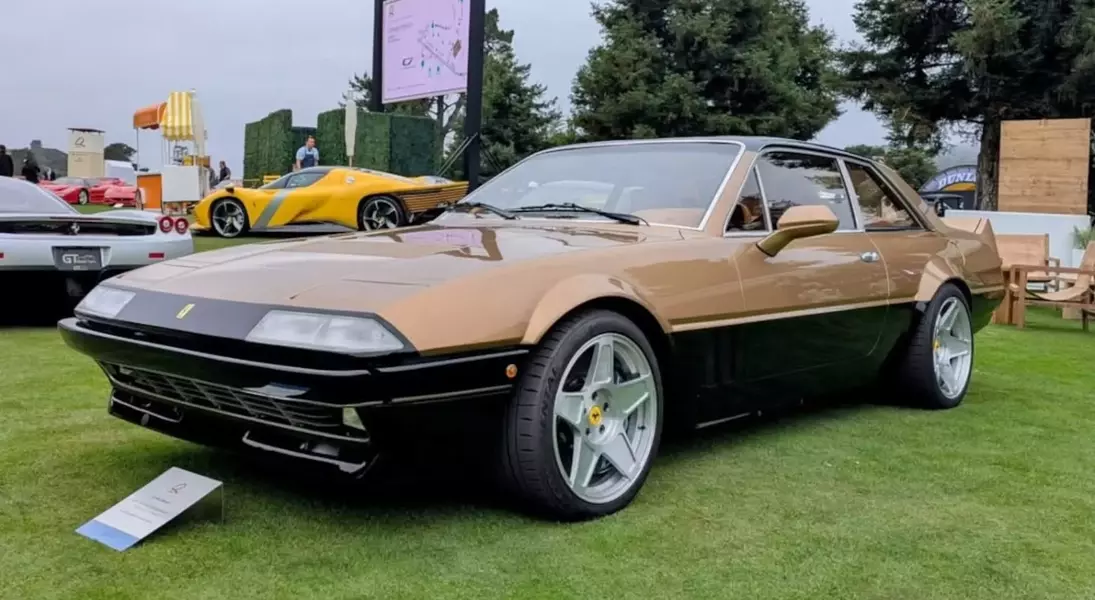
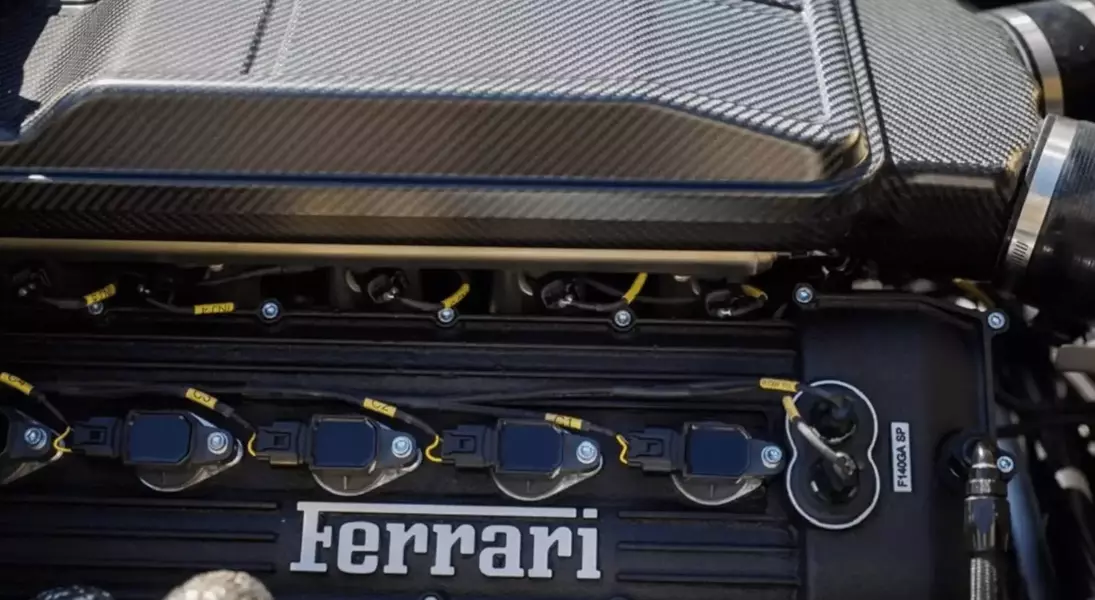
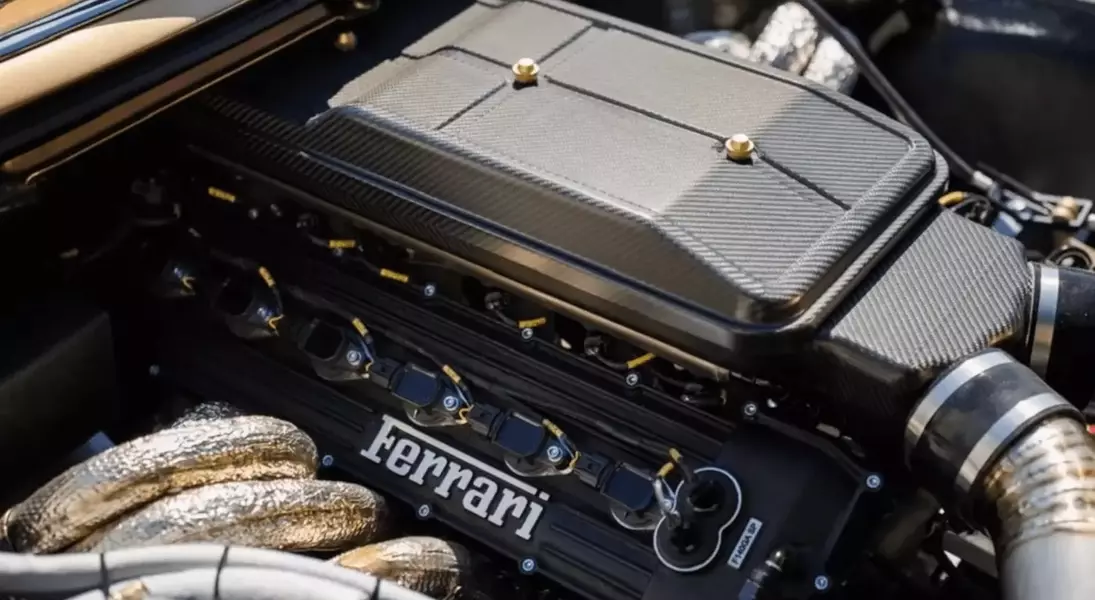
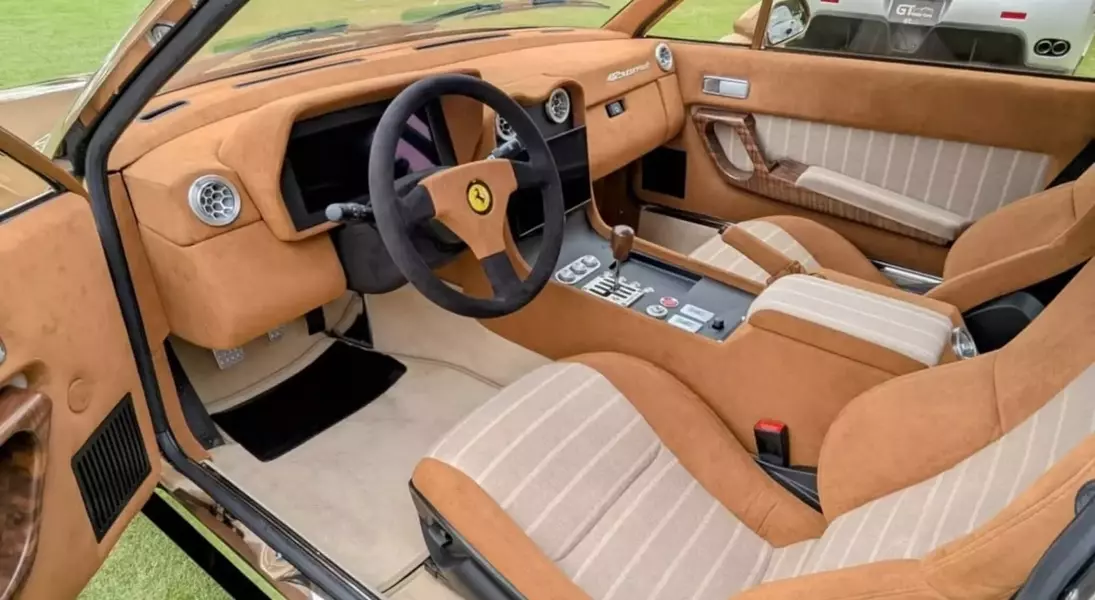
A remarkable automotive endeavor by Otsuka Maxwell Design has brought to life the 412 Superfast, a custom 1987 Ferrari 412 that represents a colossal investment of $1.8 million. This project marries the nostalgic appeal of a classic Ferrari with the formidable power of a contemporary 6.5-liter V12 engine sourced from an 812 Superfast, resulting in a vehicle boasting over 700 horsepower. The extensive restoration, requiring more than 5,000 hours of labor and integrating over 500 bespoke components, has reimagined this distinctive model. The interior, adorned with rare materials, further elevates its status as a luxurious and performance-driven classic.
This ambitious restomod underscores a deep appreciation for the original Ferrari 412, a model often overlooked in Maranello's illustrious history. The transformation is not merely about mechanical upgrades; it's a holistic reimagining that touches every aspect of the vehicle, from its external aesthetics to its internal comforts. The meticulous attention to detail and the integration of modern technology within a classic shell highlight the evolving landscape of automotive customization, where passion and engineering prowess converge to create truly unique masterpieces.
The Rebirth of a Classic: Exterior and Performance Enhancements
The 412 Superfast, a highly customized 1987 Ferrari, showcases an exceptional fusion of vintage design and modern engineering, with a total investment reaching $1.8 million. This one-of-a-kind vehicle now features the potent 6.5-liter V12 powerplant from a Ferrari 812 Superfast, delivering in excess of 700 horsepower. The extensive overhaul involved over 500 bespoke components and approximately 5,000 man-hours, transforming the once-understated Ferrari 412 into a high-performance machine while retaining its core identity.
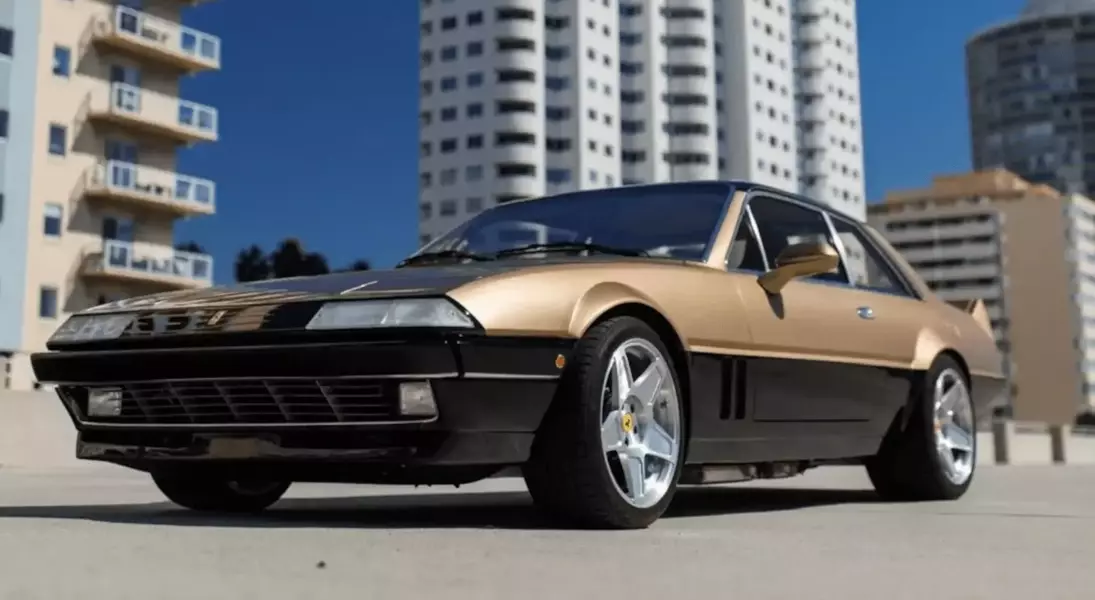
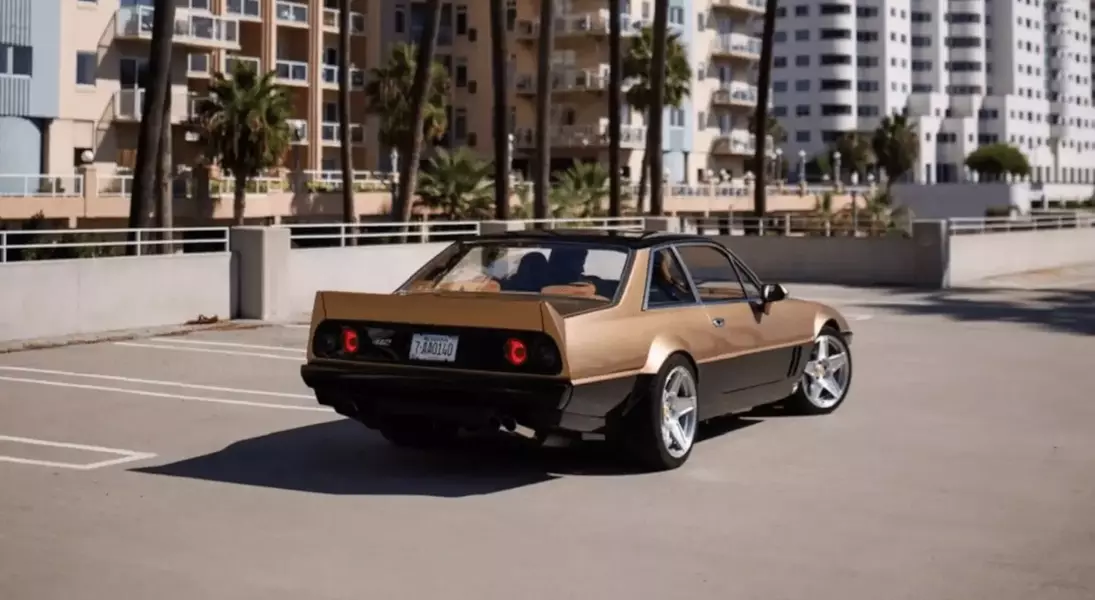
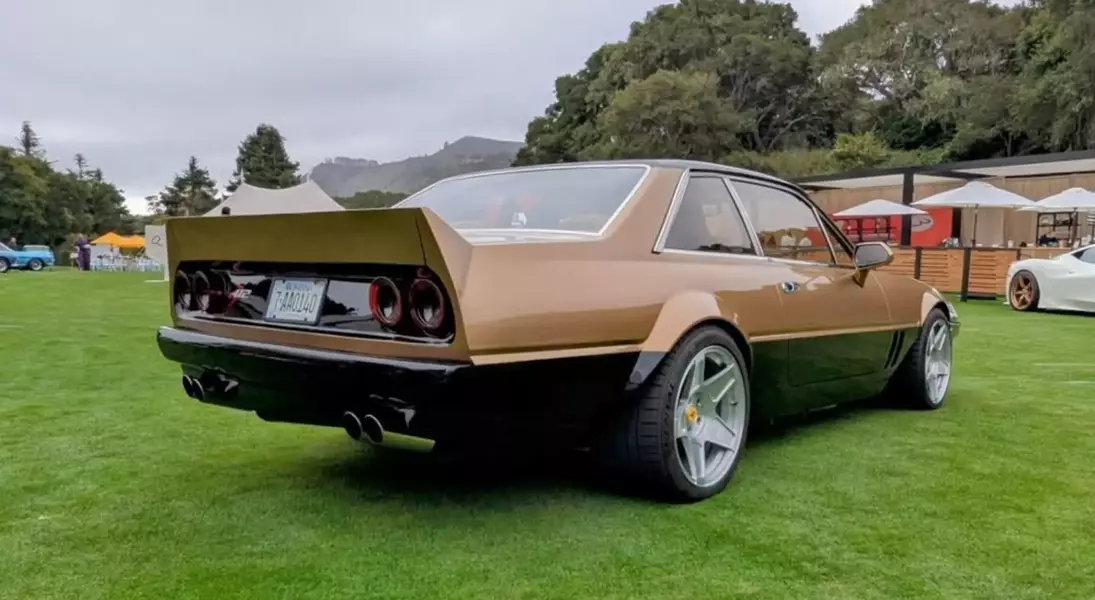
While maintaining the original frame rails and glass (though new windshields were installed), nearly every other aspect of the car has been meticulously re-engineered or replaced. Exterior modifications include subtly integrated bumpers, metal flares on the fenders, and a custom metal rear spoiler. The original pop-up headlights were replaced with sleeker, custom-designed units inspired by the Mondial and F40, and the taillights were adopted from the 812 Superfast. The side mirrors, surprisingly, are from a 2016 Chevrolet Camaro, chosen for their wedge shape and electronic adjustability without intrusive radar features. The car boasts a distinctive two-tone "Superfast Gold" and black paint scheme, complemented by custom 18-inch Brixton Forged wheels. These wheels conceal carbon-ceramic brakes from a Ferrari F430, utilizing a brake booster from a Ferrari FF. A larger 412 Superfast badge, designed in the 812's font, prominently signifies this unique creation.
Luxury and Innovation: Interior and Mechanical Upgrades
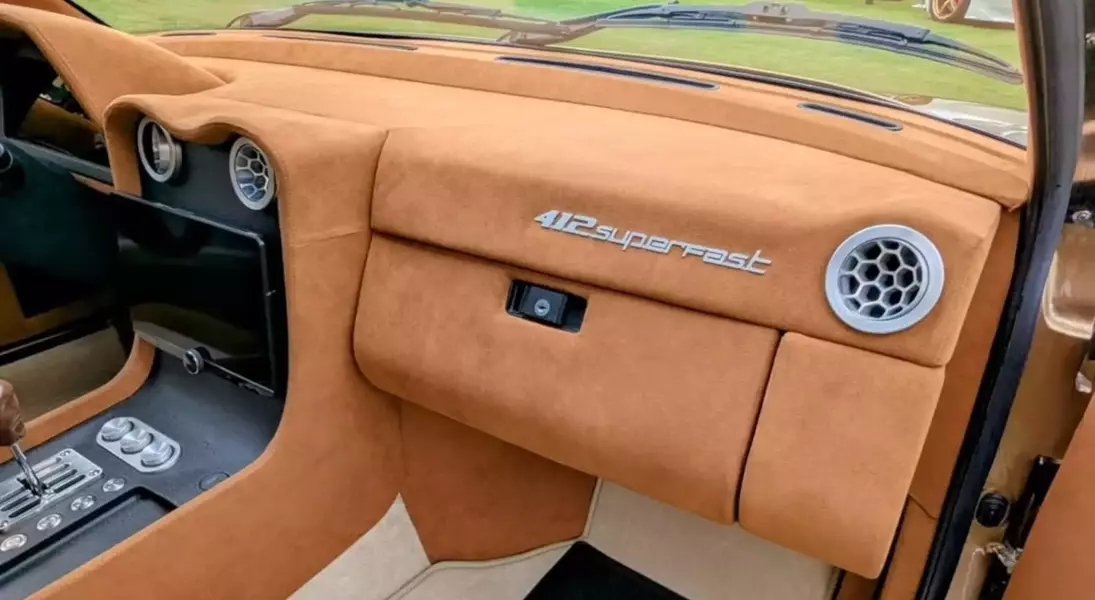
The interior of the 412 Superfast reflects an uncompromising commitment to luxury and bespoke craftsmanship, utilizing materials like Alcantara throughout, including the steering wheel. Beyond aesthetic refinements, the mechanical heart of the vehicle has undergone significant transformation, centered around the F140GA engine. This powerhouse, now with custom valve covers reminiscent of 1980s and 1990s F1 cars, boasts over 700 wheel horsepower and more than 500 lb-ft of torque at 3,500 rpm. Such performance is achieved through a standalone Motec C1212 ECU, port injection, individual throttle bodies, a carbon fiber plenum, and a specialized fuel blend of E85 and 91 octane, ensuring a potent and responsive driving experience.
One of the most remarkable mechanical feats was the conversion of an automatic Ferrari 599 transaxle into a manual transmission, a challenging endeavor given the 812 Superfast's lack of a manual option. The car's dynamics are further enhanced by in-house-designed CNC A-arms and a custom steering rack, while a Bosch Motorsports ABS system provides superior braking control. Additional practical upgrades include a larger radiator, a bespoke air-conditioning system, and a Toyota windshield wiper motor for variable speeds. The cabin's luxury is highlighted by Mongolian Cashmere upholstery for the seat centers and door cards, priced at an astonishing $1,000 per yard. Door handles and the gear knob are crafted from Bastogne walnut, harvested in the same year the original car was made, adding a layer of historical authenticity at a cost of $3,800. Electronically adjustable Sabelt seats with carbon backs and Rolls-Royce-grade carpet complete the lavish interior. Modern infotainment is provided by an Excelon system with CarPlay, and custom buttons offer control over wet mode, traction control deactivation, and launch control. This extraordinary blend of heritage, performance, and opulence justifies the substantial $1.8 million investment, though its distinctive aesthetic may still divide opinion.
