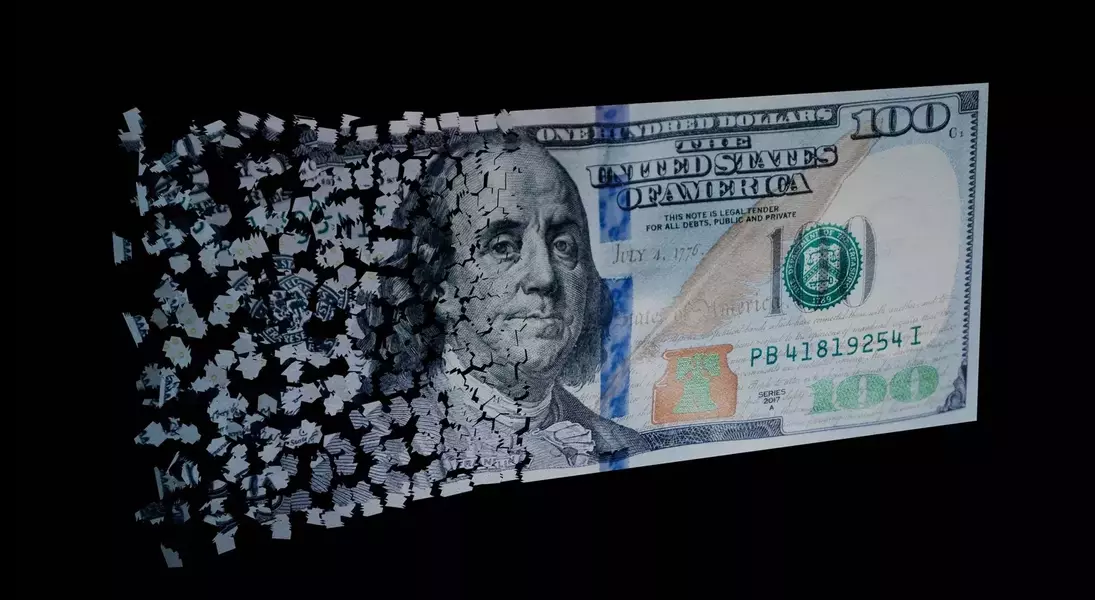
The US dollar has long been the dominant force in global finance, serving as the world's primary reserve currency and the bedrock of international trade. However, a growing trend known as "de-dollarization" is challenging this supremacy, as nations seek to reduce their dependence on the greenback. This comprehensive overview explores the concept of de-dollarization, its underlying mechanisms, potential impacts, and its current trajectory in the ever-evolving global economic arena.
Navigating the Evolving Landscape of Global Finance: The De-Dollarization Phenomenon
Understanding the Concept of De-Dollarization
De-dollarization signifies the strategic initiative by countries to lessen their reliance on the U.S. dollar, which has historically functioned as the leading reserve currency in the international financial system. This movement seeks to diversify global financial assets and transactions, reducing the profound influence of the dollar on national economies and international commerce.
The Operational Dynamics of De-Dollarization
Nations pursuing de-dollarization employ diverse strategies. Central banks may opt to diversify their foreign exchange reserves, shifting away from dollar-denominated assets toward other currencies or commodities like gold. Additionally, countries are increasingly entering into bilateral agreements to facilitate trade using their own national currencies, thereby bypassing the traditional intermediary role of the U.S. dollar.
The Potential Ramifications of De-Dollarization on the Global Economy
Should the U.S. dollar's global standing diminish significantly, the implications for the American and global economies could be substantial. The U.S. might face increased borrowing costs and challenges in financing its deficits, while the global financial system could experience a shift in power dynamics, fostering a more multipolar currency environment.
Current Status of De-Dollarization: A Shifting Tide?
While the U.S. dollar maintains its prominent position, the discourse around de-dollarization has intensified, particularly in the wake of geopolitical events such as the conflict in Ukraine. The imposition of sanctions by the U.S. highlighted the dollar's punitive power, prompting some nations to actively seek alternatives. This has led to an increase in non-dollar denominated trade and a diversification of reserve assets globally.
De-Dollarization in Practice: Real-World Scenarios
A prime example of de-dollarization in action is the shift by various central banks to increase their holdings of alternative currencies or gold as part of their reserve portfolios. Furthermore, countries are increasingly settling international trade transactions directly in their national currencies, circumventing the need for dollar conversion. These actions aim to reduce exposure to dollar-centric policies and bolster economic sovereignty.
Driving Forces Behind the De-Dollarization Trend
The push for de-dollarization is largely a response to the perceived hegemony of the U.S. dollar. Nations are increasingly seeking to mitigate the risks associated with an over-reliance on a single currency, especially when that currency is wielded as a tool of economic policy by another sovereign state. This quest for financial autonomy and resilience against external economic pressures is a significant catalyst for the de-dollarization movement.
The Evolving Role of the U.S. Dollar in the Global Financial Framework
Despite the growing momentum behind de-dollarization, the U.S. dollar currently retains its status as the world's primary reserve currency and a crucial medium for international commerce. However, historical precedents suggest that no single currency's dominance is permanent. The ongoing discussions and actions by major economic players indicate a potential, albeit gradual, evolution in the global financial architecture, prompting careful observation of the dollar's long-term trajectory.
