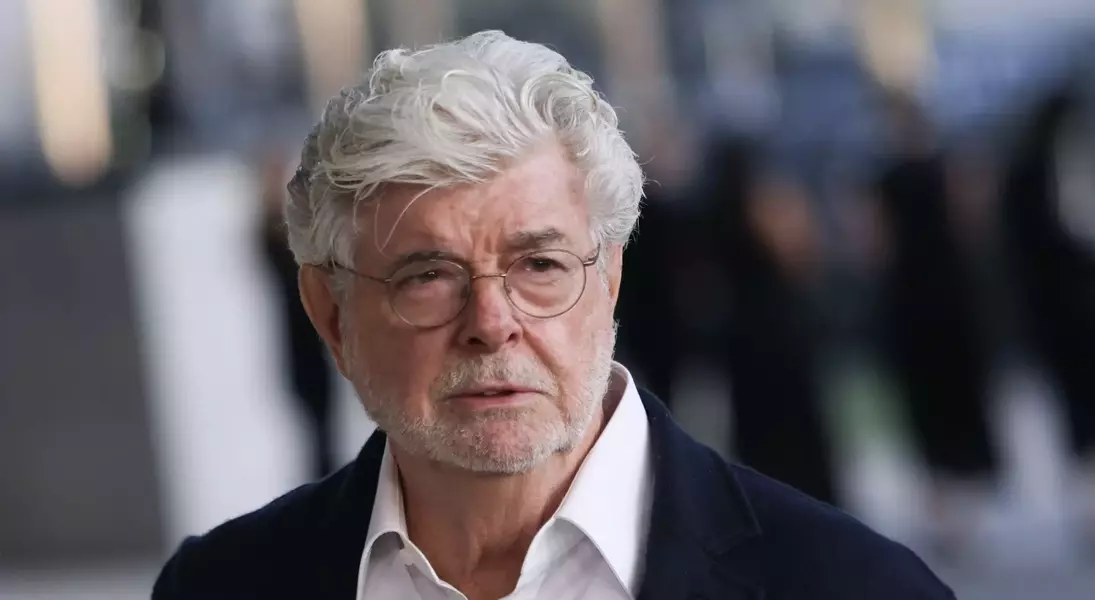
Renowned filmmaker George Lucas has voiced his opinions on artificial intelligence in cinema, drawing parallels between skepticism toward AI and an old-fashioned dismissal of automobiles for horse-drawn carriages. He contends that AI is a natural evolutionary step, not merely a new tool, and that resistance to it is futile, echoing a sentiment that "it's the future."
Lucas maintains that AI streamlines the filmmaking process, making production more accessible. He minimizes the distinction between AI and other technological shifts, such as digital cameras, which he believes some directors unfairly rejected. However, critics argue that AI's reliance on vast amounts of existing human-created content to generate new material raises ethical concerns about intellectual property and creative authenticity, a point Lucas seems to overlook.
Interestingly, Lucas also believes that AI can be leveraged to address its own potential shortcomings. He suggests that AI could be used to detect fabricated content and trace its origins, implying that technology itself holds the key to mitigating misuse. This perspective highlights a belief in technology's self-correcting capacity and the idea that human accountability should extend to the digital realm.
This discussion around AI in creative fields underscores a larger societal dialogue about progress and responsibility. Embracing new technologies like AI, while acknowledging their transformative potential, also necessitates a clear understanding of their ethical implications and the need for robust frameworks to ensure their responsible development and application. It is crucial to foster an environment where innovation thrives alongside a commitment to fairness and artistic integrity, guiding technology towards enhancing human creativity rather than diminishing it.
