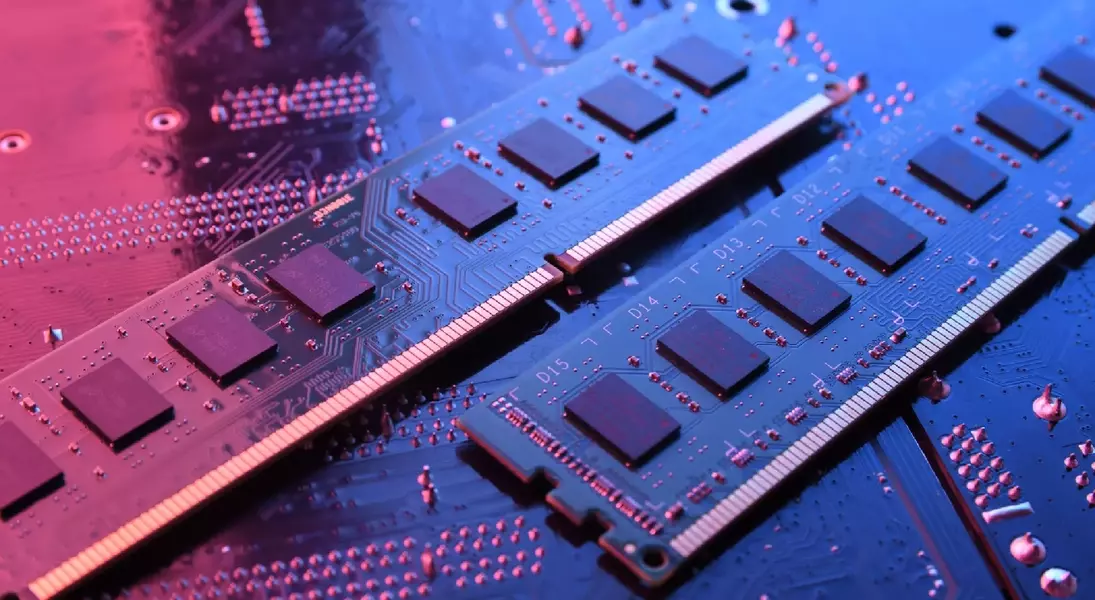
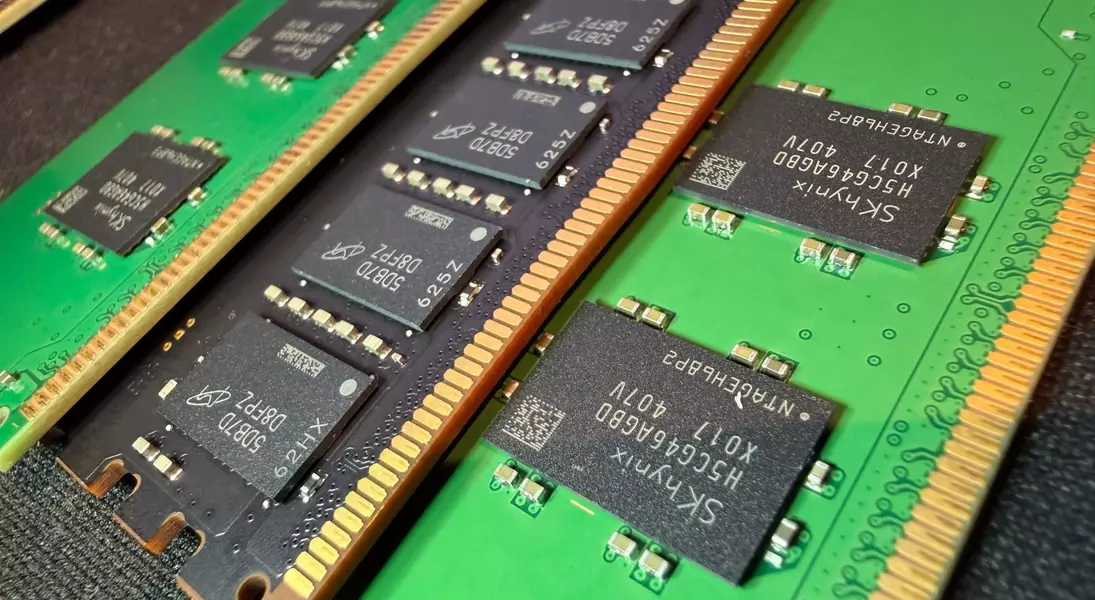
Recent analysis suggests a substantial deficit in the availability of Dynamic Random Access Memory (DRAM) by the year 2030. This forecast aligns with previous cautions issued by prominent figures within the memory industry. The anticipated shortage is attributed to escalating demand, particularly from the artificial intelligence sector and large data centers, and is expected to have repercussions for the consumer electronics market.
Citrini's research highlights an projected shortfall of 28.7 exabytes from a total worldwide demand of 157.5 exabytes. While this figure encompasses various memory types, standard DRAM is identified as the primary constraint. Even with increased manufacturing efforts, including significant contributions from Chinese memory producers, the gap between what is needed and what can be supplied is predicted to widen. This situation is further complicated by the omission of “physical AI” demands (such as robotics and autonomous vehicles) from current models, implying the actual shortage could be even more severe. Consequently, the average selling price of DRAM is expected to remain elevated, possibly ranging from $1.5 to $2.0 per gigabyte.
The implications for consumers, particularly PC enthusiasts, are concerning. The analysis points out that the projected unfulfilled demand for memory will exceed the current consumer market's requirements, suggesting that individuals seeking RAM upgrades may face difficulties in sourcing components or encounter inflated costs. Although technological advancements, such as Google's TurboQuant algorithm, offer potential solutions for reducing AI memory consumption, it remains uncertain whether these innovations will alleviate the overall demand pressure or simply facilitate further expansion of AI applications.
The increasing integration of AI across various industries signifies a profound technological shift. For the PC gaming community and general consumers, adapting to this evolving landscape means being prepared for potential volatility in component availability and pricing. Manufacturers and researchers alike must collaborate to innovate production methods and explore efficiency gains to ensure a stable and accessible memory supply for all segments of the technology market.
