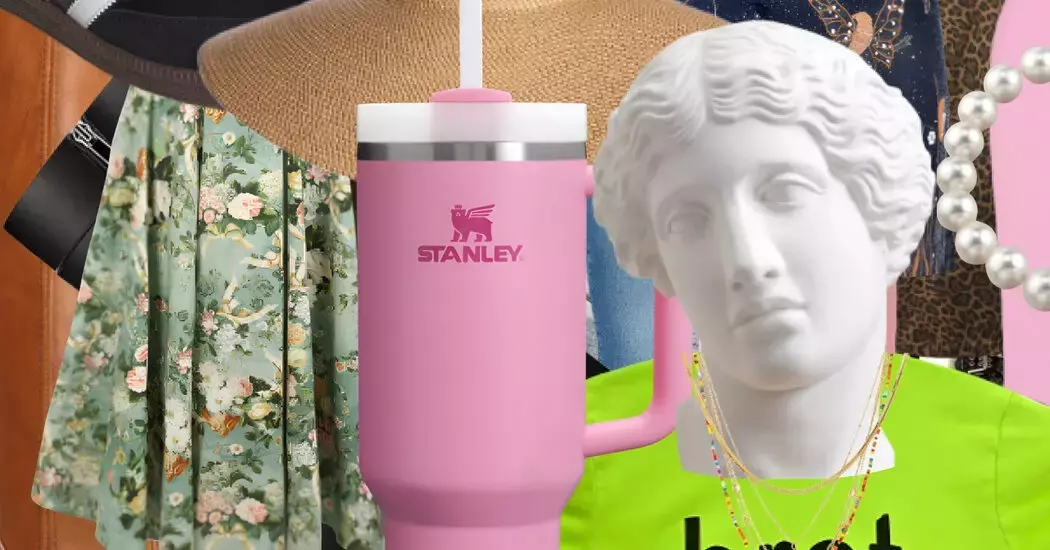
The rapid evolution of fashion trends has turned social media into a relentless stream of fleeting aesthetics. Young adults today face an endless barrage of new styles and products, each vying for their attention and wallets. This constant pressure to keep up can be both financially draining and mentally exhausting. For many members of Gen Z, staying current feels less like a choice and more like a necessity imposed by the digital world.
Young people are increasingly aware of how these trends exploit their insecurities for profit. Neena Atkins, a high school junior, described feeling bombarded by product recommendations that change as quickly as they arrive. Similarly, Lina, a freshman from Indiana, observed the wastefulness in classmates constantly chasing after the next big thing. James Oakley, a college student, noted that the sheer volume of microtrends makes it nearly impossible to participate meaningfully. This awareness has led some to step back from the trend cycle, focusing instead on sustainable and lasting choices.
Despite this fatigue, the allure of fitting in remains strong. Francesca Oliva, a college freshman, recalled feeling pressured to adopt the "VSCO girl" look during middle school, only to realize later how superficial it felt. She now prioritizes quality over quantity, opting for clothes that will stand the test of time. The desire to break free from the trend hamster wheel is growing, but so too is the irony of labeling anti-trend movements as trendy themselves. Abner Gordan, a college student in New York City, points out the paradox: even rejecting trends has become a trend.
In response to this overwhelming environment, some young people are embracing minimalism and underconsumption. Hana Tilksew, a college student near Fresno, found relief in deleting TikTok, while others have documented their efforts to reduce shopping through "low-buy years." Yet, the question remains whether this shift marks a genuine move away from trend culture or simply another phase in its endless cycle. As Gen Z matures, the hope is that they will find balance and authenticity amidst the chaos, fostering a more thoughtful approach to consumption and identity.
