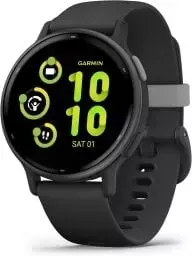
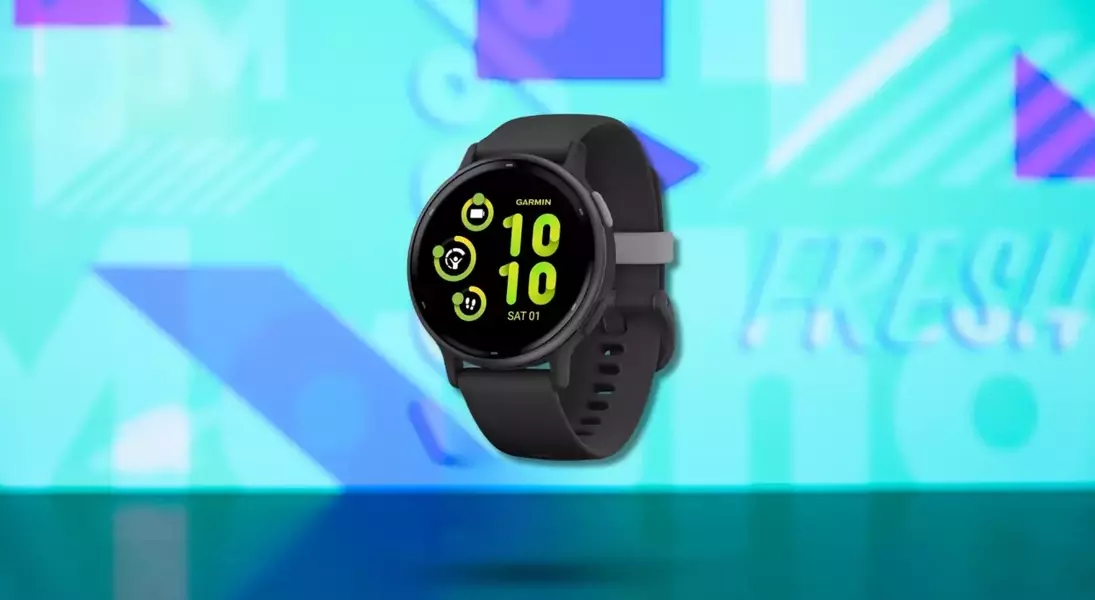
The Garmin vívoactive 5 represents a substantial evolution from its forerunner, the vívoactive 4, which has since been discontinued. This latest iteration addresses many of the perceived limitations of the earlier model, introducing a suite of advanced functionalities that position it as a formidable device for health and fitness tracking. Its refined design, coupled with an improved display and extended battery life, enhances the user experience. The vívoactive 5's inclusion of sophisticated recovery metrics and training insights previously exclusive to higher-end Garmin devices makes it a compelling proposition for those serious about optimizing their physical well-being. This review delves into the key enhancements and a few notable omissions, providing a comprehensive overview of why the vívoactive 5 is a worthwhile investment for fitness enthusiasts.
My personal journey with Garmin devices began with the vívoactive 4, a transitional step from simpler fitness trackers into the realm of more serious running watches. While initially impressive, I soon recognized its inherent constraints. The subsequent arrival of the vívoactive 5, however, felt like a natural progression, filling the gaps I had identified in its predecessor. The aesthetic transformation of the vívoactive 5 is immediately apparent; it boasts a less cumbersome profile than the vívoactive 4, effectively bridging the gap between a dedicated fitness tracker and a fashionable smartwatch. Its sleek appearance and vibrant display contribute to a premium feel, akin to the sophisticated Venu 3.
A standout feature of the vívoactive 5 is its remarkable battery endurance, capable of powering through up to 11 days in smartwatch mode and approximately 18 hours with continuous GPS usage. This impressive longevity aligns with the performance of Garmin's more advanced models, such as the Forerunner series, significantly reducing the frequency of charging and simplifying daily use. Furthermore, the device upholds Garmin's reputation for delivering unparalleled statistical and tracking capabilities. It offers an expansive array of health metrics, encompassing heart rate variability, blood oxygen saturation (SpO2), stress levels, and an in-depth analysis of sleep patterns. The smartwatch also facilitates convenient smart notifications, music control, and contactless payment options.
A key differentiator that elevates the Garmin vívoactive 5 is its integration of several advanced recovery and fitness tools, features that were previously exclusive to Garmin's premium-tier offerings. Among these, 'Training Readiness' stands out as a particularly valuable metric. This innovative data point synthesizes various physiological indicators, including sleep quality, heart rate variability (HRV) status, recent physical activity, recovery duration, and stress levels, to generate a daily score reflecting the body's optimal state for training. While personal perception remains paramount, this feature serves as an invaluable guide, helping users prevent overtraining and make informed decisions about when to intensify their workouts and when to prioritize rest. The absence of such a comprehensive metric in the vívoactive 4 was a significant factor that prompted my transition to the newer model.
The vívoactive 5 also incorporates 'Workout Benefit,' which provides insights into how each training session contributes to specific fitness goals, such as improving endurance or strength. Additionally, 'Recovery Time' offers a visual representation of the cumulative impact of training and rest on the body. While these tools should always complement one's innate understanding of their physical state, they prove especially beneficial when preparing for demanding events like marathons or triathlons, emphasizing the critical role of adequate rest. The vívoactive 4 notably lacked these sophisticated features. Coupled with HRV status monitoring, a dedicated sleep coach, automatic nap detection, and more nuanced 'Body Battery' insights, the vívoactive 5 emerges as a considerably more serious and capable fitness watch. These enhancements alone justify its consideration as a worthy upgrade.
However, the vívoactive 5 is not without its compromises. A surprising omission is the altimeter, a sensor designed to measure elevation above sea level. This feature, present in the vívoactive 4, is crucial for accurately tracking metrics like climbed floors and elevation gains during outdoor activities such as hiking or trail running. While the built-in GPS can provide some elevation data, it is generally less precise than a dedicated altimeter. This represents a perplexing step backward, particularly given the vívoactive 5's otherwise advanced fitness capabilities. For individuals where precise elevation tracking is a critical requirement, alternative Garmin models like the Forerunner 955, or even the Fitbit Versa 4, might be more suitable. Nevertheless, if highly accurate elevation statistics are not a primary concern, the vívoactive 5 remains an excellent choice for a wide range of users, offering a compelling blend of style, functionality, and advanced health insights.
