



The gaming industry is currently navigating a period of significant upheaval, marked by widespread layoffs at major companies like Epic Games. These workforce reductions, occurring despite the continued success of flagship titles such as Fortnite, have ignited a debate about the industry's financial health and the long-term viability of ambitious, often speculative, ventures like the metaverse. The challenges faced by Epic Games, including the underperformance of several metaverse-related projects and the rising costs within Fortnite, serve as a stark reminder of the volatile nature of the tech and entertainment sectors. This situation prompts a critical examination of investment strategies, the impact of tech trends on creative industries, and the ultimate human cost when these bold experiments fail to deliver expected returns.
The Metaverse Conundrum and Epic Games' Stumbles
Despite Fortnite's sustained popularity, Epic Games has recently made headlines with significant layoffs, prompting critical questions about the company's financial strategies and the broader gaming industry's direction. Analysts and observers are pondering how a company with substantial annual revenues could resort to such measures. One prevailing theory suggests that Epic's extensive investments in transforming Fortnite into a comprehensive social and virtual hub, often referred to as the metaverse, have not yielded the anticipated returns. This ambitious vision aimed to create an interconnected digital space where players could seamlessly transition between diverse gaming experiences and social interactions. However, the path to realizing this metaverse dream has been fraught with challenges and costly missteps.
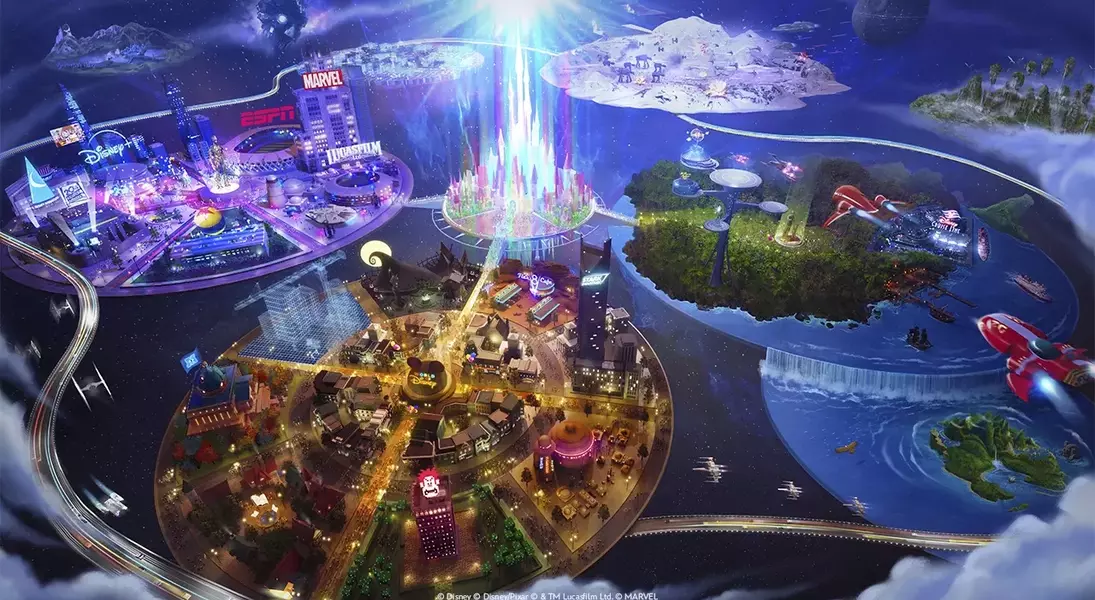
Epic Games' metaverse endeavors, including the development of a Disney universe within Fortnite, have encountered various obstacles, with several associated projects failing to gain traction or being discontinued. The much-hyped Lego Fortnite, for instance, saw initial enthusiasm fizzle out, and other ventures like Fortnite Festival music modes and the Rocket Racing arcade racer were ultimately abandoned. While user-created Creative maps have found some success, leading to phenomena like 'Steal the Brainrot,' these initiatives have not fully transformed Fortnite into a Roblox-like platform, capable of generating substantial, consistent revenue from its metaverse aspirations. This scenario highlights the inherent risks in pursuing large-scale, speculative tech trends, underscoring how even a highly successful game franchise can be impacted by costly investments that do not align with market realities or player engagement patterns. The gaming industry's susceptibility to these fads, much like the prior obsessions with crypto and NFTs, can lead to significant financial strain and, ultimately, human cost, as evidenced by the recent layoffs.
The Broader Impact of Tech Fads on the Entertainment Industry
The challenges confronting Epic Games extend beyond just one company, mirroring a broader pattern where the entertainment industry, particularly gaming, frequently succumbs to the allure of fleeting tech trends. This phenomenon was previously observed with the short-lived frenzy around NFTs and crypto, and it is now evident in the pursuit of AI-driven content generation, as seen with Disney's brief engagement with OpenAI's Sora. These rapid shifts in technological focus often lead to substantial financial commitments without a clear understanding of market demand, long-term viability, or ethical implications. Such speculative investments can divert resources from core creative endeavors and ultimately result in significant losses, both monetary and reputational, when these ventures fail to materialize or are met with public resistance.
The rejection of AI-powered upgrades by gamers, exemplified by the 'DLSS 5 debacle,' further illustrates the entertainment industry's unique position as both a technological and an artistic domain. Unlike pure tech companies, gaming and other creative sectors must balance innovation with artistic integrity and audience preferences. When technology is imposed without genuine demand or clear benefits, it can lead to consumer backlash and a waste of resources. The consequences of these misjudgments are far-reaching, impacting not only the companies' bottom lines but also the livelihoods of employees, as tragically demonstrated by the recent layoffs at Epic Games. This ongoing cycle of embracing unproven tech fads underscores the critical need for thoughtful, long-term strategic planning that prioritizes genuine value creation and audience engagement over speculative technological pursuits in the entertainment landscape.
