
Obsidian's design director, Josh Sawyer, recently shared his insights into the profound role of artistic inspiration in crafting video games. He posits that games, much like any other art form, should aspire to evoke deep thoughts and feelings in players, extending beyond simple amusement. Sawyer firmly believes that this artistic drive should permeate every stage of game development.
The Core of Creative Game Development
In a recent online discussion, Josh Sawyer addressed the persistent question of whether game design prioritizes artistic vision or systematic functionality. His nuanced response underscores that true artistic inspiration is an ever-present force. He argues that at the heart of the design process lies the intent to provoke specific thoughts or emotional responses in the player, viewing games as a medium for profound experiences rather than just fleeting fun.
Unlike other media, players often immerse themselves in a single video game for hundreds of hours. For Sawyer, whose expansive titles like 'Fallout: New Vegas' can easily surpass a hundred hours of gameplay, achieving this goal necessitates constant re-evaluation. This includes not only major story arcs and character interactions but also the minute-to-minute mechanics that constitute the bulk of the player's journey.
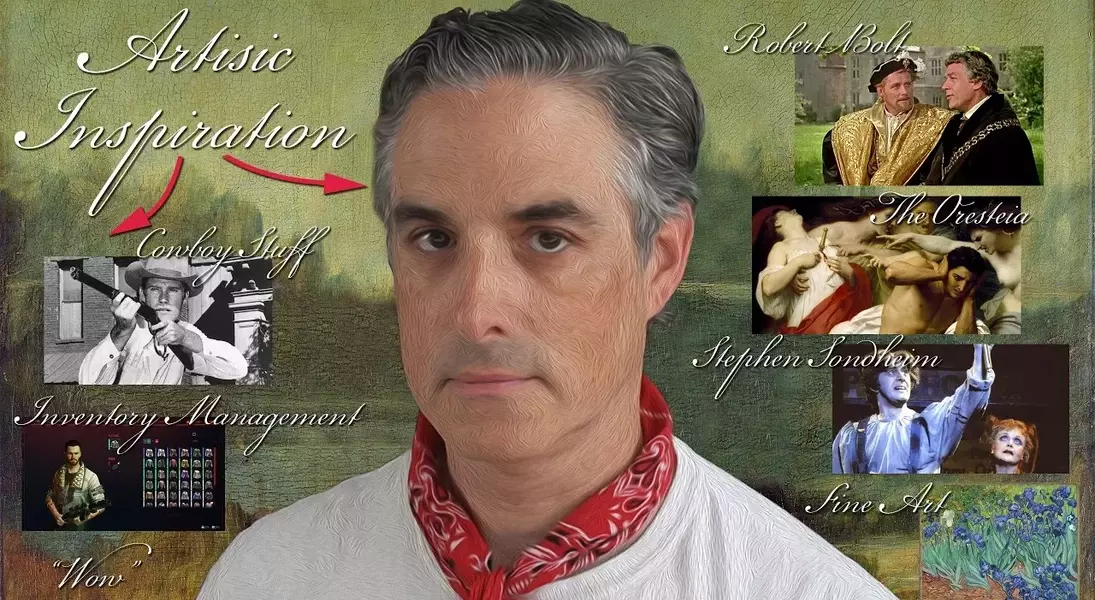
For instance, in 'Fallout: New Vegas', the inclusion of authentic looping reloads and hammer-fanning animations was a deliberate artistic choice to reinforce the game's "cowboy" aesthetic. Similarly, in 'Pentiment', where players face agonizing moral dilemmas, the design aimed to make every choice feel weighty and challenging. Players are forced to confront difficult decisions, pondering the ethical implications and the inevitable consequences of their actions.
Sawyer also detailed how even seemingly mundane elements, such as inventory systems in 'Pillars of Eternity', are infused with artistic intent. While these systems may momentarily disrupt immersion, they are designed to shift players into a different cognitive mode, encouraging strategic thinking about value, weight, and resource management. The names of 'Chanter' abilities in 'Pillars of Eternity' were crafted to echo historical songs and plays, inviting players to delve deeper into the game's lore and imagine the rich cultural tapestries that inspired them.
He emphasizes that artistic inspiration draws upon universal symbols, archetypes, tropes, and aesthetic styles. Sawyer's own work is a testament to this eclectic approach, with influences ranging from Robert Bolt's screenplays for 'Lawrence of Arabia' to the "agonizing" moral complexities of classical Greek theater. He cites diverse sources like Sondheim musicals, medieval illuminated manuscripts, art books from his sculptor father (featuring artists like Modigliani and Wyeth), the stark beauty of a Rothko painting, and even the misinterpreted lyrics of a Florence and the Machine song.
Sawyer concludes that artistic inspiration is boundless and should be a continuous thread woven throughout the entire creative process of game development.
Josh Sawyer's philosophy offers a compelling vision for game design, one that transcends technical mastery to embrace the transformative power of art. His emphasis on drawing from a wide spectrum of creative disciplines encourages designers to cultivate a rich internal library of influences, ensuring that games continue to evolve as a deeply meaningful and emotionally resonant medium. By embracing diverse inspirations, game developers can craft experiences that not only entertain but also challenge, provoke, and resonate with players on a profound level.
