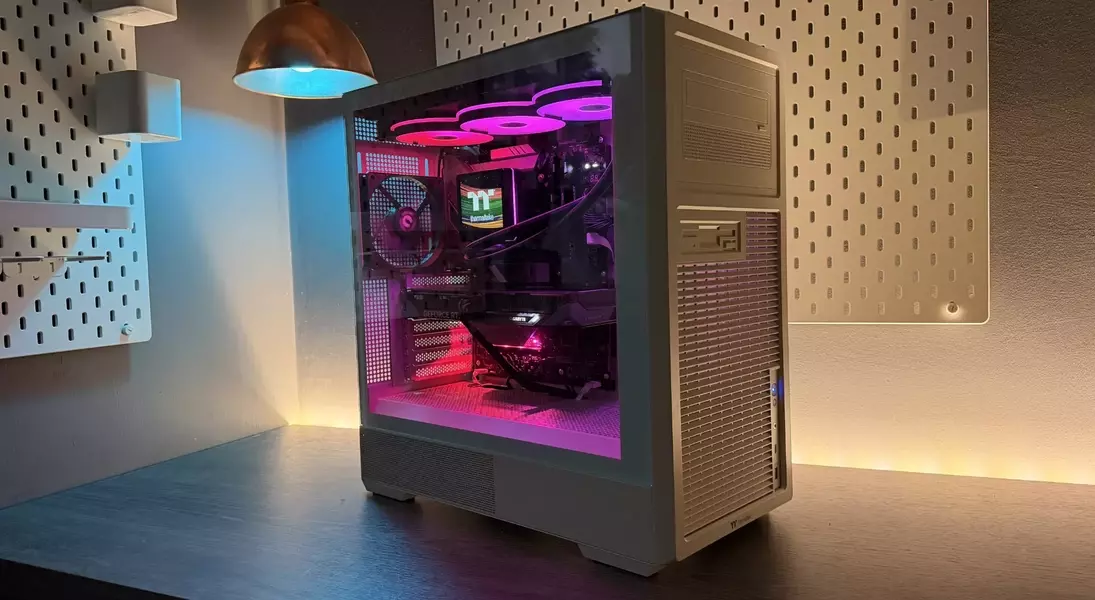
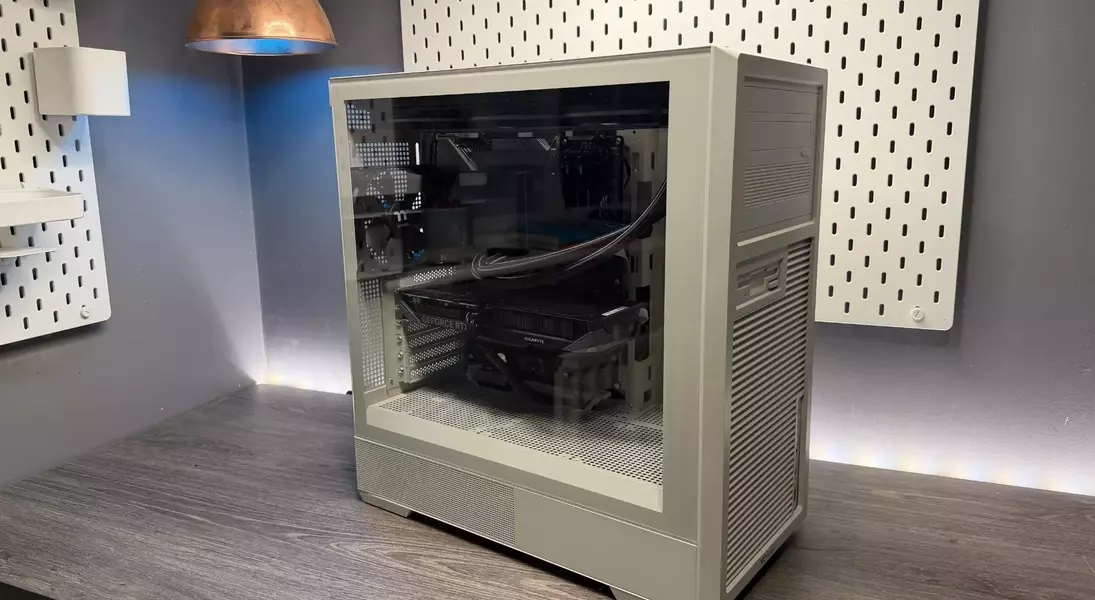
The Thermaltake Retro 360 TG PC case evokes a sense of nostalgia with its distinctive beige aesthetics and tempered glass side panel, aiming to bring back the classic computing vibe of the late 80s and early 90s. Priced attractively at around $90/£92, it presents a more budget-friendly option compared to similar retro-themed cases. Despite its commendable cooling support, allowing for 360mm radiators and multiple fans, the case is hampered by several design choices that detract from its overall appeal. Issues such as restrictive front airflow due to a non-removable mesh, largely decorative and non-functional front panels, and a significant lack of modern cable management features make assembly challenging and compromise its visual integrity. While it successfully delivers a visually appealing retro look, particularly when paired with vibrant RGB lighting, its practical limitations highlight a design that struggles to seamlessly integrate vintage charm with contemporary functionality.
Detailed Examination of the Thermaltake Retro 360 TG Case
In the realm of personal computing, where aesthetics often cycle back into vogue, the Thermaltake Retro 360 TG mid-tower case emerges as a modern tribute to the beloved beige machines of yesteryear. Sporting a lightweight plastic chassis with a robust steel frame and an inviting tempered glass side panel, this case offers a nostalgic aesthetic without breaking the bank, retailing for approximately $90 or £92. This positions it as a more economical alternative to other retro-inspired offerings, such as the Silverstone FLP02.
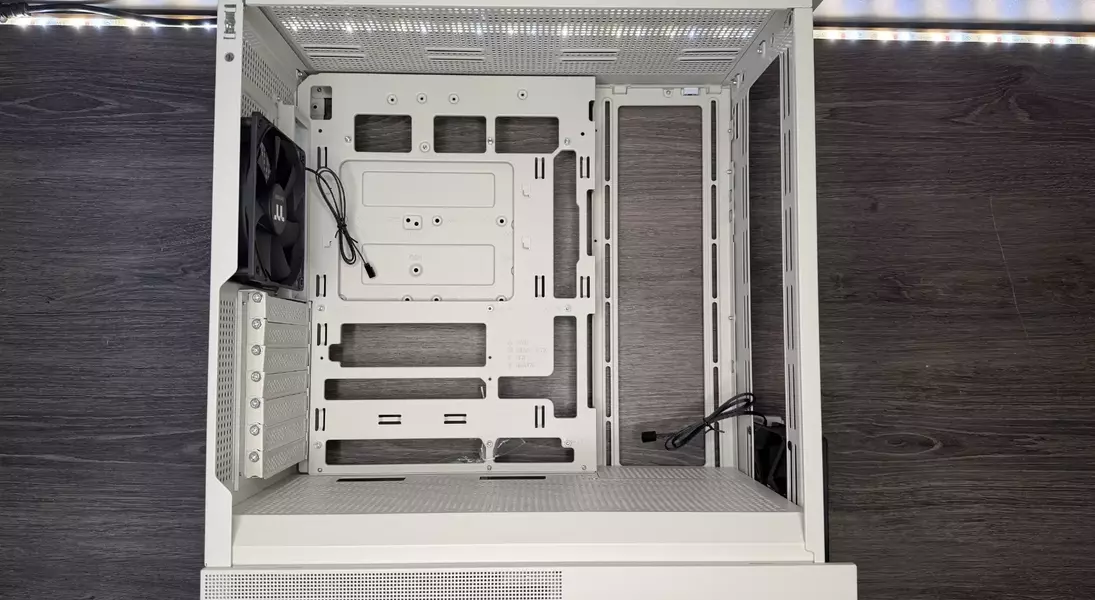
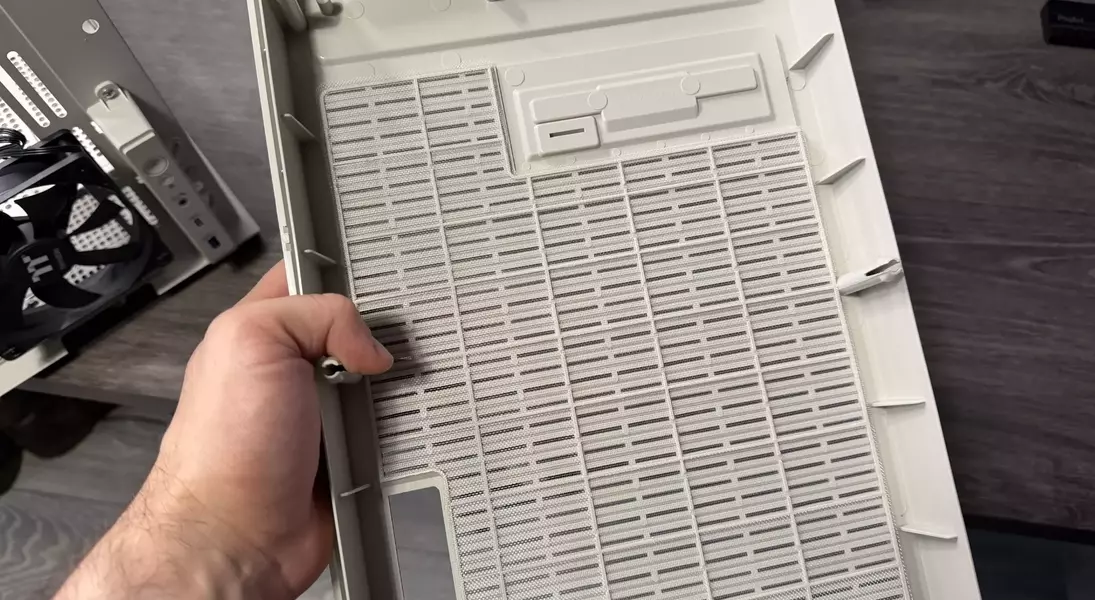
The Retro 360 TG provides substantial hardware compatibility, accommodating 360mm radiators both at the top and side, alongside provisions for six 120mm fans distributed across the front intake, PSU shroud, rear exhaust, and bottom. However, the initial two 120mm DC fans included with the case are noted for their mediocrity, failing to impress with their performance. A critical flaw lies in the front panel's design: its slatted ventilation, coupled with an irremovable glued-in mesh, severely constricts airflow, undermining efficient cooling. This design oversight stands in stark contrast to the better-ventilated side, roof, and rear sections, which include a convenient magnetic dust cover for the roof.
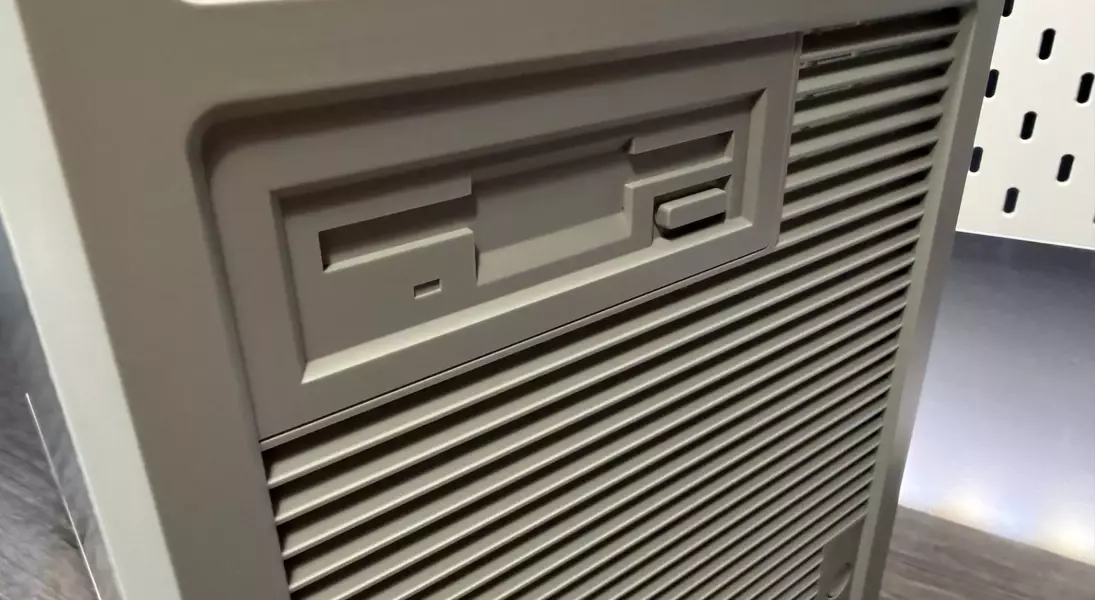
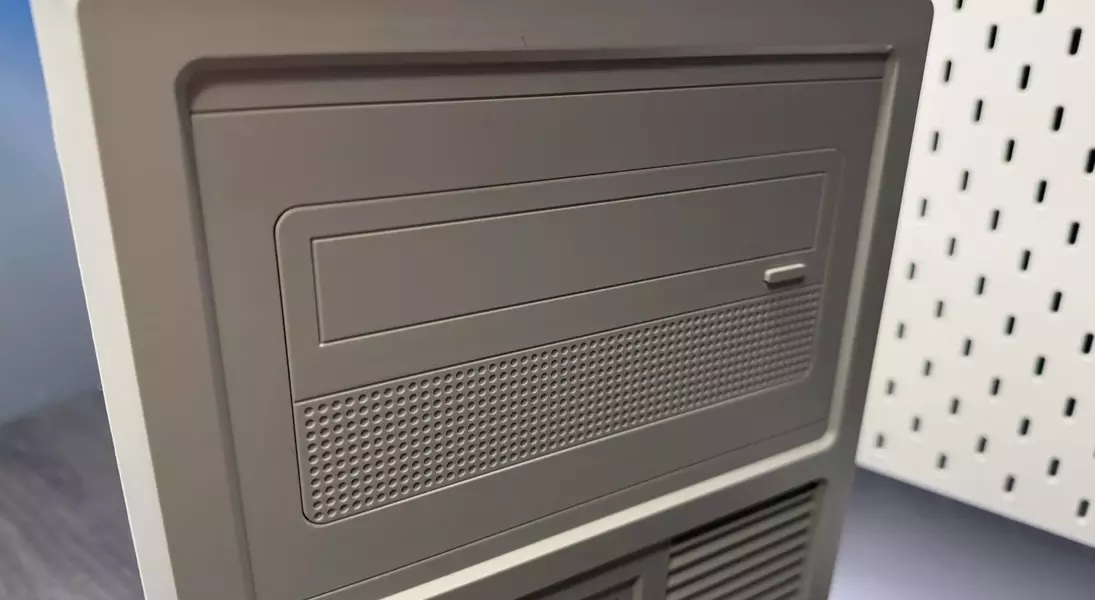
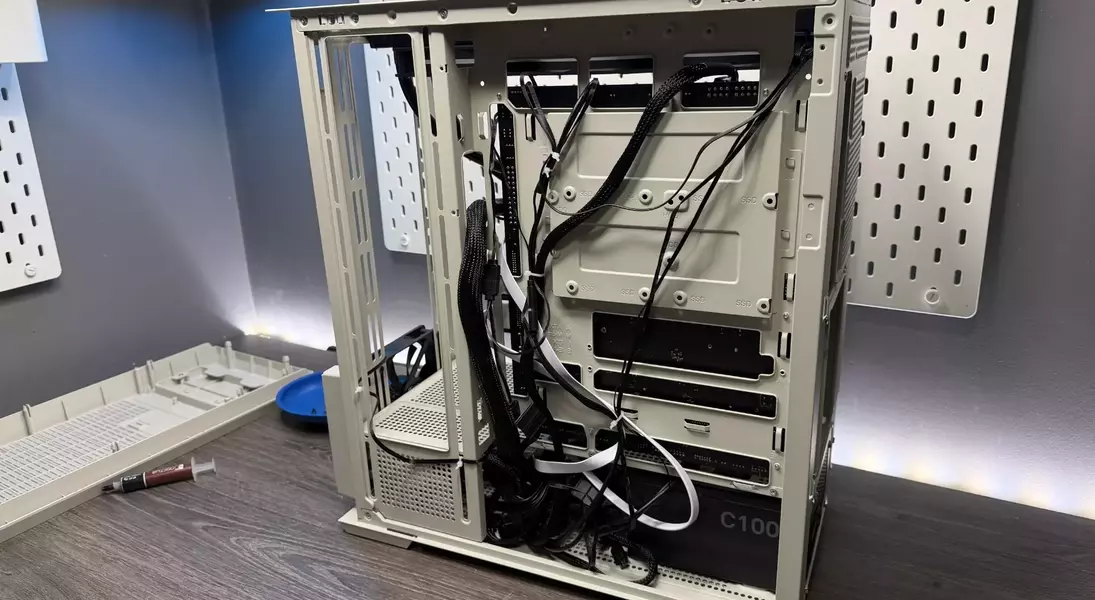
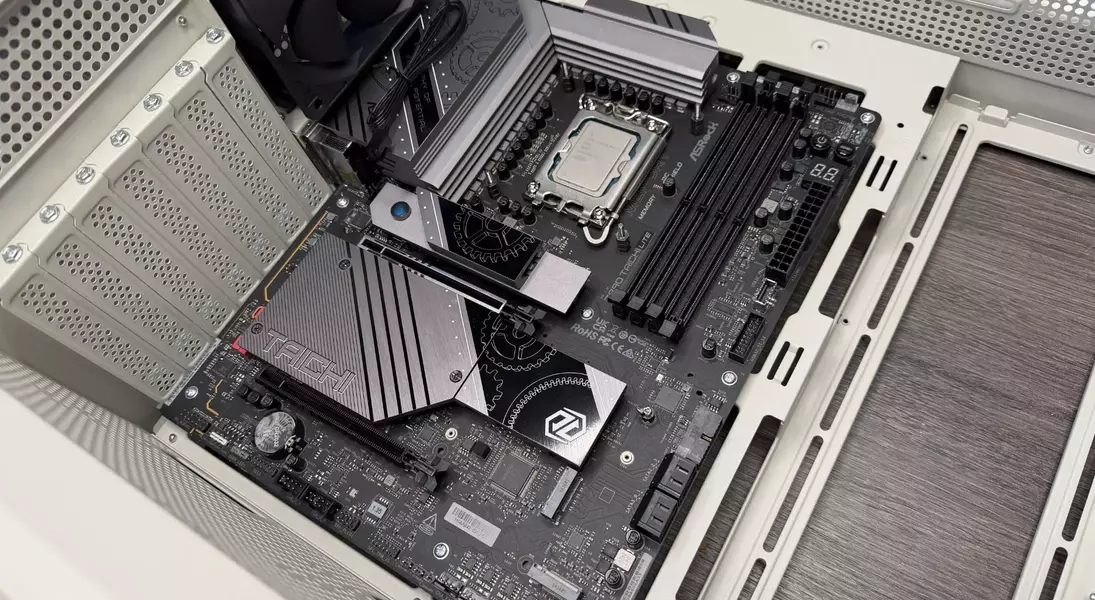
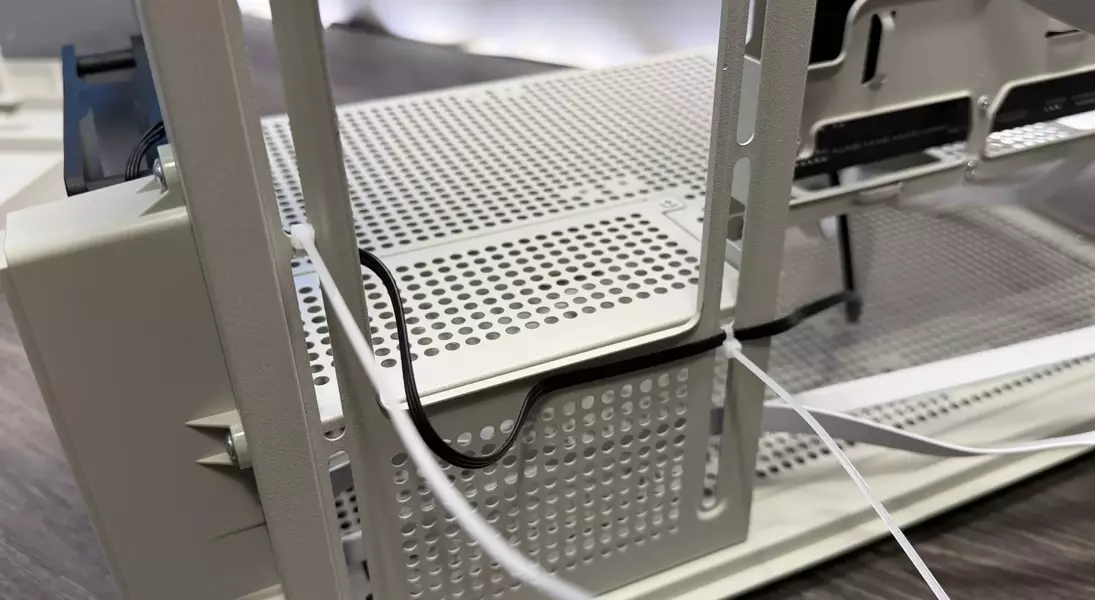
A point of contention for enthusiasts is the case's deceptive front panel. It features a removable cutout mimicking a disk drive, which can be replaced by an optional 6-inch LCD screen sold separately by Thermaltake. Below this, a non-functional, molded floppy drive adds to the retro facade but serves no practical purpose. Inside, the case offers a basic layout with a motherboard tray featuring BTF support and ample cutouts for cables, along with a well-ventilated PSU shroud. Nevertheless, the absence of cable grommets, channels, or plastic covers signifies a notable deficiency in modern cable management solutions, compelling builders to rely solely on tie-down points. The decision to use flat white front I/O cables, while aesthetically pleasing, further highlights the design's focus on superficial elements over functional cable organization.
Compared to offerings from competitors like Phanteks' XT V3 series and Corsair, which deliver superior design and features at similar or even lower price points, the Thermaltake Retro 360 TG falls short in terms of advanced features. It lacks elements such as anti-sag brackets, dedicated hard drive cages, and integrated fan controllers, relying on rudimentary accessories like basic screws and a few ties. Despite these functional compromises, the case does achieve a striking visual impact once a system is assembled, particularly with custom RGB lighting. Its ability to evoke a potent sense of retro style at an accessible price point remains its primary draw, appealing to those who prioritize aesthetics and budget over cutting-edge design and practical conveniences.
In conclusion, while the Thermaltake Retro 360 TG case offers an undeniable aesthetic charm for retro computing enthusiasts, its practical shortcomings in airflow, functional design, and cable management underscore a need for greater design refinement. It serves as a reminder that true innovation often lies in the harmonious blend of form and function, a balance this case has yet to fully achieve.
